








How Did We Get Here?
The massive shift towards direct-to-OTT (over-the-top) releases was turbocharged by the global pandemic. With cinemas shuttered, producers holding finished films faced a tough choice: wait indefinitely or sell their movies to streaming platforms. Platforms
like Netflix, Amazon Prime Video, and Disney+ Hotstar, hungry for content to keep housebound audiences engaged, were willing to pay premium prices. This created a new, powerful revenue stream for filmmakers and provided a lifeline during a period of immense uncertainty. What began as a survival tactic soon evolved into a viable financial strategy, even after theatres reopened.
The New Economics of Filmmaking
For a producer, a direct-to-OTT deal offers one huge advantage: guaranteed profit. A theatrical release is a high-stakes gamble involving massive marketing spends, distribution costs, and the unpredictable tastes of the audience. An OTT sale, by contrast, is often a single, upfront transaction that can cover a film's budget and then some, eliminating financial risk. This financial security is especially appealing for small to mid-budget films that might struggle to compete for screens against blockbuster releases. The streaming platforms, in turn, used these exclusive film premieres as major draws to acquire new subscribers in a fiercely competitive market.
A Haven for New and Niche Stories
OTT platforms have become a fertile ground for stories that might be considered too risky or unconventional for a mainstream theatrical release. Filmmakers have found creative freedom to explore complex narratives, longer running times, and niche genres without the pressure of a box office opening weekend. This has led to a surge in diverse content, especially from regional industries, which have seen their share of the OTT content pie grow dramatically. For viewers, this means access to a wider variety of films that break away from traditional formulas, from hard-hitting dramas to experimental indie projects that might never have found a national audience otherwise.
The Theatre Industry Pushes Back
The rise of direct-to-OTT releases has not been without conflict. The Multiplex Association of India (MAI) has consistently advocated for an exclusive theatrical window, arguing that it is essential for the survival of cinemas. They have established rules, particularly for Hindi films, mandating an eight-week gap between a film's theatrical debut and its streaming premiere. The association has taken a hard-line stance against producers who violate this window, sometimes resulting in legal action, as was the case with the film 'Indian 2' in 2024. Exhibitors argue that when audiences know a film will be available to stream in just a few weeks, it significantly cannibalizes box office revenue, threatening their entire business model.
A Market Correction and the Return of the Big Screen
More recently, the tide has begun to turn back towards theatres. After an initial, aggressive acquisition phase, streaming platforms have become more selective about which films they buy for direct release. The focus has shifted from a "buy everything" mentality to acquiring content that can guarantee engagement. Simultaneously, a string of massive box office successes in 2024 and 2025 reminded the industry of the immense cultural and financial power of a successful theatrical run. As a result, the number of direct-to-digital premieres has dropped significantly, with most studios now favouring a theatre-first strategy. A successful cinema run now acts as a massive marketing event that builds hype for the eventual OTT release.
What This Means for the Moviegoer
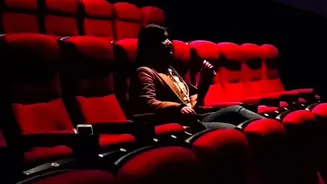
As a viewer, this evolving landscape presents both opportunities and trade-offs. The convenience of watching new movies at home is undeniable, offering more choice and value for money, especially when a single movie ticket can cost as much as a monthly subscription. However, this comes at the cost of the communal, big-screen experience that defines cinematic events. While streaming has democratized access to a wider range of films, some critics argue that direct-to-OTT films can get lost in the sea of content, lacking the cultural impact of a theatrical hit. The future is likely a hybrid model where blockbuster, event-style films prioritize the big screen, while smaller, experimental, and genre-specific movies may find a more sustainable home directly on streaming platforms.