


From Commodity to Craft
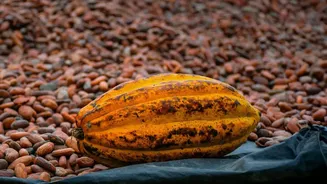
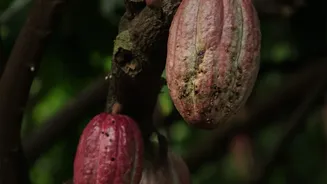
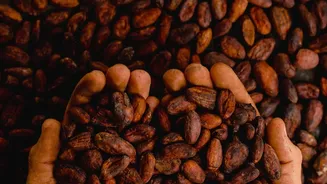
For decades, cacao cultivation in India, which began in earnest in the 1960s, was primarily about quantity, not quality. Farmers in states like Kerala, Tamil Nadu, and Andhra Pradesh grew beans largely to sell as a raw commodity to multinational corporations,
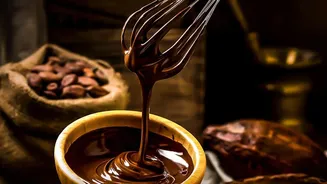
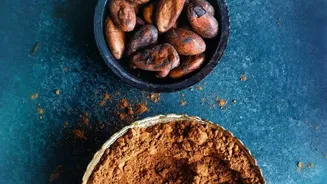
with little connection to the final product. The focus was on yield, and Indian cacao was rarely considered a player in the world of fine chocolate. But that narrative is changing. A burgeoning bean-to-bar movement is forging direct relationships between cacao estates and artisan chocolate makers, shifting the focus from simply growing beans to crafting a premium, traceable product. This model ensures farmers get better prices and recognition, while makers gain control over the quality and flavour of their most critical ingredient.
The Unique Terroir of Indian Chocolate
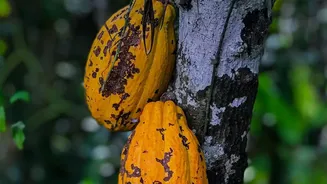
What makes South Indian cacao special? The answer lies in its terroir—the unique environment in which it grows. Unlike the vast monoculture plantations seen in other parts of the world, Indian cacao is often intercropped with other plants like coconut, areca nut, pepper, and various fruits. This biodiversity does more than just support a healthier ecosystem; it imparts subtle and complex flavours to the cacao beans. Beans from Karnataka might have nutty or spicy notes, while those from Kerala can be distinctly fruity. This practice results in chocolates with surprising flavour profiles—think hints of apricot, black pepper, or even banana—that are a direct reflection of the land.
Meet the Makers and Growers
This movement is driven by passionate individuals. Brands like Soklet, one of India's few 'tree-to-bar' makers, grow their own cacao on plantations in the Anamalai foothills, controlling the entire process from farm to finished product. Others, like Hyderabad-based Manam Chocolate, work closely with a network of farmers in the West Godavari region, focusing on post-harvest processing to bring out the best in the beans. Mason & Co, a pioneer in Auroville, sources organic beans directly from farmers across South India, with an all-women team of artisans crafting their bars. These collaborations are creating a new ecosystem where traceability and quality are paramount, with some brands even featuring QR codes that link a chocolate bar back to its specific farm and farmer.
Redefining a Luxury Experience
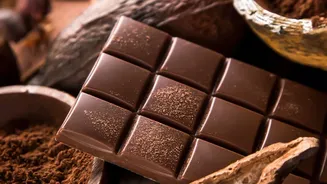
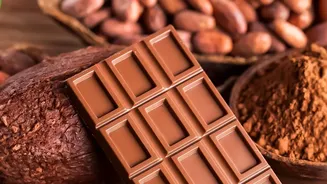
The new Indian luxury chocolate is about more than just a high price tag; it's about a rich sensory and ethical experience. Bean-to-bar makers use minimal ingredients, allowing the natural flavours of the single-origin cacao to shine through, a stark contrast to mass-market bars that often prioritize sweetness and long shelf life. The luxury is in the story—knowing the region your chocolate comes from, understanding its flavour profile, and trusting that it was produced ethically. From bars infused with distinctly Indian ingredients like jamun or masala chai to single-estate tablets that celebrate a specific harvest, these treats offer a taste of India's agricultural and culinary diversity.
The Road Ahead
Despite the growing excitement, the Indian craft chocolate market is still in its early stages. Makers face challenges, including educating consumers accustomed to the taste and price of commercial chocolates and overcoming a lingering perception that 'imported' means better. The per capita consumption of chocolate in India remains low compared to European countries, and scaling up production without compromising on the hands-on, artisanal quality is a significant hurdle. Yet, the passion is palpable. By creating a product that is both world-class in quality and unapologetically Indian in its origin, these estates and makers are not just producing treats; they are cultivating a new sense of pride.