

More Than a Festival, It’s a Feast
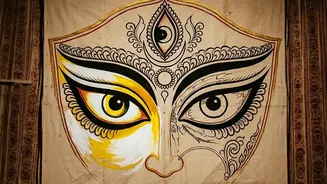
Durga Puja in Kolkata is an emotion, a city-wide celebration of art, culture, and community. While pandal-hopping and vibrant idols capture the eye, it's the food that truly fuels the festive spirit. And at the heart of this gastronomic celebration lies
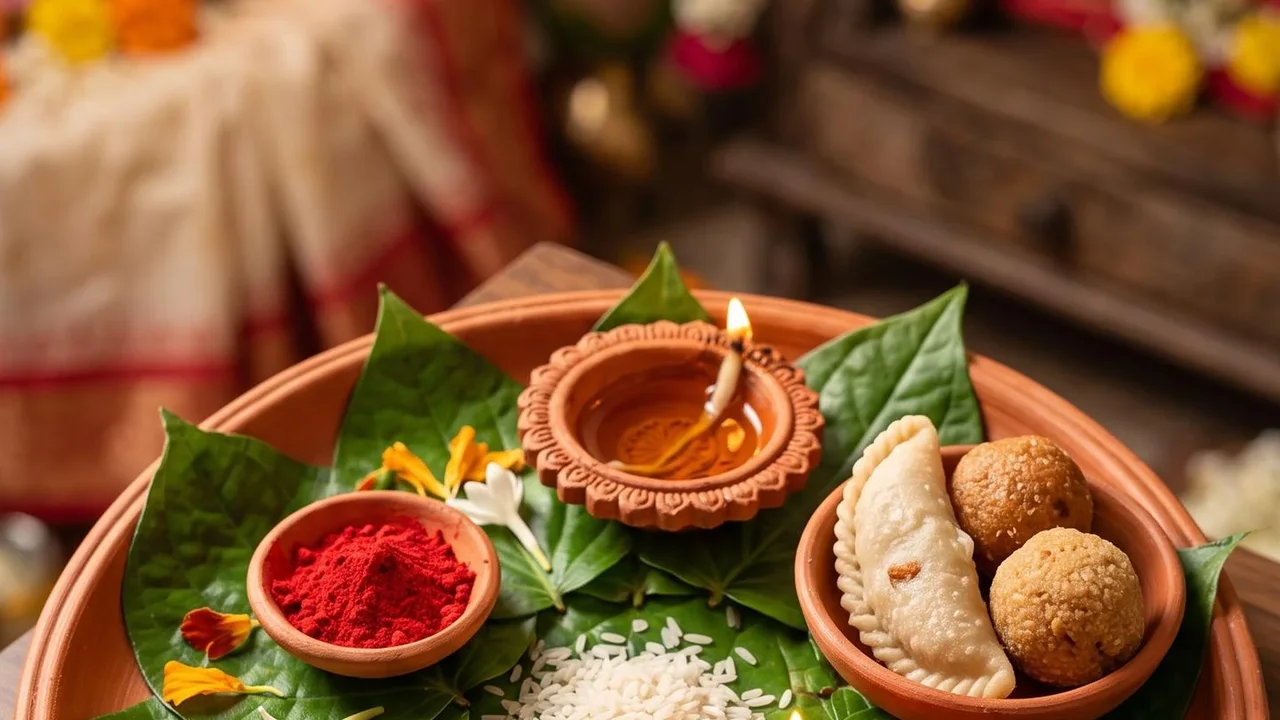
'mishti' (sweets). For Bengalis, sweets are not just dessert; they are a language of love, devotion, and hospitality. During Puja, they are offered to the Goddess as 'bhog', shared among friends and family as a symbol of togetherness, and consumed with joyous abandon. This connection between spirituality and sweetness makes the craft of sweet-making an integral part of the festival's identity.
The Soul of Bengali Sweets: Chhena and Pak
What sets Bengali sweets apart is their primary ingredient: 'chhena', a fresh, moist cottage cheese. Unlike the firmer paneer, chhena is crumbly and soft, created by curdling full-fat cow's milk and carefully draining the whey. The skill of a 'karigar' (artisan) is immediately evident in their handling of chhena. They must knead it to the perfect consistency—smooth and pliable, without being too dry or too moist. This base is then transformed through the art of 'pak', the precise science of cooking with sugar syrup. Whether it’s a light syrup for Rosogolla or a thicker concoction for Sandesh, mastering the pak is a skill passed down through generations. It’s a delicate dance of temperature and timing that machines struggle to replicate.
The Icons of the Season
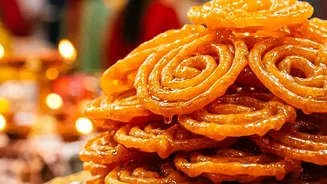
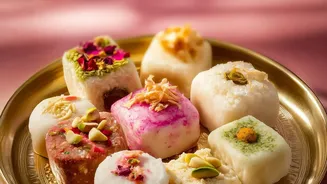
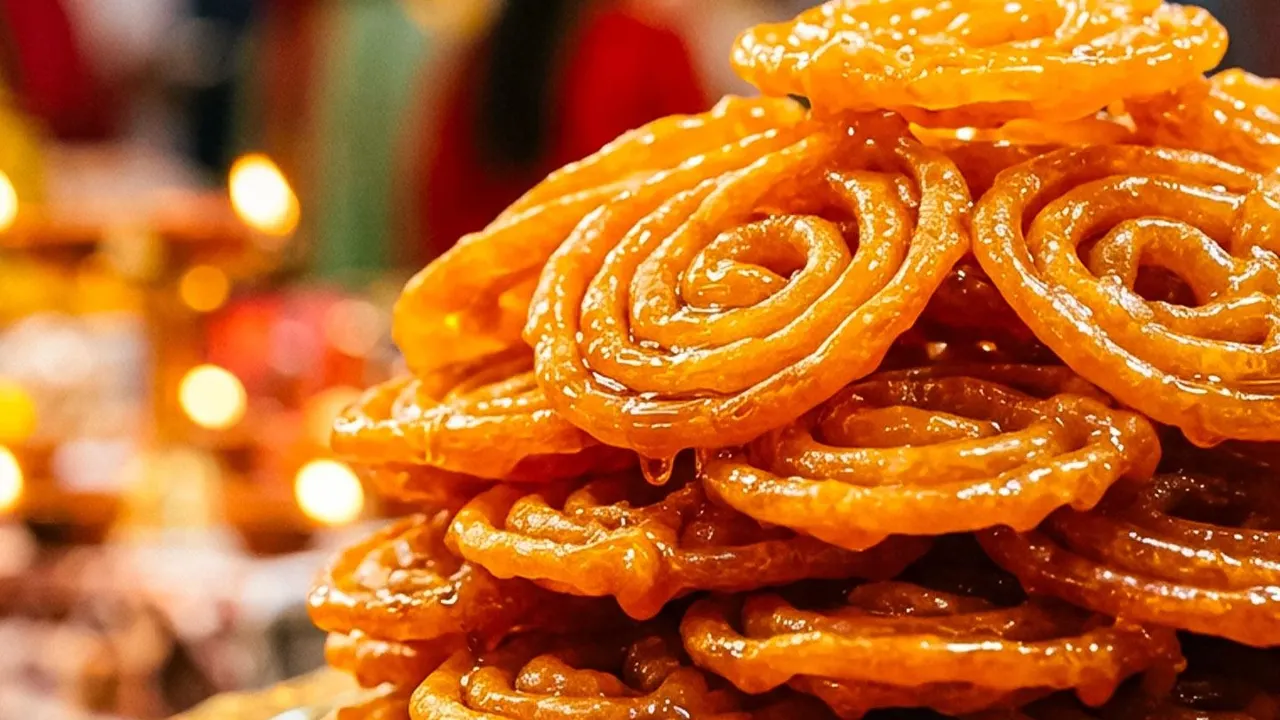
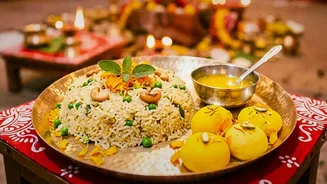
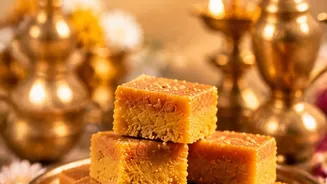
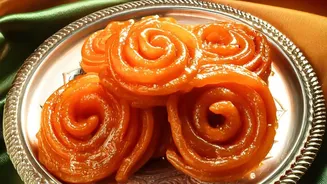
During Durga Puja, certain sweets take centre stage. The undisputed king is the Rosogolla, a spongy chhena ball soaked in light sugar syrup, often offered as pure 'prasad'. Then there is the Sandesh, a delicate, drier sweet made from chhena kneaded with sugar or Nolen Gur (date palm jaggery). Its versatility allows for endless creativity, with shops moulding them into beautiful shapes. Heritage sweets like Pantua, a cousin of the Gulab Jamun, and the layered Chanar Jilapi also see a resurgence. Beyond the shops, homes are filled with the aroma of homemade delicacies like Narkel Naru (coconut laddoos) and Chaal er Payesh (rice kheer), each carrying stories of family traditions.
Guardians of a Sweet Legacy
In an era of mass production, Kolkata’s heritage sweet shops stand as proud custodians of this craft. Establishments like Girish Chandra Dey & Nakur Chandra Nandy (founded in 1844), Nobin Chandra Das (the credited inventor of the Rosogolla), Sen Mahashay, and Adi Haridas Modak Mistanna Bhandar have been serving the city for over a century. These shops are not just businesses; they are institutions that have preserved recipes and techniques through generations of 'karigars'. Walking into one of these establishments during Puja is like stepping back in time, where the focus remains on authenticity and the 'feel' of a handmade product—a subtle imperfection that factories cannot copy.
Why Tradition Still Tastes Sweeter
While modern sweet-making machines offer consistency and efficiency, they cannot replicate the nuanced touch of a skilled artisan. The traditional method is about intuition—knowing the exact moment the chhena is ready, feeling the consistency of the sugar syrup, and making subtle adjustments based on humidity and the quality of the milk. This human element imparts a depth of flavour and a melt-in-the-mouth texture that is the hallmark of authentic Bengali mishti. The unmatched appeal also lies in nostalgia and cultural identity. For many, the taste of a traditional Sandesh or a freshly made Rosogolla is the taste of Durga Puja itself—a sweet, irreplaceable link to heritage, family, and celebration.