




The Hidden Dangers of Sitting Still
Our bodies are designed for movement. When we spend most of our day sitting, it can lead to a host of problems. Prolonged sitting slows blood flow, which can contribute to varicose veins and increase the risk of serious conditions like heart disease and type
2 diabetes. It also puts significant strain on our musculoskeletal system. Poor posture, like slouching over a keyboard, can lead to chronic pain in the lower back, neck, and shoulders. Over time, this inactivity can cause muscles in your core and legs to weaken and your hip flexors to tighten, limiting your mobility. Even your mental state is affected; movement pumps more blood and oxygen to the brain, and without it, you can experience a loss of concentration and energy.
The Simple Solution: Get Up and Move
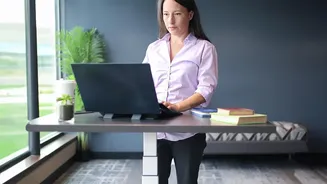
The antidote to a sedentary workday is surprisingly simple: break up long periods of sitting with short, frequent spells of standing and walking. Even small bursts of activity can have a significant impact. Standing burns more calories than sitting and engages muscles, helping to improve your posture and reduce back pain. Walking, even for a few minutes, boosts circulation, helps regulate blood sugar levels, and can improve your mood by releasing endorphins. Research shows that these micro-breaks can refresh your focus, reduce mental fatigue, and ultimately make you more productive when you return to your tasks.
How Often Should You Take a Break?
Consistency is more important than intensity. Health experts generally recommend breaking up sedentary time every 30 to 60 minutes. A popular and easy-to-remember guideline is to stand up or walk around for at least 5 to 10 minutes every hour. If that feels difficult to manage initially, even a 60-second micro-break to stand and stretch can help reduce muscle fatigue and improve blood flow. Setting a timer on your phone or computer can be a helpful reminder to get up. The goal isn't to interrupt your workflow dramatically, but to prevent your body from staying in one static position for too long.
Practical Ways to Move More at the Office
Integrating more movement into your workday doesn't have to be disruptive. There are many discreet ways to become more active. Use phone calls as a cue to stand up and pace around your workspace. Instead of sending an email to a colleague nearby, walk over to their desk. Choose the stairs instead of the lift, or use a washroom on a different floor. When you need a refill of water, take a quick lap around the office on your way to the cooler. You can also consider having 'walking meetings' for one-on-one discussions or brainstorming sessions, which can feel more relaxed and creative than sitting across a table.
Simple Stretches for Your Desk
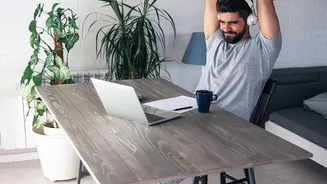
In addition to standing and walking, simple stretches can relieve tension built up from typing and sitting. To combat stiffness, try gentle neck rotations and shoulder rolls. An overhead stretch, where you interlace your fingers and push your palms toward the ceiling, can help decompress your spine. To prevent wrist strain from long hours of typing, gently stretch your wrists and fingers. Desk push-ups (placing your hands on the edge of your desk and pushing your body away) or tricep dips using your chair can also build strength without needing to leave your workstation. These small movements keep your joints flexible and your muscles engaged throughout the day.