






The Lifeline Under Pressure
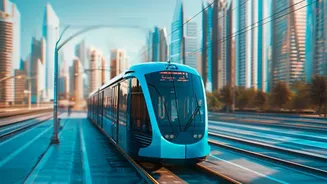
Mumbai's suburban railway is the undisputed lifeline of the metropolitan region, carrying over six million passengers every single day. With more than 3,200 services running daily, it's one of the busiest commuter networks on the planet. However, this
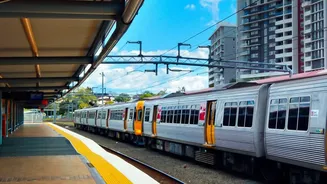
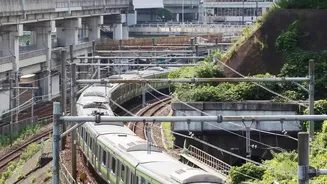
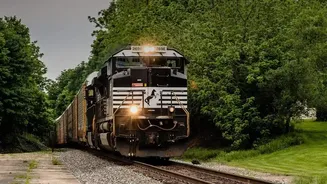
intensity comes at a cost. The system is famous for its 'super dense crush load' conditions, where 14 to 16 people can be crammed into a single square metre during peak hours. A major reason for this congestion is the shared use of tracks. Passenger locals, long-distance express trains, and slow-moving goods trains all compete for space on the same lines, creating bottlenecks and limiting the number of suburban services that can be run. This shared infrastructure means that any delay has a cascading effect, impacting punctuality and exacerbating the daily struggle for commuters.
A Separate Path for Goods
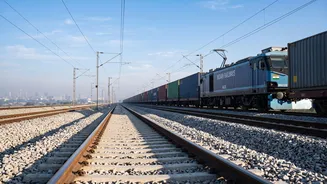
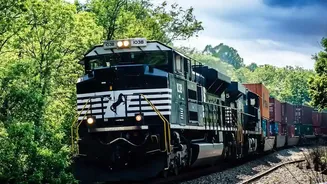
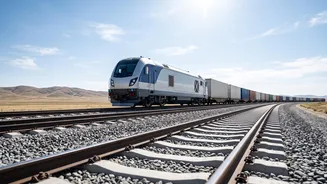
The game-changer in this equation is the Western Dedicated Freight Corridor (WDFC), a massive infrastructure project nearly two decades in the making. This 1,506-km, fully electrified, double-line track runs from Dadri near Delhi to Jawaharlal Nehru Port (JNPT) in Navi Mumbai. Its purpose is simple but transformative: to create a separate, exclusive highway for goods trains. The entire corridor officially became operational on September 8, 2026, after the final sections connecting to JNPT were inaugurated. By moving the heavy, slower freight traffic off the existing passenger network, the DFC project was designed to decongest India's busiest rail routes. For Mumbai, this means dozens of goods trains that previously clogged suburban lines will now run on their own dedicated tracks.
How Decongestion Creates Capacity
The core benefit for Mumbai's commuters lies in the newly available track capacity. With freight trains diverted to the WDFC, the existing lines that crisscross the suburban network are freed up for passenger use. This opens the door for Indian Railways to significantly increase the frequency of local train services. The removal of goods trains not only creates space for more services but also improves the punctuality and speed of existing ones, as they will no longer be held up waiting for freight to pass. This operational freedom is a critical step towards easing the city's notorious overcrowding. The completion of the DFC allows railway planners to reimagine scheduling, focusing solely on the needs of the millions of daily commuters rather than balancing them with the demands of freight logistics.
More Trains, Faster Journeys
The tangible outcome of this newfound capacity is expected to be more trains and a better travel experience. Railway authorities are already planning for a major expansion under the Mumbai Urban Transport Project (MUTP), which includes adding new lines, extending platforms for longer 15-car trains, and introducing hundreds of new air-conditioned rakes. A fleet of 238 new AC local trains is slated for introduction by 2030, with the first units arriving in 2027. This synchronised push in both infrastructure and rolling stock is aimed at raising the number of daily services from around 3,200 to a target of 3,500 by 2030. For the average passenger, this translates into reduced waiting times, less crowding, and more reliable journeys. The quadrupling of lines on busy sections like Virar-Dahanu is a direct result of this strategy, aiming to multiply the number of local trains that can operate.