



The Foundation: To Soak or Not to Soak?
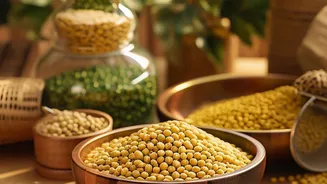
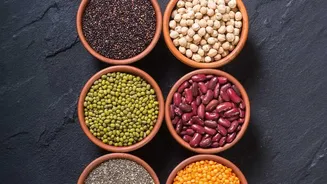
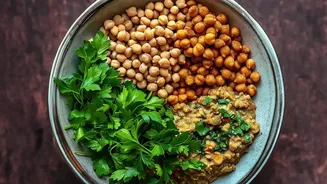
The first crucial step for many legumes, especially larger ones like chickpeas (chana) and certain dals like toor and rajma, is soaking. This isn't just about reducing cooking time. Soaking rehydrates the dried beans, which ensures they cook more evenly.
More importantly, it helps break down complex sugars that can cause digestive issues and reduces compounds like phytates, which can interfere with nutrient absorption. For chickpeas, an overnight soak is key to achieving that tender, melt-in-your-mouth interior without the exterior skin becoming tough. Some home cooks even add a pinch of baking soda or tea bags to the soaking water for chole, a trick that helps soften the chickpeas and can lend them a desirable darker hue. For smaller lentils like masoor or moong dal, a long soak isn't as critical, but a good rinse is always necessary.
The Main Event: Pressure vs. Patience
How you cook your legumes is perhaps the biggest factor influencing texture. The pressure cooker is a staple in Indian kitchens for a reason: it's fast and efficient. For most dals, pressure cooking breaks down the lentils into a wonderfully creamy, homogenous consistency. The high, even heat ensures everything cooks through quickly. However, there’s a strong case for slow-cooking on the stovetop. This gentle, prolonged simmering allows flavours to develop more deeply and can result in a different texture. For chole, where the goal is to have tender chickpeas that still hold their shape, a pressure cooker is ideal, but the release method matters. A natural pressure release, which allows the cooker to cool down on its own, continues to cook the chickpeas gently in the residual steam, keeping them tender and preventing the skins from tightening up. A quick release can sometimes result in tougher chickpeas.
Creating Creaminess and Body
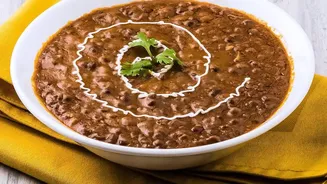
The secret to a dal or chole gravy that isn't watery is creating body. One of the most effective techniques is to lightly mash some of the cooked legumes against the side of the pot with a spoon or ladle. This simple action releases starches, which naturally thicken the gravy, giving it a richer, more integrated texture. Some recipes even suggest blending a small portion of the cooked dal or chole and adding it back into the pot for an extra creamy finish. This method allows you to have a thick, luscious base while still retaining the texture of the whole, unmashed legumes. For dal makhani, the creaminess is famously enhanced by adding butter and cream, but this mashing technique is a foundational step for almost any lentil dish.
The Final Flourish: The Magic of Tadka
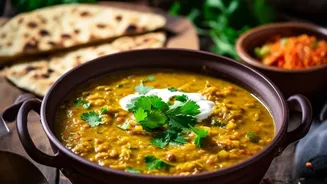
No discussion of dal is complete without mentioning the tadka, also known as chaunk or tempering. This is far more than just a flavouring step; it’s a textural and aromatic explosion. Tadka is the process of blooming whole and ground spices in hot ghee or oil until they sizzle and release their essential oils. Most of the flavour compounds in spices are fat-soluble, not water-soluble. Simply boiling spices with the lentils won't unlock their full potential. By frying them in fat and pouring the infused mixture over the cooked dal, the flavours are carried into every spoonful. This final step not only introduces a massive flavour boost but also adds a layer of richness to the mouthfeel, transforming a simple pot of boiled lentils into a complex and satisfying dish. It’s the essential finishing touch that defines restaurant-quality dal.