



The Protein Bar: Convenience or Candy?
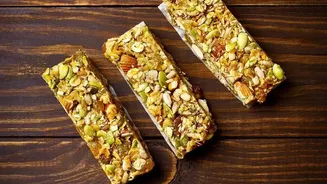
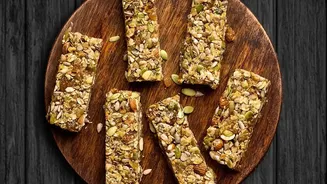
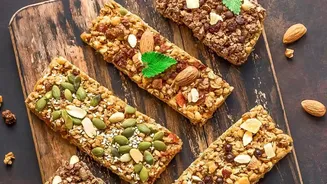
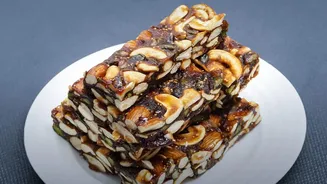
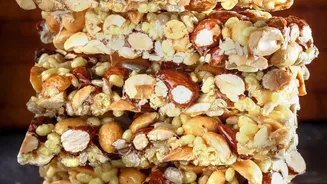
Protein bars are the ultimate grab-and-go snack, promising to fuel workouts and curb hunger. While many deliver a significant protein punch, often 15-20 grams per bar, they can also be a sneaky source of sugar, unhealthy fats, and artificial ingredients.
Many are highly processed, with ingredient lists that read like a chemistry experiment. The key is to look past the flashy marketing on the front. Flip the bar over and scan the nutrition label for added sugars; aim for a bar with single-digit grams of sugar. Check the ingredient list—if sugar or various syrups appear in the first few ingredients, it’s more of a candy bar than a health food. Also, look for at least 3-5 grams of fibre to ensure it keeps you feeling full. The protein source matters, too; whole food sources like nuts and seeds or high-quality isolates like whey are preferable to complex chemical blends.
Nuts: Nature's Nutrient-Dense Powerhouse
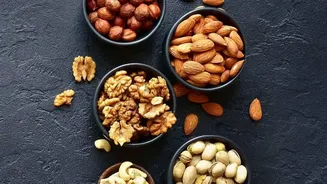
Nuts like almonds, walnuts, and cashews are celebrated for their healthy unsaturated fats, fibre, and protein. A small handful is a fantastic source of sustained energy and micronutrients like vitamin E and magnesium. However, their calorie density is their biggest watch-out; a standard 30-gram serving can contain 180-225 calories. When reading the label, the first thing to check is the preparation method. Opt for 'raw' or 'dry-roasted' nuts over those fried in oil. Secondly, check the sodium content. Salted nuts can contain surprisingly high amounts of sodium, which may impact blood pressure. While some research suggests lightly salted nuts don't negate their heart-healthy benefits, it's best to choose unsalted or low-sodium options whenever possible. Finally, ignore the 'net carbs' marketing and focus on the total nutritional profile and simple ingredient list.
Makhana: The Light and Crunchy Favourite
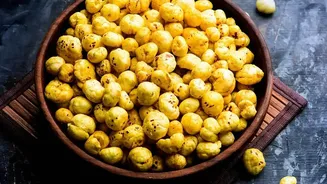
Makhana, or fox nuts, have gained immense popularity as a low-calorie, high-fibre snack. A large bowl of roasted makhana can be a satisfyingly crunchy snack for under 100 calories, making it ideal for weight management. Per 100 grams, makhana is significantly lower in calories and fat than nuts, although it also offers less protein. Its main strength lies in its volume—you can eat more of it without a heavy calorie cost. When buying packaged makhana, the label is crucial. Many flavoured varieties are either fried or roasted with excessive oil and loaded with sodium. Look for versions that are clearly 'roasted', not 'fried'. Check the ingredient list for the type of oil used and the amount of sodium per serving. The best choice is often plain roasted makhana, which you can then season yourself at home with spices like turmeric or chaat masala.
The Verdict: Which Snack Wins?
There is no single 'best' snack; the right choice depends entirely on your goal. If you need a quick, high-protein fix after a workout and can find a low-sugar option, a protein bar might be suitable. If you need a nutrient-dense snack to keep you full for hours and aren't concerned about calories, a small portion of nuts is an excellent choice. If you're craving a large, crunchy, low-calorie snack to enjoy while watching a movie, makhana is the clear winner. Protein bars offer convenience but often come with processing and additives. Nuts are a whole-food powerhouse but require portion control. Makhana is light and satisfying but lower in protein. Ultimately, being able to read and understand the nutrition label empowers you to choose the right snack for the right occasion, ensuring your snacking habits align with your health goals.