
The Shifting Sales Figures
The numbers from August 2026 mark a historic shift. According to data from the Federation of Automobile Dealers Associations (FADA), the combined retail sales of CNG, hybrid, and electric passenger vehicles reached 41.95%, narrowly edging past petrol
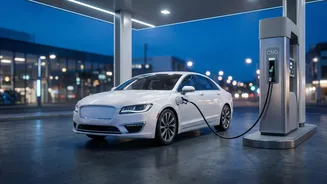
cars, which stood at 40.85%. This is a dramatic change from just a year prior when petrol cars comfortably led the market. The undisputed leader within the alternative fuel pack was CNG, which alone commanded a record-high 25% share of sales. Electric vehicles accounted for 7.7%, and hybrids made up the rest. This wasn't just a niche trend; it occurred during a month that saw the highest-ever August retail sales for the auto industry, with over 2.4 million vehicles sold in total.
The Economics of Running Costs
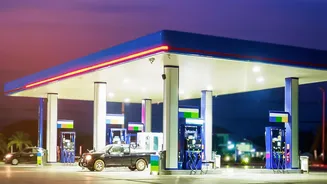
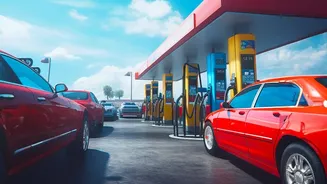
A major force behind this change is simple household economics. The significant price difference between petrol and alternative fuels makes a compelling case for buyers. As of September 2026, petrol in Delhi hovered around ₹102 per litre, while CNG was closer to ₹87 per kilogram. When translated to running costs, the difference is stark. For a typical mid-size car, the per-kilometre cost on petrol is estimated to be around ₹6.4, whereas for CNG it drops to about ₹3.4. For electric vehicles charged at home, the cost can be as low as ₹1.3 per kilometre. For high-mileage users, especially in cities, these savings can offset the higher initial purchase price of a CNG or EV model in just a few years, making the switch a financially logical decision.
A Flood of New Models
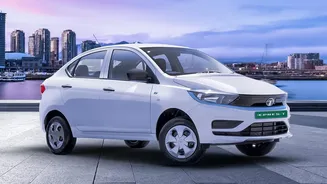
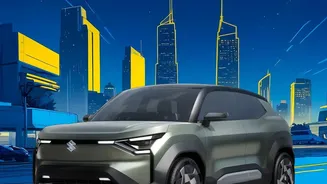
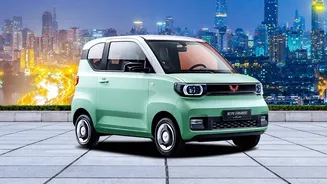
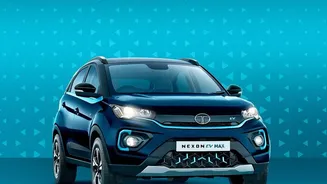
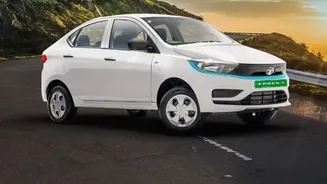
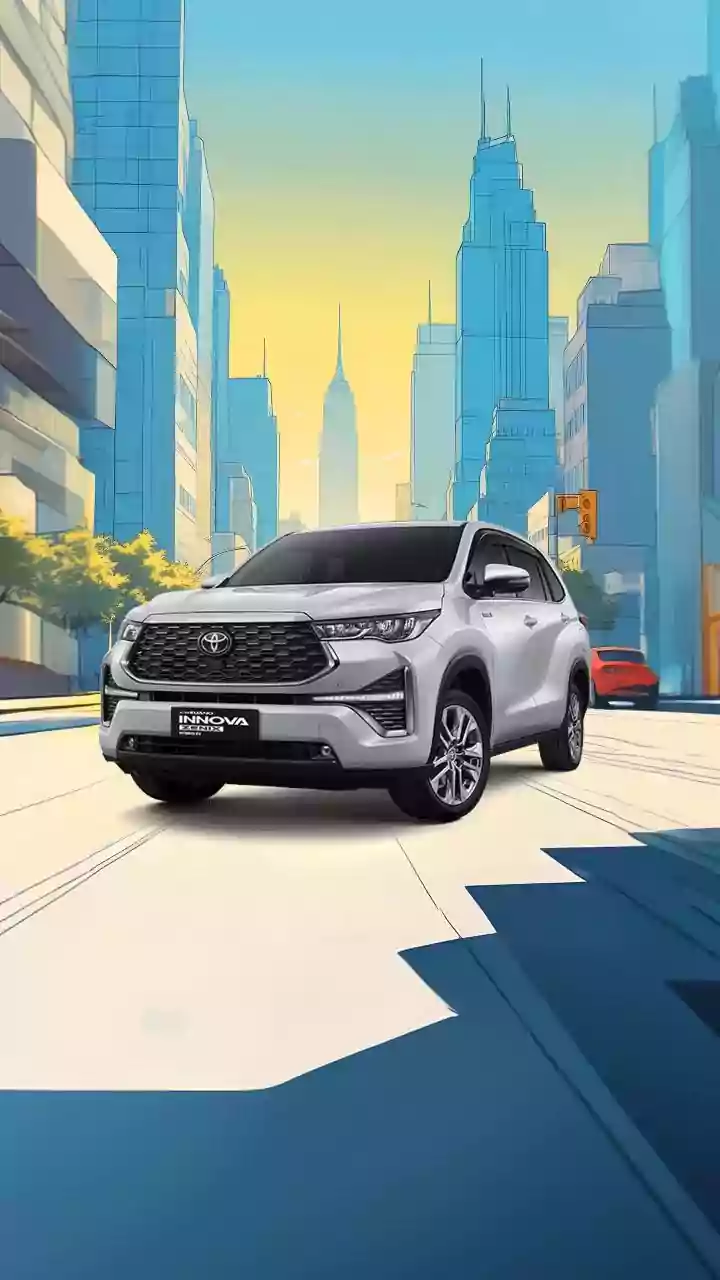
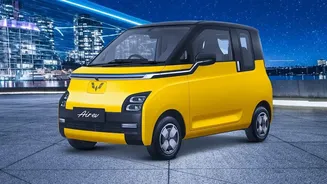
Indian car buyers have never had more choice when it comes to alternative fuels. Manufacturers have aggressively expanded their portfolios beyond just petrol and diesel. Maruti Suzuki and Hyundai, for instance, have pushed CNG variants across their popular models, from hatchbacks to SUVs. Tata Motors has also found success with its twin-cylinder technology in cars like the Punch and Altroz, which preserves boot space—a traditional drawback of CNG vehicles. In the hybrid space, Toyota and Maruti Suzuki lead the charge with strong-hybrid models like the Grand Vitara and Hyryder, offering impressive fuel efficiency without the range anxiety of pure EVs. Meanwhile, Tata Motors continues to dominate the EV segment, but competitors like Mahindra and even Maruti Suzuki are now entering the fray.
Government Policy and Consumer Mindset
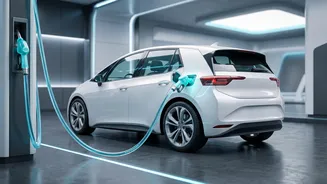
Government incentives have played a crucial role in tilting the scales. While direct subsidies for private electric cars under central schemes like PM E-DRIVE are limited, buyers benefit from a significantly lower 5% GST rate compared to the 28% or more on petrol cars. Furthermore, many states offer their own subsidies and waive road tax and registration fees for EVs, providing substantial upfront savings. There's also a psychological element at play. Some industry reports suggest that consumer uncertainty around the government's push for E20 (20% ethanol-blended) petrol may have encouraged some buyers to opt for CNG or other alternatives instead. As charging infrastructure slowly improves, with over 67,000 public chargers installed by August 2026, concerns like range anxiety are gradually diminishing, making EVs a more practical option for a growing number of urban consumers.