
A Flavour Revolution on Your Plate
For years, mainstream Indian restaurant food has revolved around a familiar cast of characters. But that is changing. A culinary shift is underway, driven by a growing appetite for authentic, regional flavours. Today, ingredients once confined to homes
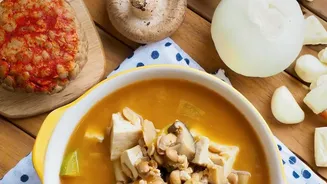
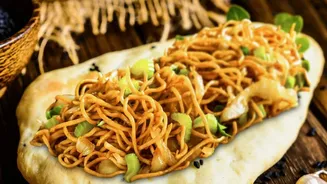
and local markets in Nagaland, Manipur, and Assam are appearing in trendy urban eateries. Chefs are now looking towards the country's rich biodiversity for inspiration. Think Bhut Jolokia-spiced sauces on burgers, fermented soybean paste adding depth to noodle bowls, and sour bamboo shoot pickles elevating fusion tacos. This isn't just a fleeting trend; it's a rediscovery of India's vast culinary heritage.
Bhut Jolokia: More Than Just a Dare
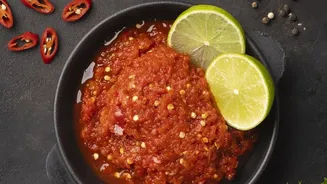
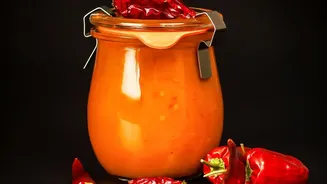
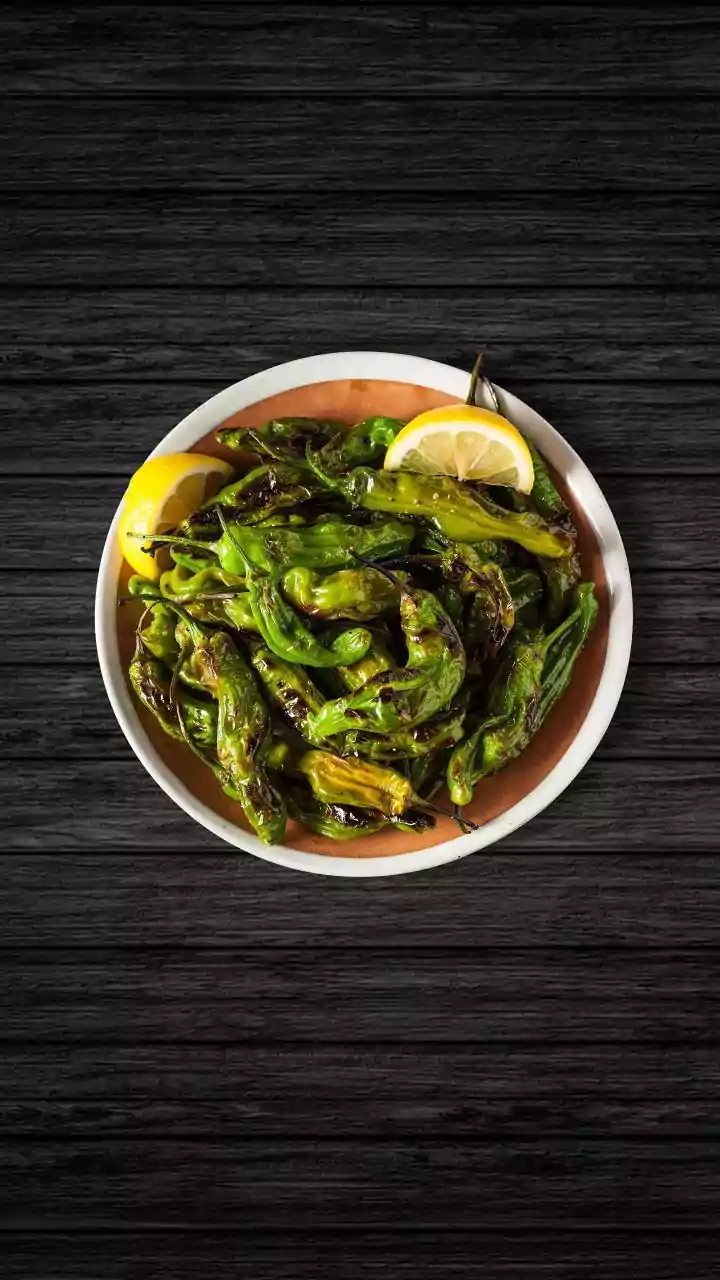
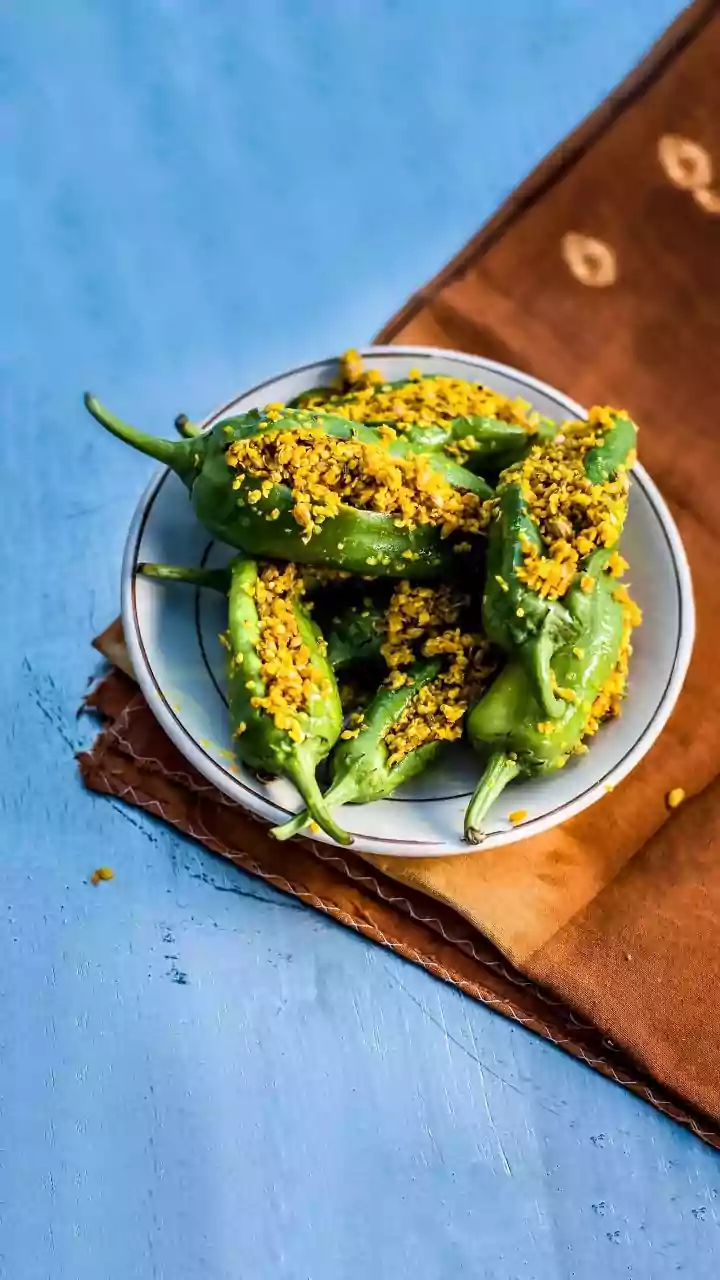
The Bhut Jolokia, or ghost pepper, once held the title of the world's hottest chilli. Its intense heat became the stuff of viral internet challenges. But in modern Indian kitchens, chefs are looking past the burn to appreciate its unique, fruity flavour. Instead of using it for pure shock value, they are incorporating it thoughtfully to add a complex, smoky heat that complements other ingredients. A touch of Bhut Jolokia can provide a lingering warmth to a mayonnaise, a vibrant kick to a chutney, or a deep flavour note in a slow-cooked meat dish, proving that this potent pepper has a subtle side.
The Magic of Fermentation
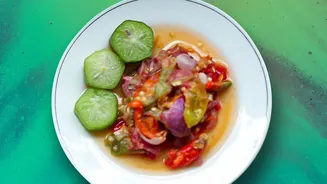
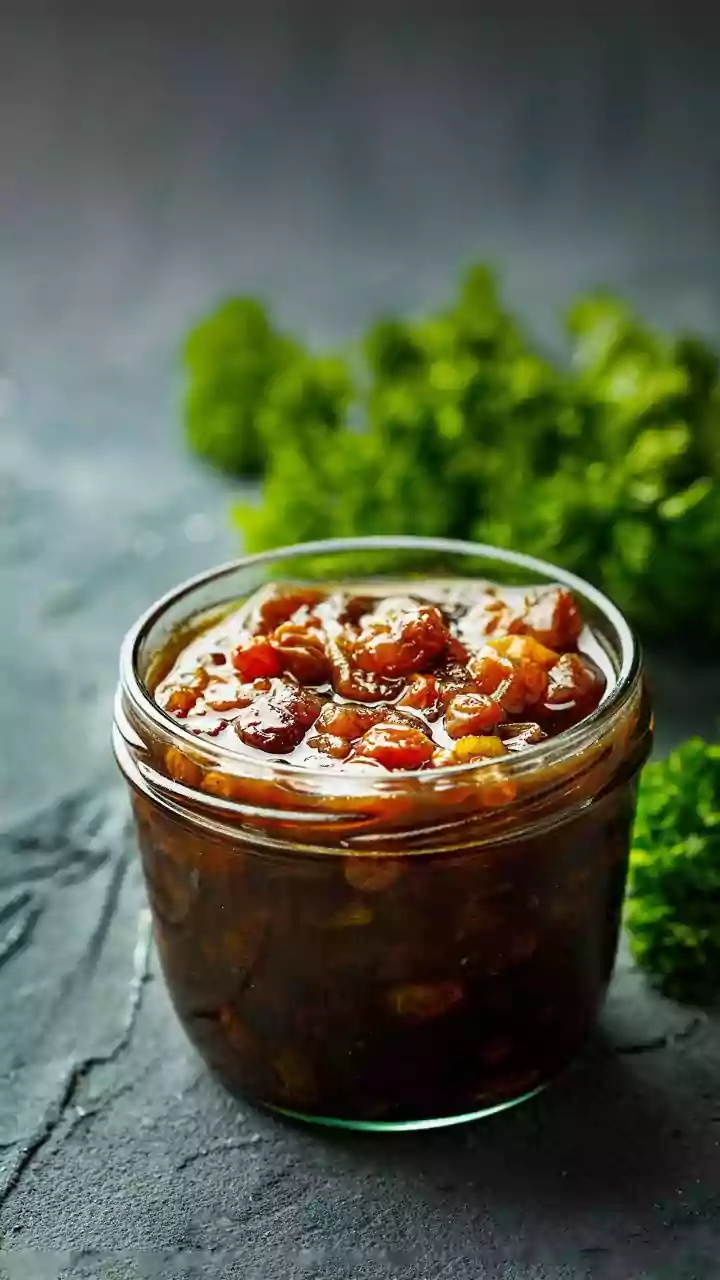
Perhaps even more transformative is the introduction of fermented condiments from the Northeast. Ingredients like Axone (also called Akhuni) from Nagaland, a pungent fermented soybean product, are making their mark. Axone is known for its powerful, savoury, and deeply aromatic qualities, often described as possessing a strong umami or 'meaty' taste. Similarly, fermented bamboo shoots like Khorisa from Assam and Soibum from Manipur offer a characteristic sour and pungent profile. For generations, these ingredients have been central to tribal cuisines, used to add complexity to curries, stews, and chutneys. In urban cafes, they now serve as powerful, natural flavour enhancers, adding a depth that can't be replicated.
A Story of Culture and Identity
The rise of these ingredients is about more than just new tastes. It signifies a broader cultural appreciation and a move towards more inclusive representation in the food world. For years, the pungent smells and bold flavours of Northeast cuisine were often misunderstood or dismissed by outsiders. Their appearance on mainstream menus marks a moment of validation, celebrating the culinary traditions of communities that have long been underrepresented. Chefs and entrepreneurs from the region are leading this charge, using pop-ups and innovative restaurant concepts to introduce these flavours to a wider audience, often with modern twists that make them more accessible.
Why This Trend Has Staying Power
Several factors are fueling this movement. Urban Indian diners have become more adventurous, actively seeking new and authentic food experiences beyond the standard offerings. The influence of social media food bloggers and travel creators has also played a huge role, introducing audiences to the hidden culinary gems of the Northeast. Furthermore, there is a growing chef-led movement focused on hyperlocal sourcing and celebrating India's indigenous ingredients. This isn't about importing exotic trends, but about looking inward and finding inspiration in our own backyard. This focus on local identity suggests the trend is not just a fad, but a fundamental evolution in modern Indian food.