




What is a Negative Eccentric Squat?
Every lift has two main parts: the concentric phase, where the muscle shortens (like standing up from a squat), and the eccentric phase, where the muscle lengthens under load (like lowering yourself down into the squat). [22] A negative or eccentric squat simply
puts the focus on that second part. [1] Instead of quickly dropping into the squat, you intentionally slow down the descent, often taking three to five seconds to reach the bottom of the movement. [2, 7] The idea is to fight gravity on the way down, maximizing the time your muscles are working under tension before powering back up at a normal speed.
The Science of Going Slow
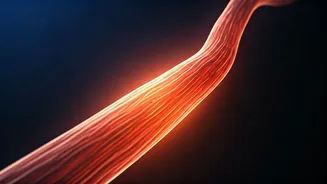
So why does this slow-motion descent work so well? It comes down to muscle physiology. Your muscles are actually significantly stronger and can handle more weight during the eccentric (lengthening) phase than the concentric (shortening) phase. [14, 23] By deliberately extending this phase, you create greater mechanical tension and microscopic damage in the muscle fibers. [2] This 'damage' sounds bad, but it's the essential stimulus that signals your body to repair the fibers and build them back stronger and bigger, a process known as hypertrophy. [6] Studies have shown that eccentric-focused training can lead to superior gains in both muscle size and strength compared to training that only emphasizes the lifting phase. [8]
Why Fitness Pros Are Buzzing About It
While the principle of eccentric training isn't new, it's gaining traction as an effective tool for breaking through frustrating strength plateaus and enhancing overall athletic performance. [12, 15] For trainers and 'gym creators,' it offers a way to increase workout intensity and effectiveness without necessarily needing heavier weights. This makes it a versatile technique that can be adapted for everyone, from beginners using just their body weight to advanced lifters looking for a new challenge. [5, 11] Furthermore, strengthening muscles during their lengthening phase has been shown to be highly effective for injury prevention, as it builds more resilient muscles and tendons that are better prepared to absorb shock and control deceleration. [17, 18, 20]
How to Perform It Correctly
You can apply this principle to any squat variation you're already doing, including bodyweight squats, goblet squats, or barbell squats. To start, stand with your feet shoulder-width apart. Begin the squat, focusing on a slow and controlled descent that lasts for a count of three to five seconds. Keep your chest up and your core engaged throughout. Once you reach the bottom of your squat, pause for a second, and then drive back up to the starting position at your normal, more explosive pace. [7] For beginners, it can be helpful to practice by slowly lowering yourself onto a box or chair to master the control before progressing. [5]
Benefits and What to Watch For
The primary benefits are clear: increased lower body strength, enhanced muscle growth, and improved joint and tendon resilience. [18, 20] However, this technique is potent and comes with a significant side effect: delayed-onset muscle soreness, or DOMS. Because eccentric contractions cause more micro-damage to muscle fibers, you can expect to feel more sore than usual 24 to 48 hours after your workout. [23] This is a normal part of the adaptation process. It's also critical to maintain proper form and avoid letting your knees collapse inward as you lower, a common mistake that can lead to injury. [12] Start with a lighter weight than you would typically use, or even just your bodyweight, to ensure your form is perfect before you increase the load. [11]