





Beyond the Metros: The New E-Commerce Engine
For years, India's e-commerce story was centered around the big metros. However, the narrative is changing, and fast. The real growth engine is now firing in what are known as Tier 2 and Tier 3 cities—places like Lucknow, Coimbatore, Indore, and Jaipur.
These smaller urban centers and towns are now responsible for the majority of new e-commerce growth, with some reports indicating they drive over 60% of all online orders. During the peak festive season, this skew becomes even more pronounced. In 2025, Tier 2 and Tier 3 cities combined drove nearly two-thirds of all festive orders. This surge isn't just a temporary spike; it’s a fundamental redistribution of India's digital economy, powered by affordable smartphones, widespread internet access, and growing consumer aspirations.
The Festive Rush as a Catalyst
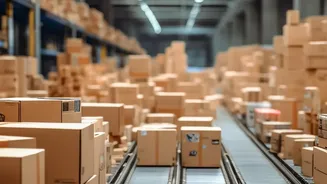
The annual festive season, with events like Diwali, acts as a massive stress test for the country’s logistics networks. In 2026, overall e-commerce order volumes have surged, with a significant 31% year-on-year increase during the first week of sales alone. To meet this demand and the expectation of express deliveries, companies can no longer rely on a centralized, metro-focused model. Sending a package from a warehouse in a major city like Mumbai or Delhi to a smaller town creates delays and increases costs. The solution is to move the inventory closer to the customer. By establishing warehouses and fulfillment centers in these smaller cities, companies like Amazon and Flipkart, along with logistics specialists, can drastically cut down delivery times, improve service reliability, and manage the massive influx of orders more efficiently.
Big Players, Bigger Investments
Recognizing this shift, major players are pouring significant capital into building a decentralized logistics network. Amazon, for example, announced a major expansion ahead of the festive season, adding dozens of new fulfillment centers, sorting stations, and last-mile delivery hubs, with a clear focus on Tier 2 and Tier 3 cities like Raipur and Ranchi. This move brings inventory closer to millions of new customers. It's a strategy being mirrored across the industry, with the Indian e-commerce logistics market projected to grow from USD 7.25 billion in 2026 to over USD 11 billion by 2031. These investments aren't just in physical buildings but also in technology like AI-driven route optimization and automated sorting to handle the complexity of serving a geographically dispersed customer base.
More Than Just Faster Parcels
The expansion of warehousing operations has a profound economic impact that extends far beyond faster delivery times. It's a powerful engine for local job creation. The logistics sector is already one of India's largest employers, and this expansion is creating tens of thousands of seasonal and permanent jobs in warehousing, sorting, and last-mile delivery in smaller cities. For the festive season alone, Amazon announced 160,000 seasonal roles across its network, with a large number in Tier 2 and 3 locations. This trend fosters regional economic development, empowers local entrepreneurs who can now sell their products nationwide more easily, and boosts local economies by injecting capital and creating a new ecosystem of supporting services.
Navigating the Challenges Ahead
Despite the explosive growth, expanding into India's heartland is not without its challenges. Companies often face inconsistent infrastructure, a shortage of Grade-A warehousing space, and the need to train a workforce for modern logistics operations. Navigating complex local regulations and ensuring uniform service quality across thousands of new pin codes are significant operational hurdles. Furthermore, last-mile delivery in these regions can be complicated by issues like poor road connectivity and informal addressing systems, requiring innovative solutions like hyperlocal delivery partnerships and advanced GPS tracking to ensure packages reach their destination reliably.