




The Grains That Time Forgot
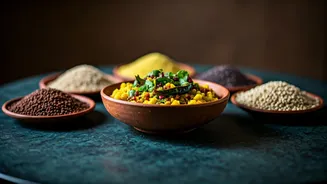
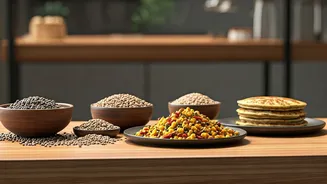
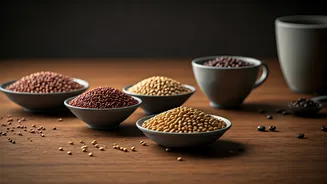
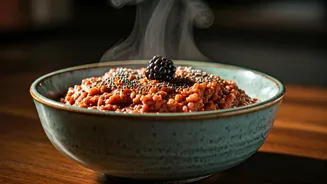
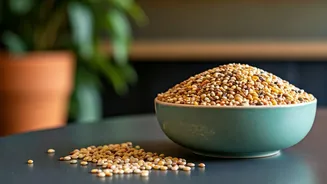
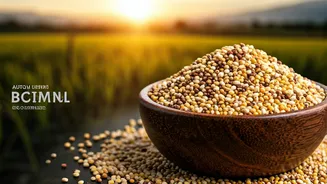
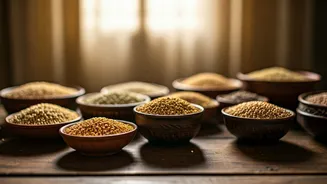
For generations, breakfast in many parts of India was synonymous with millets. Grains like jowar (sorghum), bajra (pearl millet), and ragi (finger millet) were the backbone of the morning meal. [6] Cooked as porridges, flatbreads (bhakri), or savory pancakes,
they provided sustained energy for a nation of farmers and laborers. [11] These grains were cherished not just for their resilience in harsh climates but for their dense nutritional profile. [4] However, with the Green Revolution, the agricultural focus shifted decisively towards high-yield wheat and rice. These refined grains became aspirational, symbols of prosperity that were more convenient to cook and readily available through the Public Distribution System, gradually pushing the humble millets off the plate. [21]
The Rise of Convenience and a Nutritional Void
As urban life accelerated, so did the demand for speed. The 20th century saw the rise of quick-fix breakfasts. Western-style cereals, toast with butter, and instant noodles began to occupy kitchen shelves. Even traditional dishes like poha and upma were increasingly sidelined in favor of options that promised a meal in minutes with minimal effort. While convenient, this shift created a nutritional gap. The new breakfast staples, often high in refined carbohydrates and sugar, lacked the rich fibre, protein, and micronutrients that traditional millet-based meals offered in abundance. [5, 6] The decline in millet consumption was stark, a reflection of changing dietary patterns and the perception of these grains as old-fashioned. [21]
A Comeback Fueled by Health and Heritage
The pendulum is now swinging back, and millets are at the heart of this breakfast revival. The comeback isn't just one trend but a convergence of several powerful forces. Firstly, a massive wave of health consciousness has swept across urban India. Consumers are actively seeking foods that are gluten-free, high in protein and fibre, and have a low glycemic index to manage lifestyle diseases like diabetes. [3, 5] Millets tick every single one of these boxes. [2, 5] Secondly, there's a renewed sense of cultural pride and a desire to reconnect with culinary roots. [14] Initiatives like the UN's declaration of 2023 as the 'International Year of Millets,' strongly championed by India, have significantly boosted awareness and destigmatized these ancient grains. [15, 17]
The New Millet Avatar: Smart, Modern, and Delicious
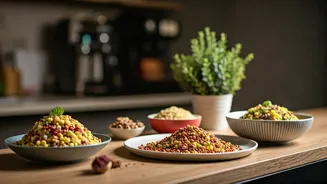
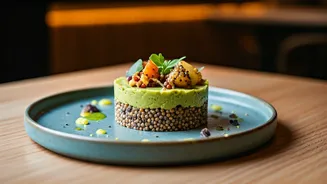
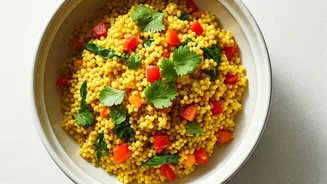
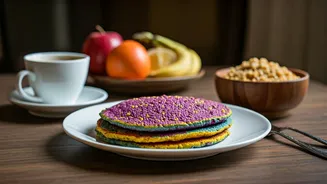
Crucially, this isn't just a return to the past; it's a modern reinterpretation. A new ecosystem of startups and established brands is making millets accessible and appealing to the modern palate. The market is now flooded with innovative, ready-to-cook products like millet muesli, millet upma mixes, dosa and idli batters fortified with ragi, and even millet-based pancakes. [7, 3, 2] These products solve the 'inconvenience' problem that once plagued millets, offering health without the hassle. [7] Chefs and food influencers are also playing a vital role, creating gourmet recipes that showcase the versatility of millets, moving them from the rustic kitchen to the trendy cafe menu. This modern makeover ensures that the comeback is not just a fleeting trend but a sustainable shift in eating habits.