


Start with Complete Separation
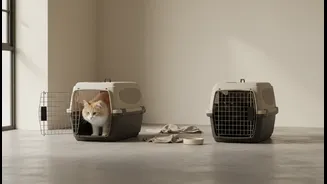
The first rule of cat introductions is to prevent a negative first impression. Cats are territorial, and forcing an immediate meeting can lead to fear and aggression that sets a damaging precedent. When your new cat arrives, place them in a dedicated
'safe room' with their own food, water, litter box, and toys. This allows the newcomer to decompress from the stress of the shelter and adjust to the new sounds and smells of your home without feeling threatened. Your resident cat will be aware of the new arrival through scent under the door, which is the perfect, low-stress starting point.
Master the Scent Swap
A cat's world is dominated by scent. Before they ever see each other, your cats should become comfortable with each other's smell. Take blankets or towels each cat has slept on and swap them. Place the other cat's scented item in their respective living areas. You can also rub a sock on one cat's cheeks and place it in the other's room. This process, known as scent swapping, allows them to gather information and build familiarity without the risk of a physical confrontation. This olfactory handshake is a crucial step in desensitizing them to each other's presence.
Create Positive Associations with Food
The goal is for each cat to associate the other's presence with something positive, and few things are more positive than a delicious meal. Begin feeding both cats on opposite sides of the closed door to the safe room. As they become comfortable eating there, gradually move their food bowls closer to the door with each meal. This teaches them that the scent of the other cat predicts something good is about to happen. If either cat shows signs of stress or refuses to eat, simply move the bowls further apart and proceed more slowly.
Engineer a 'Territory Timeshare'
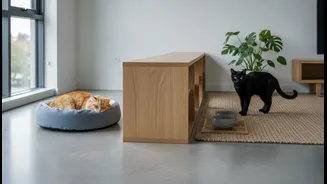
Once the cats are calm with scent swapping and eating near the door, it's time to switch their locations. Put your resident cat in the new cat's safe room (with the door closed) and allow the new cat to explore the rest of the house for a short period. This allows them to investigate each other's territory and leave their own scent markers without a direct encounter. This timeshare normalizes the idea that the house belongs to both of them and further mingles their scents, creating a communal smell that reduces territorial anxiety.
Orchestrate Brief Visual Meetings
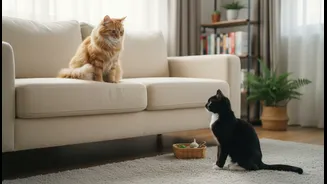
When both cats are relaxed, it's time for them to see each other. Use two stacked baby gates or a screen door as a barrier that allows visual contact but prevents physical interaction. Keep these first visual meetings very short and positive. Engage each cat with a favorite toy or offer high-value treats to keep the mood light. The goal is for them to see each other while experiencing something enjoyable. If you notice hissing, growling, or flattened ears, calmly end the session and try again later for a shorter duration. Never let them 'work it out'.
Supervise the First Face-to-Face Encounters
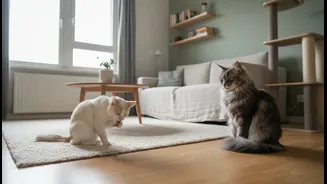
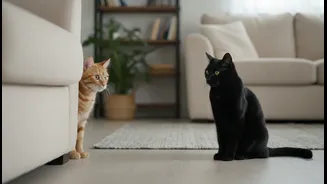
After several successful visual meetings, you can allow them to be in the same room under strict supervision. Keep the initial sessions short—just a few minutes at a time. Have plenty of toys on hand to redirect their attention and continue to build positive associations. Ensure the room has escape routes and vertical spaces, like cat trees or shelves. Height gives a nervous cat a sense of security and allows them to retreat without feeling cornered. Always end the interaction on a good note, before either cat becomes overstimulated or stressed.
Respect the Feline Timeline
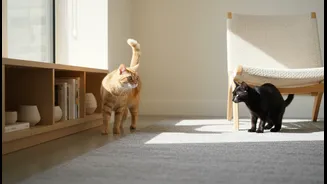
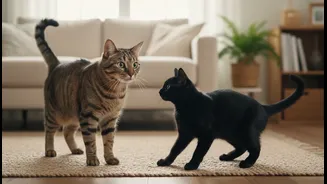
There is no magic timeframe for cat introductions; the process can take anywhere from a few weeks to several months. The cats themselves set the pace. Pushing them too quickly can undo all your hard work. This is especially true for rescue cats, who may have past trauma or unknown histories that make them more cautious. Pay close attention to their body language. Relaxed postures and curiosity are good signs, while twitching tails, pinned ears, and hissing mean you need to take a step back. Patience is your single most important tool.