


The End of Thirsty Gardens
For generations, the ideal garden often included sprawling, uniform lawns and delicate, water-guzzling flowers. This model, however, is becoming increasingly unsustainable. The shift to low-water gardening, sometimes called xeriscaping, is a practical
response to climate change, strained municipal water supplies, and a growing desire for eco-friendly living. The core idea is to create a vibrant, beautiful landscape that requires minimal supplemental irrigation. This isn't about creating a barren desert of rocks and cacti; it's about making intelligent choices that work with our local climate, not against it. The benefits extend beyond just water conservation, leading to reduced water bills, less time spent on maintenance, and healthier, more resilient gardens that can better withstand periods of drought.
Start With Your Soil and System
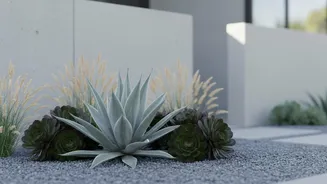
Before you even think about plants, the foundation of a low-water garden is healthy soil and efficient watering. Amending your soil with organic matter like compost is crucial. Healthy soil acts like a sponge, absorbing water deeply and retaining moisture for longer, which reduces runoff and evaporation. Covering the topsoil with a layer of mulch, such as bark chips or even gravel, is another essential step. Mulch insulates the soil, keeping it cooler, suppressing water-stealing weeds, and further reducing moisture loss. When you do need to water, the method matters. Drip irrigation systems and soaker hoses are far more efficient than overhead sprinklers because they deliver water directly to the plant's root zone with minimal waste. Watering deeply but infrequently encourages plants to develop deep, robust root systems, making them tougher and more self-sufficient over time.
Choosing Plants for the Long Haul
The central change in this gardening shift is a focus on a plant's long-term water needs. It’s crucial to understand that many plants are drought-tolerant only once they are established, which can take a year or more of regular watering. The real goal is to select species that have inherently low water requirements throughout their life. A key strategy is 'hydrozoning'—grouping plants together based on their similar water and light needs. This allows you to water a section of 'low-water' plants once a week, for example, while a 'very-low-water' zone might only need watering every other week. This prevents the common mistake of overwatering a drought-tolerant plant simply because it's next to a thirsty one. Planning your garden in these zones makes your watering schedule logical and highly efficient.
Native Plants: Your Garden's Best Friends
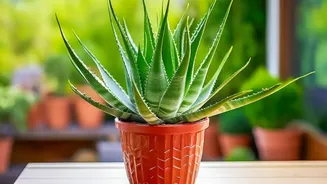
One of the most effective strategies in low-water gardening is to embrace native plants. Indigenous trees, shrubs, and flowers have evolved over thousands of years to thrive in your specific region's soil and climate patterns, including periods of low rainfall. This natural adaptation means they typically require far less water, fertiliser, and pest control than non-native species. For Indian gardens, this opens up a vast and beautiful palette. Think of the vibrant and hardy Bougainvillea, the fragrant Plumeria (Champa), or flowering trees like the Gulmohar and Indian Laburnum (Amaltas). Shrubs like Oleander and succulents like Aloe Vera are also excellent choices that provide structure and interest without demanding constant watering. By choosing native, you create a garden that is not only water-wise but also supports local pollinators and wildlife.
Beyond Succulents: A Diverse Palette
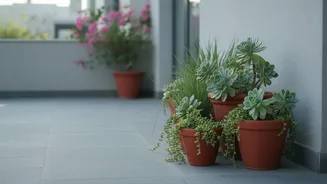
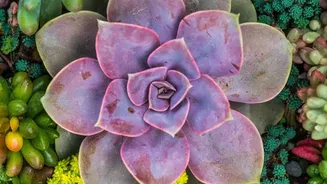
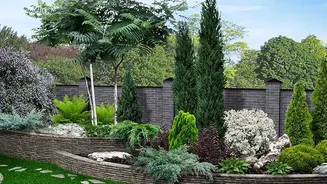
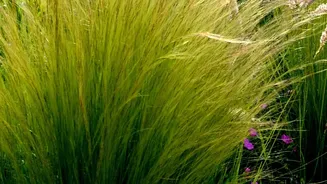
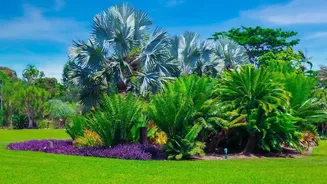
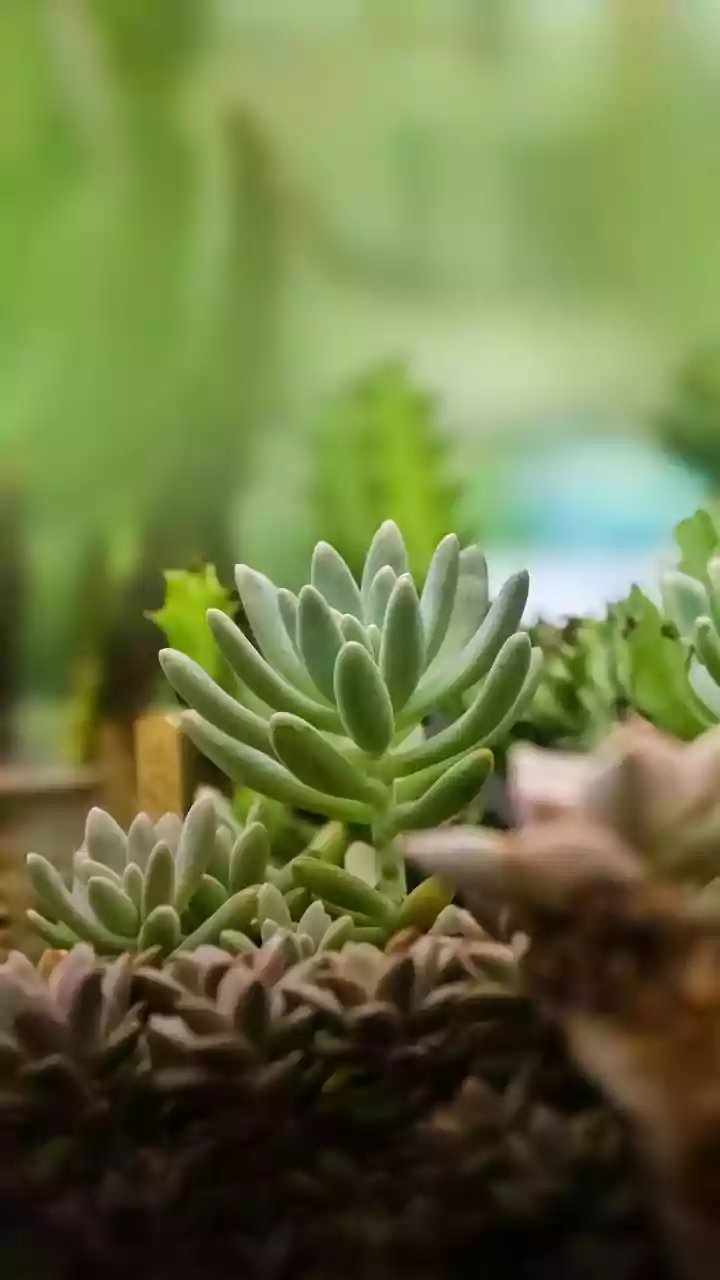
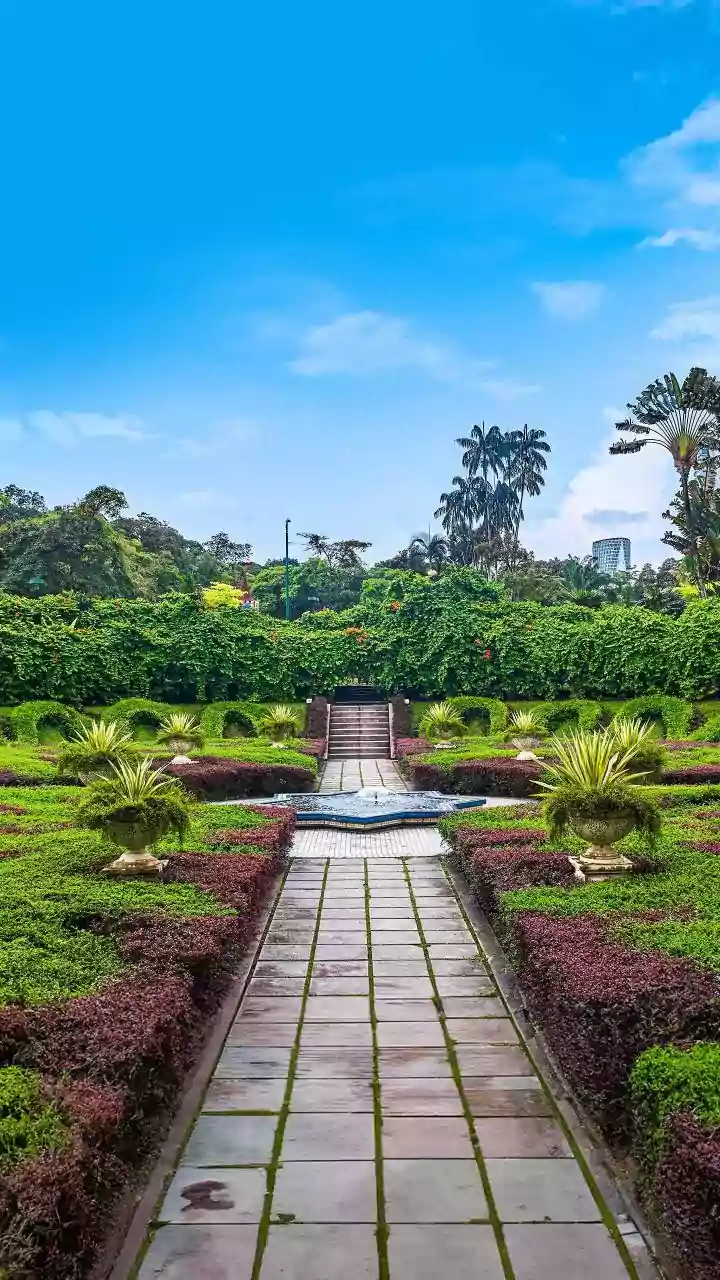
A common misconception is that a water-wise garden must look sparse or be limited to succulents and cacti. While these are fantastic options, the world of drought-tolerant plants is incredibly diverse. You can design a lush, multi-layered garden filled with a variety of textures, colours, and forms. Consider ornamental grasses that add movement and a soft texture. Many perennial flowers, like Tickseed (Coreopsis) and Lantana, offer brilliant colour and attract butterflies while demanding little water once established. Even some fruiting trees native to India, such as Jamun, Amla (Indian gooseberry), and Tamarind, have moderate water needs and provide the added benefit of a harvest. The key is to look beyond the conventional and explore the rich variety of resilient plants suited to our climate, creating a garden that is both beautiful and responsible.