





What Exactly Is Slow Decorating?
Slow decorating is the mindful antidote to the fast-paced consumerism that has dominated interior design. It’s a philosophy that encourages curating a home over time rather than filling it with mass-produced items in a single weekend. The goal is to create
a space that tells your personal story, filled with pieces that hold meaning and purpose. Think of it as the opposite of chasing fleeting trends or feeling pressured by perfectly styled social media feeds. Instead, this approach values quality craftsmanship, longevity, and a home that evolves organically with you. It’s about making intentional choices that reflect your life’s journey, whether that involves saving up for a quality artisan-made table or incorporating a cherished family heirloom.
The Art of Living First, Buying Later
The core practice of the slow-decorating movement is to live in your space before making any significant design decisions. Many people feel an intense pressure to furnish a room immediately after moving in, fearing that an empty room signifies an unsettled life. However, rushing often leads to regrettable purchases—a sofa that’s too bulky, a rug that doesn’t quite fit, or storage that doesn’t meet your actual needs. By taking time, you allow the room's natural patterns to reveal themselves. You learn where the sunlight lands in the morning and afternoon. You discover which corner naturally becomes a cozy reading nook and which hallway inevitably becomes a drop-zone for keys and bags. This period of observation provides crucial insights that a hastily drawn-up plan could never capture, ensuring your choices are based on your real habits and routines, not just aesthetics.
The Tangible Benefits of Patience
Embracing a slower pace has numerous advantages. Financially, it prevents impulse buys and allows you to invest in higher-quality, timeless pieces that are built to last, ultimately saving you money in the long run. Environmentally, it’s a more sustainable practice. By avoiding 'fast furniture'—cheaply made items not built for longevity—you reduce waste and support a more circular economy. It also encourages the use of natural and healthier materials, such as low-VOC paints and solid wood, which improve your home's indoor air quality. Perhaps most importantly, the slow approach fosters a deeper personal connection to your home. The result isn't just a decorated space, but a curated sanctuary that genuinely supports your well-being and reflects who you are.
How to Embrace the Slow Approach
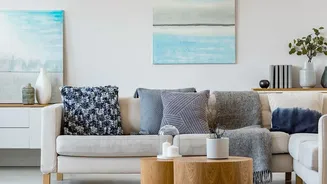
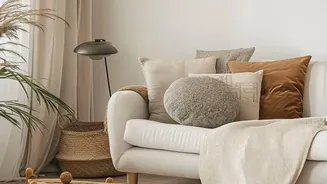
Getting started with slow decorating is more about a mindset shift than a strict set of rules. Begin by covering the absolute essentials: a place to sleep, a place to sit, and basic storage. Then, simply live. Pay attention to how you use each room. Keep a notebook to jot down observations about light, traffic flow, and functionality. When you do decide to add an item, do it one piece at a time. This allows you to see how each new element interacts with the space before adding another. Focus on sourcing items mindfully—explore secondhand shops, support local artisans, and invest in pieces with a story. Layering textiles like rugs and cushions can also add warmth and personality without the commitment of large furniture purchases.