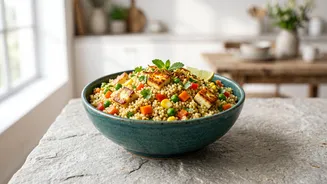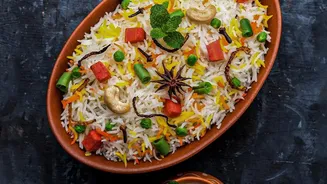

Why Millet Pulao Is a Balanced Choice
Before diving into the cooking, it’s worth knowing why millet pulao is such a fantastic choice for a balanced meal. Millets are naturally gluten-free ancient grains packed with nutrients. They are a great source of plant-based protein, antioxidants, and
essential minerals like iron, magnesium, and phosphorus. What truly sets them apart is their high fibre content. This includes soluble fibre, which helps manage cholesterol, and insoluble fibre, which acts as a prebiotic to support good gut bacteria. This high-fibre nature, combined with a low glycemic index, means millets release energy slowly, preventing the post-lunch energy slump often associated with meals made from refined grains like white rice. This makes millet pulao an excellent, satisfying meal that keeps you full longer and supports stable blood sugar levels.
Choosing the Right Millet
Not all millets are created equal when it comes to pulao. For a fluffy, grain-separated texture similar to rice, your best bet is foxtail millet (known as Kangni, Navane, or Thinai). Its grains tend to stay separate after cooking, making it an easy starting point for beginners. Other great options include little millet (Samai), kodo millet (Varagu), and barnyard millet (Kuthiravali), which all cook up beautifully in a pulao. These varieties are readily available in most Indian grocery stores. Just be sure you're buying hulled millets, as unhulled versions have a tough, indigestible outer layer and are typically used as bird feed.
The Golden Rules for a Fluffy Texture
Achieving that coveted fluffy texture boils down to a few non-negotiable rules. First, always rinse your millets thoroughly under running water 3-4 times to remove any dust or residue. Second, soaking is highly recommended. While some quick-cooking millets like foxtail can be cooked without it, a soak of at least 30 minutes (or up to 6-8 hours) softens the outer grain, ensures even cooking, and improves the final texture. Third, the water ratio is critical. A general starting point for most pulao-friendly millets is a 1:2 ratio (one cup of millet to two cups of water). Too much water is the number one cause of mushy millet. Finally, resist the urge to stir the millet while it cooks. Overstiring breaks the grains and releases starch, leading to a sticky, gummy result.
Cooking Your Millet Pulao
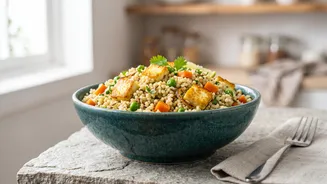
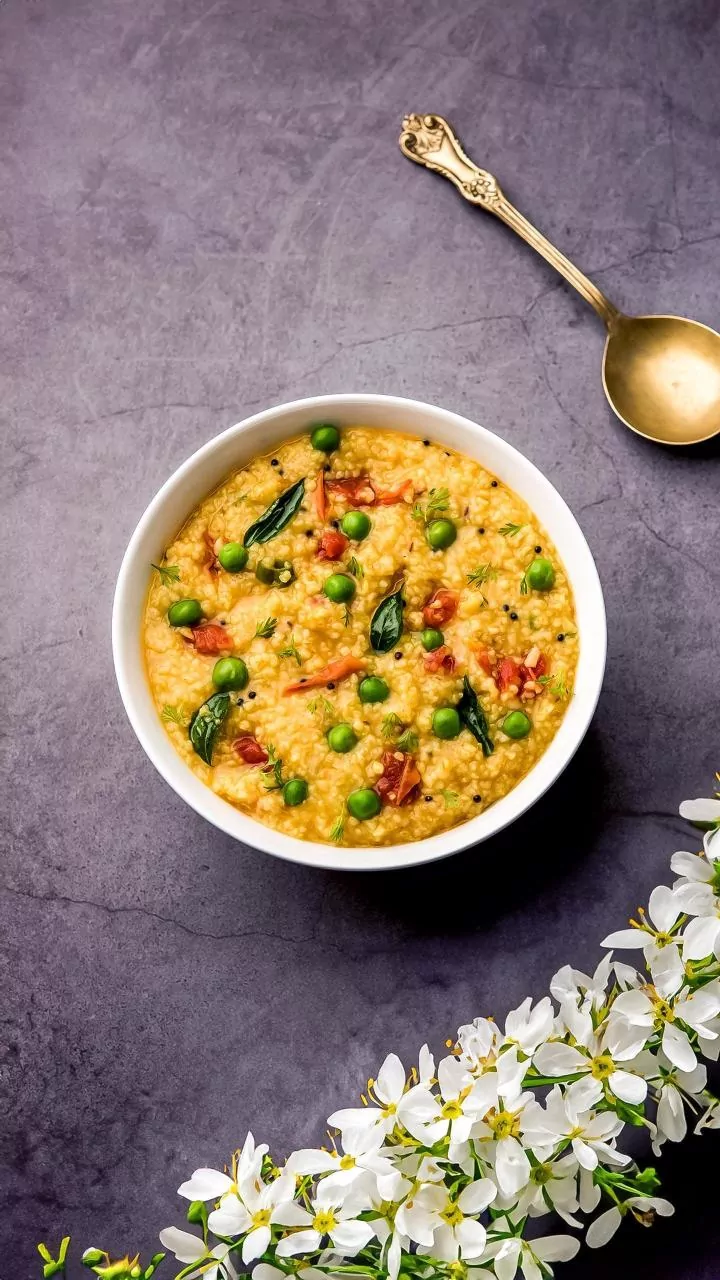
The process is remarkably similar to making rice pulao. Start by heating ghee or oil in a heavy bottomed pot or pressure cooker. Temper whole spices like bay leaves, cinnamon, and cloves until fragrant. Sauté sliced onions until golden, then add ginger garlic paste, green chillies, and your choice of chopped vegetables like carrots, peas, and beans. After cooking the vegetables for a few minutes, add the drained millet and stir gently for a minute to coat the grains. Pour in the water (using the 1:2 ratio) and salt, then bring it to a boil. If using a pot, reduce the heat to low, cover tightly, and cook for 12–15 minutes until all the water is absorbed. If using a pressure cooker, cook for about 2 whistles on medium–low heat. For both methods, the final step is crucial: let it rest, covered and off the heat, for 5–10 minutes. This allows the residual steam to finish the cooking process and firms up the grains. Once rested, gently fluff with a fork before serving.
Troubleshooting Common Issues
If your pulao still isn't perfect, don't worry. If it comes out mushy, you likely used too much water or cooked it for too long. Next time , slightly reduce the water or the cooking time . If the millet is undercooked or firm , it may be due to insufficient water or cooking on excessively high heat , which causes water to evaporate too quickly . You can rescue it by adding a few tablespoons of hot water , covering the pot , and steaming on very low heat for a few more minutes . If your millet is sticking together , it's a sign of either too much water or stirring during the cooking process . Remember to let it cook undisturbed and always allow for the resting period , as this step is essential for achieving separate , fluffy grains .