






Know the Difference: Unpolished vs. Polished
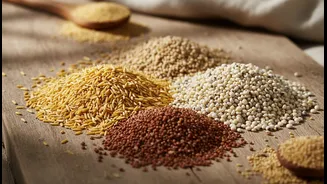
The most crucial factor in choosing millets is understanding the difference between unpolished and polished varieties. Unpolished millets retain their outer bran layer, which is packed with fibre, vitamins, and minerals. They have a natural, slightly
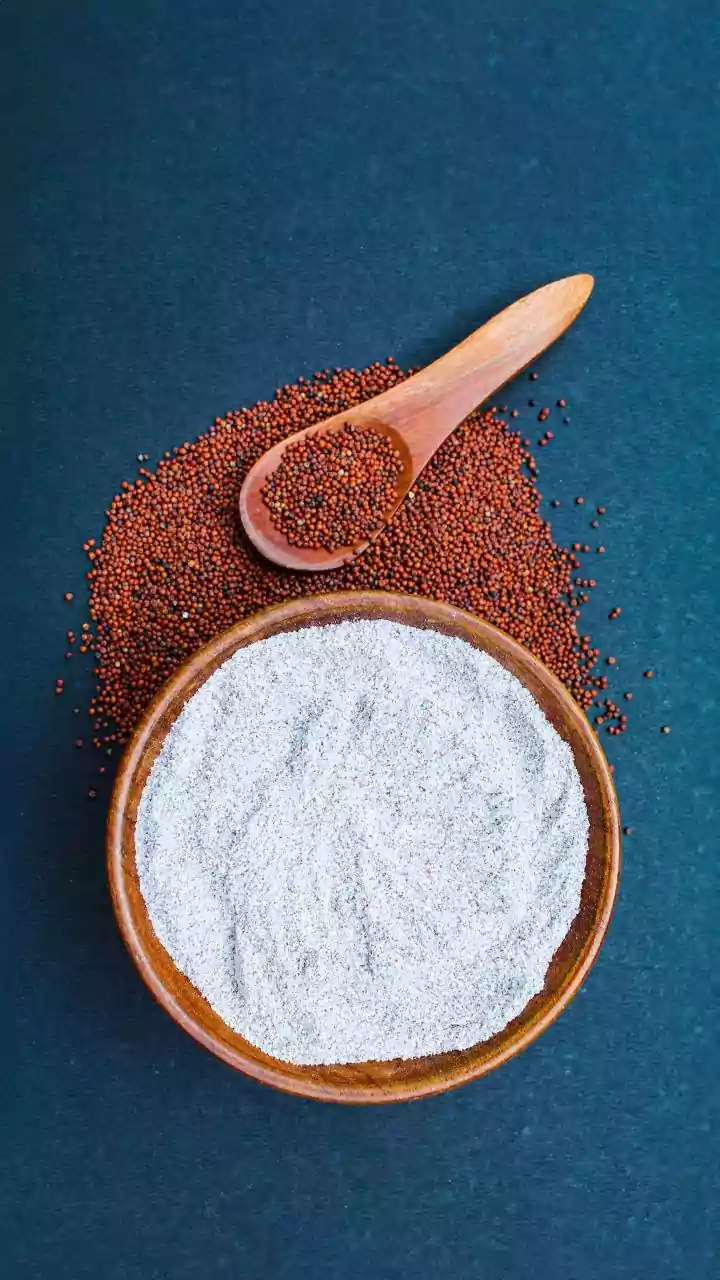
rough texture and their inherent colour—like the reddish-brown of ragi or the golden-yellow of foxtail millet. Polished millets, on the other hand, have been processed to remove this bran layer, resulting in a shinier, smoother grain that has lost a significant portion of its nutritional value. While they may cook faster, their health benefits are greatly diminished. For maximum nutrition, always opt for unpolished or semi-polished millets.
Use Your Senses: The Visual and Smell Test
You can tell a lot about millet quality just by looking and smelling. High-quality millets should appear uniform in size and colour, free from dust, stones, or other debris. Check the grains carefully for any signs of infestation, such as tiny insects, webs, or clumps, which indicate poor storage. Next, trust your nose. Fresh millets have a mild, nutty aroma. If the grains smell musty, sour, or rancid, it's a clear sign of spoilage, likely due to high moisture content which can lead to mould growth. The grains should also feel completely dry to the touch.
Look for the Millet 'Eye'
A simple trick to verify if you're buying truly unpolished millets and to guard against adulteration is to look for the 'millet eye'. This is a tiny black dot visible on each grain. Polishing often removes this identifying mark. Adulteration can sometimes involve mixing millets with cheaper grains like broken rice, which will not have this dot. If you find it hard to see, spread a few grains on a plate and look closely; this small detail is a great indicator of a less-processed, more authentic product.
Sourcing Smartly to Save Money
Where you buy your millets can significantly impact both quality and price. While attractively packaged millets from supermarkets offer convenience and quality assurance, they often come at a premium. Don't overlook your local 'kirana' store or farmers' market. Buying loose grains allows you to inspect them thoroughly before purchase and is often more budget-friendly. However, the golden rule when buying loose is to purchase in small quantities. Unpolished millets have a shorter shelf life because the natural oils in the bran can go rancid over time. Buying what you need for a month or two ensures you're always using a fresh batch.
Don't Be Fooled by High Prices
A higher price tag doesn't always equate to better quality. Often, the cost is inflated by fancy branding, elaborate packaging, or organic certifications. While certified organic millets guarantee they are free from pesticides, you can still find excellent quality, conventionally grown millets at a fraction of the price by following the inspection tips above. The most expensive millets are sometimes the highly polished ones, which are nutritionally inferior. Focus on the fundamentals—the grain's appearance, freshness, and whether it's unpolished—rather than letting the price guide your decision.
Proper Storage is the Final Step
Once you've brought your quality millets home, storing them correctly is essential to maintain their freshness and prevent spoilage. Transfer the grains into a clean, dry, and airtight container. Store this container in a cool, dark place away from direct sunlight and moisture, like a pantry or cupboard. For unpolished millets, especially in humid climates, consider storing them in the refrigerator. The cold temperature significantly slows down the process of oils becoming rancid, extending their shelf life for up to six months or even a year in the freezer.