
Peru is a land of ancient wonders and breathtaking landscapes that tops many travel bucket lists. But the reality of visiting its most famous landmarks can sometimes differ from the pristine images, due to crowds, costs, and conditions.
Machu Picchu: The Crowded Citadel
The expectation
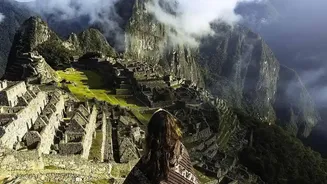
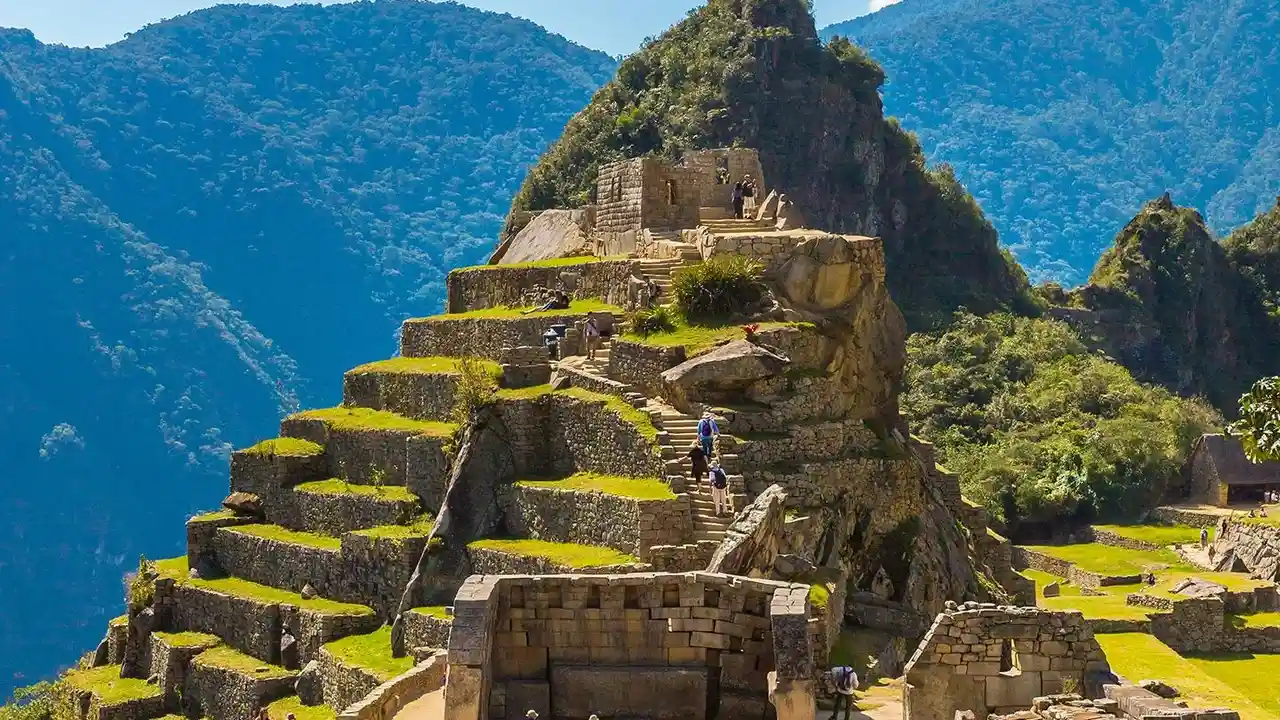
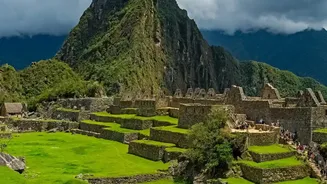
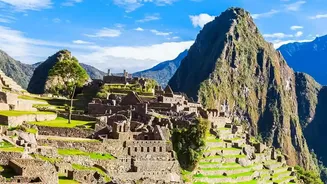
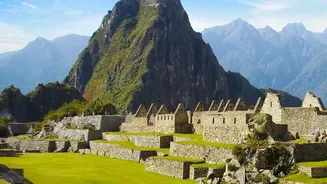
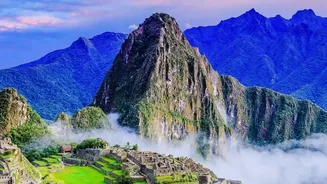
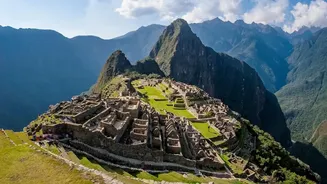
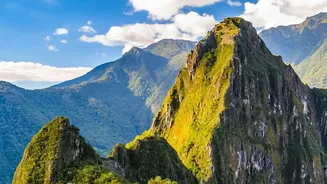
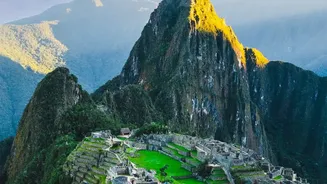
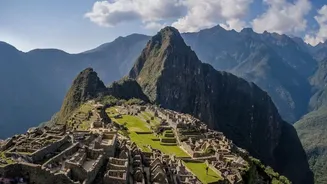
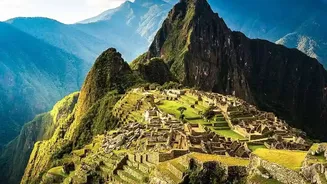
for Machu Picchu is a spiritual experience, wandering freely through a near-empty 'Lost City of the Incas'. The iconic photos suggest a tranquil stone city shrouded in mist. The reality is far more structured and crowded. Daily visitor numbers are capped at several thousand, with strict, timed entry slots and designated one-way circuits to manage the flow. This means you can't wander at will, and your time at the most famous photo spots will be shared with many others. While undeniably a masterpiece of engineering, the experience can feel more like a well-managed theme park than a solitary discovery. To get the best experience, book the earliest morning slot for fewer people and softer light, and be prepared for queues for the bus up from Aguas Calientes.
Rainbow Mountain: A Breath-Taking Challenge
Instagram has turned Vinicunca, or Rainbow Mountain, into a must-see. Photos show a mountain of impossibly vibrant, perfectly defined stripes under a clear blue sky. The reality is that reaching it is a significant physical challenge. The hike is at a very high altitude (over 5,000 metres), where altitude sickness is a serious risk for those not properly acclimatised. The weather can be extreme and unpredictable, and the trail is often crowded with hundreds of other hikers. Moreover, many online photos are heavily colour-saturated. While the mountain's hues are real, they are often more subtle in person. For a less strenuous and crowded alternative, consider visiting Palccoyo, the 'other' rainbow mountain, which offers views of three colourful mountains with a much gentler walk.
The Nazca Lines: A Fleeting Glimpse
The expectation is soaring over the desert, getting a perfect, clear view of the mysterious, giant geoglyphs of hummingbirds, monkeys, and spiders. The reality is that the only way to truly appreciate the scale of most figures is by taking a flight in a very small plane. These 30-minute flights are expensive and notorious for causing motion sickness as the plane banks sharply left and right to give passengers on both sides a view. While the sight is unique, the experience can be brief and stomach-churning for some. A budget-friendly, albeit limited, alternative is the observation tower on the Pan-American Highway, which allows you to see a few of the figures without the cost or potential nausea of a flight.
Huacachina: The Party Oasis
Postcards of Huacachina depict a pristine, tranquil oasis surrounded by towering, golden sand dunes—a perfect desert paradise. The reality is that while visually stunning, especially at sunset, the tiny village is primarily a backpacker party hub. The main activities are highndoctrine dune buggy rides and sandboarding. The town itself can feel a bit dated, and the lagoon's water quality has been a concern for some visitors. It's an adventure stop, not a serene retreat. Most travellers find that one night is sufficient to experience the main attractions before moving on. It is an essential stop for adrenaline junkies, but those seeking peace and quiet might feel it's more commercialised than expected.
Cusco’s Plaza de Armas: The Tourist Epicentre
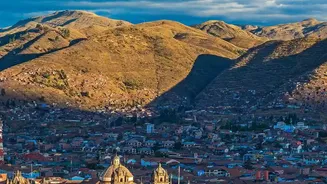
The Plaza de Armas is the historic and cultural heart of Cusco, a beautiful square flanked by stunning cathedrals and colonial arcades. The expectation is to leisurely soak in the atmosphere. The reality is that its beauty also makes it the absolute epicentre of tourism in the city. The square is constantly bustling with activity, tour groups, and persistent vendors selling everything from paintings to massages. The restaurants with balcony views are often priced for tourists. While you must visit the plaza to see its magnificent architecture, the most authentic Cusco experiences are often found in the quieter, surrounding cobblestone streets and neighbourhoods like San Blas—though even that is becoming increasingly touristy.