


Plan Around a Calendar, Not Just a Recipe
The most successful and stress-free festive gifting starts with a calendar. Before you even preheat your oven, categorize your gift ideas by how long they will last. This allows you to prepare certain gifts weeks in advance, saving the last few hectic
days for only the most perishable treats. Think in terms of three main windows: items that last a month or more, those good for one to two weeks, and last-minute delights that need to be eaten within a few days. This strategic approach ensures you’re not overwhelmed and that every recipient enjoys their gift at its peak freshness.
Long-Lasting Gifts to Make in Advance (1+ Month)
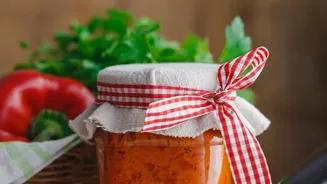
Gifts with a long shelf life are your best friends during a busy festive season. These are typically items preserved through high sugar content, acidity, or dehydration. Jams, jellies, and fruit curds are excellent choices, as their high sugar and acid content act as natural preservatives. Similarly, infused vinegars, homemade spice rubs, and preserved lemons are simple to make and can be jarred weeks ahead of time. For these items, the safety and longevity come from following tested recipes precisely, as incorrect acid or sugar levels can compromise the gift. Things like hot sauce can last for up to six months in the fridge.
Mid-Range Crowd-Pleasers (1-2 Weeks)
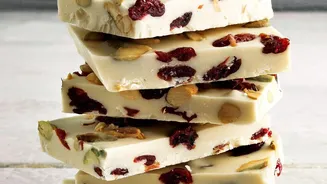
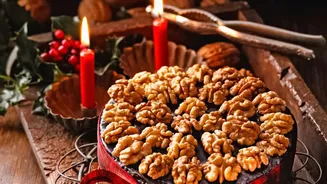
This category is full of festive classics that have a decent lifespan without needing formal canning. Sturdy, dry baked goods are the stars here. Think of biscotti, shortbread, and gingerbread people, which have a lower moisture content and hold up well. Candies like toffee, fudge, and peanut brittle also fall into this group, as their high sugar concentration inhibits spoilage. Homemade granola or crunchy nut clusters are other fantastic options that can be made a week or two ahead. When making these, using ingredients like honey or maple syrup can help maintain freshness. Store these treats in airtight containers to protect them from air and moisture.
The Final Sprint: Fresh & Perishable Delights (1-3 Days)
These are your showstoppers, meant for immediate or near-immediate consumption. This group includes soft-baked cookies with chewy centers, quick breads like banana bread, mini-cakes, and pastries. These items have a high moisture content, which makes them delicious but also quick to spoil. They are best baked and gifted within a day or two. If you're giving something like a soft challah bread or delicate cookies, let your recipient know they are best enjoyed quickly. Because these gifts are so time-sensitive, save them for local friends, neighbours, and colleagues you will see in person just before the holiday.
Smart Ingredient Choices for Longevity
The ingredients you choose can significantly impact how long your gift lasts. For baked goods, reducing moisture can extend shelf life; this can be done by using dry ingredients like powdered milk instead of fresh, or adding absorbent ingredients like oats. Natural humectants like honey and maple syrup can also help prevent baked goods from drying out. For savoury gifts, acid is a powerful preservative, which is why pickled items are a great choice. When it comes to fats, oils with high-oleic acid content, such as sunflower or extra virgin olive oil, can help slow the staling process in baked items. Always start with the freshest ingredients possible, as their quality will dictate the final quality of your gift.
Storage and Packaging for Success
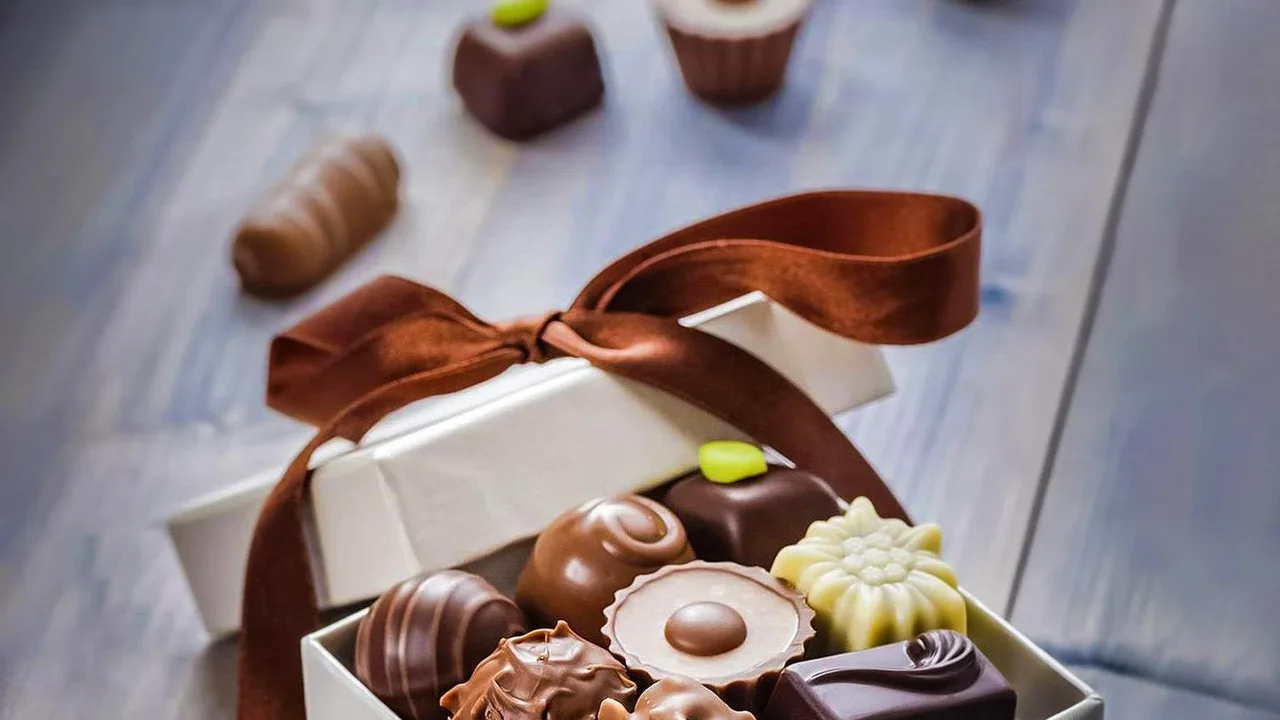
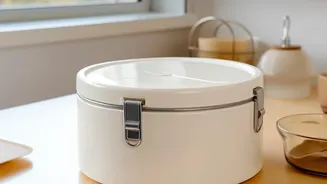
Your hard work in the kitchen deserves to be protected. The single most important rule for packaging most edible gifts is to use an airtight container. This prevents moisture from getting in (making crisp things soggy) and out (making moist things dry). For cookies and baked goods, consider lining tins or boxes with wax or parchment paper and layering different types to prevent them from sticking together. For shipping, sturdy treats like bar cookies, biscotti, and fudge travel best. Pack them snugly in a tin or sturdy box to prevent them from crumbling during transit. Finally, always label your gift with the name of the treat and any storage instructions, such as “keep refrigerated,” so the recipient knows how to care for it.