

The New August Weather Challenge
The gardening calendar once saw August as a time of lush, monsoon-fuelled growth. Today, however, gardeners across India face a more complex reality: periods of intense downpour followed by surprisingly hot, dry breaks. This mix of waterlogging and heat
stress can be fatal for many traditional garden plants. The latest advice, therefore, is less about a single set of rules and more about building resilience to this unpredictability. A climate-suitable garden is no longer just about surviving drought; it's about enduring weather whiplash, from flooded pots one week to parched soil the next. The key is to create a garden ecosystem that can handle both extremes.
Rethinking What 'Climate-Suitable' Means
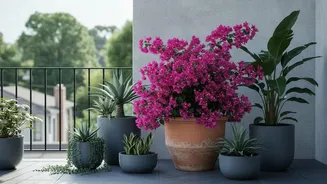
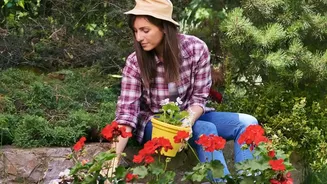
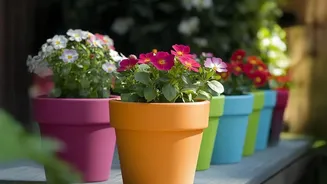
Traditionally, 'climate-suitable' often meant 'drought-tolerant'. That definition is now expanding. For the modern Indian garden, it means resilience. This includes plants that can withstand heavy rainfall without succumbing to root rot, as well as those that won't wilt during a sudden heatwave. Look for native species that are naturally adapted to your local monsoon patterns. Plants like hibiscus, bougainvillea, periwinkle, and marigold are excellent examples, as they handle both humidity and heat well. For vegetables, okra, brinjal, and various gourds are known to thrive in the typical hot and wet conditions of an Indian August. These plants have evolved to manage the unique stresses of the season.
Smart Water and Drainage Management
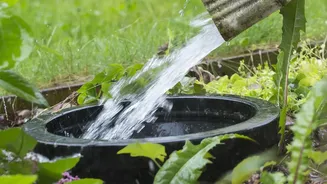
The most critical August skill is managing water. During heavy rains, the priority is drainage. Ensure every pot has clear drainage holes and isn't sitting in a saucer full of water. Elevating pots on bricks or stands can prevent them from becoming waterlogged. Conversely, during hot, dry spells, the focus shifts to moisture retention. Mulching is a gardener's best friend here. A layer of organic material like straw or dried leaves can shield soil from the sun, reducing evaporation and keeping roots cool. When you do water, do it deeply in the early morning or late evening to minimize water loss. Avoid the common mistake of daily light watering, which can do more harm than good during the monsoon.
Soil Health: Your Garden's First Defence
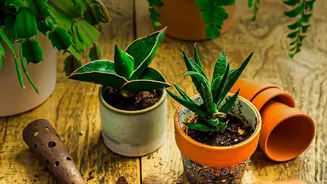
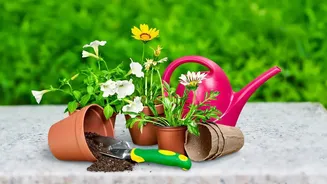
Great gardens start with great soil, and this is especially true in a challenging climate. Healthy soil is your first line of defence against weather extremes. Amending your soil with plenty of organic matter like compost does two things: it improves drainage, which is crucial during downpours, and it enhances water retention, which helps during dry spells. For potted plants, using a well-aerated potting mix containing cocopeat and sand can prevent the soil from becoming a soggy, compacted mass. If soil becomes waterlogged, you can even bury an empty, unglazed clay pot nearby to help wick away excess moisture from the root zone.
Pruning and Pest Control in High Humidity
High humidity combined with rain creates a perfect breeding ground for pests and fungal diseases. Weekly inspections are a must. Check under leaves and around new shoots for signs of trouble like mealybugs or black spots. Good air circulation is key to prevention, so avoid overcrowding plants. When it comes to pruning, the advice is to be strategic. During August, focus on removing any yellow, broken, or diseased leaves to keep the plant healthy and prevent the spread of infection. Avoid heavy pruning during periods of continuous rain, as it can slow the plant's recovery. A light trim on a dry morning is the best approach to maintain shape and encourage healthy growth.