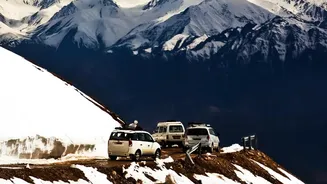



Ladakh: The High-Altitude Dry Escape
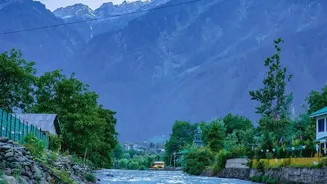
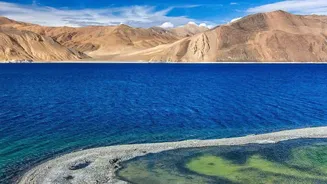
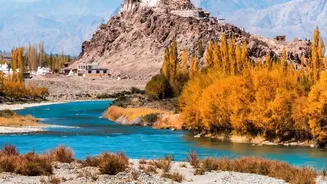
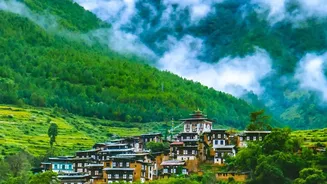
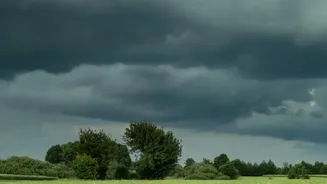
Traditionally, Ladakh has been the go-to destination for those looking to escape the monsoon, as it lies in the rain-shadow of the Himalayas. This means while the rest of the country is drenched, Ladakh often boasts crisp, dry weather and clear blue skies,
making it ideal for sightseeing, trekking, and road trips. All major internal roads to popular spots like Nubra Valley and Pangong Tso are generally open. However, climate change is bringing new risks. In recent years, Ladakh has experienced an increase in rainfall, leading to rare but serious events like cloudbursts and flash floods. The biggest challenge remains accessibility; the primary highways connecting Ladakh to the rest of India—the Manali-Leh and Srinagar-Leh roads—are highly susceptible to landslides and closures during peak monsoon months. Travellers driving or riding to Ladakh must factor in buffer days for potential delays. Flying directly into Leh is the safest bet to avoid these road-related uncertainties.
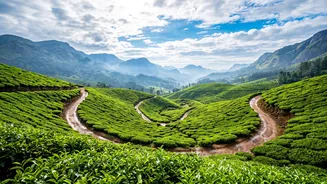
Kerala: The Lush and Rejuvenating Retreat
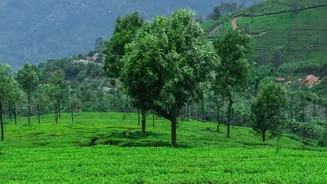
For many, Kerala in the monsoon is a romantic dream. The landscape turns into a vibrant, emerald paradise with overflowing waterfalls and misty hills. It’s a time for quiet rejuvenation, and the season is considered ideal for Ayurvedic treatments as the cool, moist air helps the body absorb the therapeutic oils. You can enjoy serene backwater cruises on houseboats in Alleppey or Kumarakom and explore spice plantations in Thekkady. Another major advantage is that it’s the off-season, meaning fewer crowds and better deals on flights and luxury hotels. However, you must be prepared for rain, which can range from light showers to continuous downpours. Beach activities are a no-go; swimming in the sea is dangerous due to strong currents. While Kerala’s infrastructure is accustomed to the rain, heavy downpours can still cause localised flooding and landslides in hilly areas like Munnar and Wayanad, so always check local advisories before travelling.
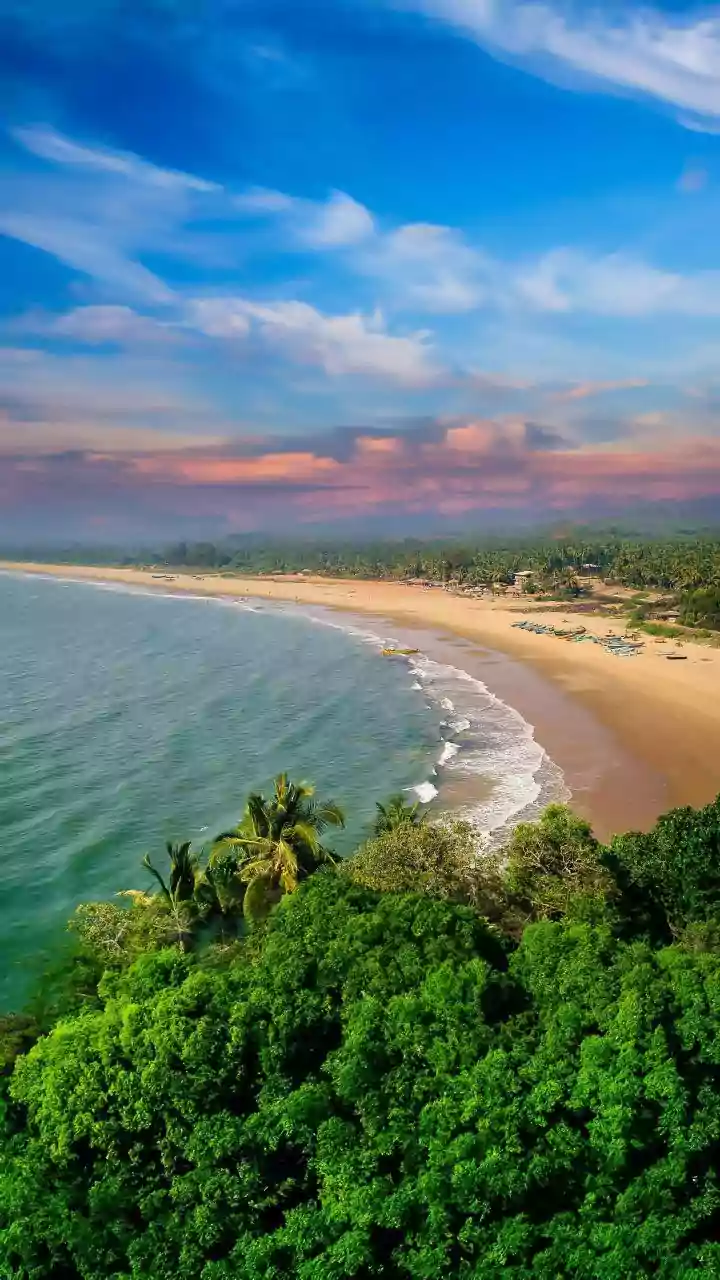
Goa: The Peaceful, Budget-Friendly Getaway
Monsoon transforms the party capital of India into a tranquil, green haven. The biggest draws are the drastically lower prices for hotels and the blissfully empty beaches. It’s the perfect time for those who want to experience a slower, more local side of Goa. The focus shifts from the coast to the lush interiors. You can rent a scooter and explore verdant paddy fields, visit majestic waterfalls like Dudhsagar which are at their peak, and enjoy the cozy atmosphere of the few pubs and restaurants that remain open. But it’s crucial to set the right expectations. Most beach shacks and water sports operators are closed for the season. Swimming in the Arabian Sea is strictly advised against due to extremely rough conditions and strong currents. While some days might offer sunny spells, you should expect frequent and sometimes heavy rain, making it a holiday best suited for relaxation rather than action-packed sightseeing.
The Verdict: How to Choose Your Ideal Holiday
Your perfect monsoon destination depends entirely on your travel style and priorities. Before booking, check the latest weather forecasts from the India Meteorological Department (IMD) and any local travel advisories. Choose Ladakh if your priority is adventure, trekking, and clear, sunny weather. It’s ideal for thrill-seekers and photographers who are willing to navigate the potential risks of reaching the region. Be prepared for high-altitude conditions and plan for road-related delays if not flying in. Choose Kerala if you are looking for a romantic, relaxing, and nature-focused holiday. It’s perfect for couples, wellness seekers, and anyone who finds beauty in the rain. Your trip will be about lush scenery and quiet moments, not beach parties. Choose Goa if you are on a budget and seeking peace and solitude. It’s a great choice for writers, artists, or anyone needing a quiet escape. Go for the green landscapes and discounted luxury stays, not for the parties or beach activities.