






Your Culinary Passport Awaits
Forget the generic “multi-cuisine” restaurants of the past that served a diluted mix of popular dishes. The new wave of dining is about depth and authenticity, offering a curated tour through the diverse culinary landscapes of a country or even a continent.
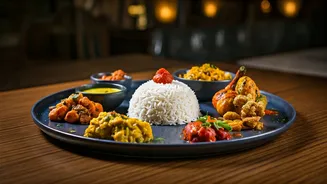
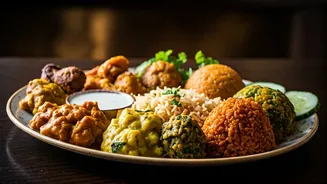
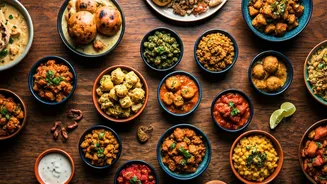
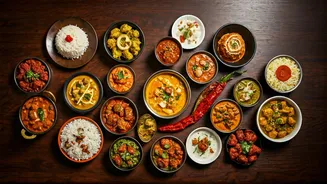
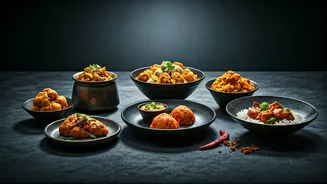
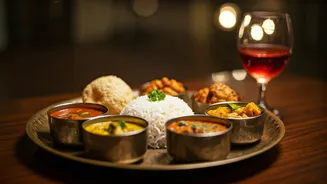
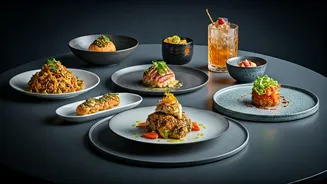
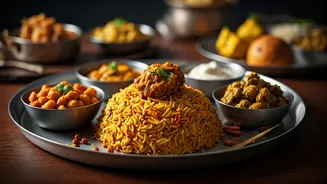
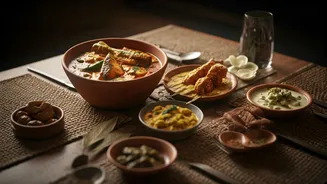
At these establishments, the menu acts as a map. You might start with coastal delicacies from Goa, travel north for a hearty Awadhi kebab from Lucknow, and end with a dessert inspired by the traditions of West Bengal. It’s a concept that moves beyond broad labels like “Indian” or “Italian” to celebrate the distinct flavours of specific regions like Chettinad, Rajasthan, or the Konkan coast. This shift reflects a deeper appreciation for culinary diversity, where chefs act as guides on a gastronomic expedition.
A Hunger for New Horizons
The demand for this style of dining is driven by an increasingly curious and adventurous palate. Diners today don't just want a meal; they want an experience. Food has become a primary driver for travel, with a vast majority of travellers choosing destinations based on their culinary offerings. Multi-regional menus cleverly tap into this desire, offering a form of culinary tourism without the need for a plane ticket. This trend has been amplified by a post-pandemic world where the desire for exploration is high. It’s also fuelled by a new generation of diners who are more interested in unique, local experiences and authentic stories than just fine dining. Restaurants are responding by digging deep into hyperlocal cuisines and reviving forgotten recipes, offering a taste of something truly new and memorable.
The Chef as a Storyteller
Behind many of these menus is a chef with a personal journey to share. Many have travelled extensively, collecting recipes and techniques from different regions, and the menu becomes a reflection of their travels. For instance, a chef might serve a dish inspired by a childhood memory, a market they visited, or a home cook they met on their travels. This approach transforms chefs from mere cooks into cultural storytellers. They curate tasting menus that are not just a sequence of dishes but a narrative, with each course revealing something about a place, its history, and its people. By weaving together personal stories with authentic regional ingredients, they create an immersive experience where diners feel a genuine connection to the food and its origins.
A Journey Across India on a Plate
In India, this trend is particularly vibrant. Restaurants are increasingly moving beyond the standard North Indian and South Indian classifications to showcase the incredible diversity of the nation's food. For example, The Westin Pune Koregaon Park recently reimagined its restaurant Aafreen to take guests on a journey across India's regional cuisines, from Awadhi specialities to other regional delicacies. Similarly, chefs are championing lesser-known dishes from specific states, like a pork curry from Nagaland or a traditional sweet from Odisha. This celebration of hyper-regional food is also visible in Mumbai, where restaurants are now focusing on the specific cuisines of communities like the Gaud Saraswat Brahmins or the unique flavours of Mangalorean food, giving diners a more nuanced taste of the Konkan coast. These menus are a testament to the fact that Indian food is not a monolith, but a rich tapestry of countless local traditions.
The Challenge of Authenticity
Executing a multi-regional menu is no simple feat. One of the biggest challenges is maintaining consistency and authenticity across a wide range of dishes, each with its own specific techniques and ingredients. Sourcing authentic, high-quality ingredients from various regions can be a logistical hurdle. A chef might need to import spices directly from South America or source a specific grain from a small village in the Himalayas to get a dish just right. Furthermore, each dish requires a deep understanding of its cultural context to prepare it properly. Without this, a multi-regional menu risks becoming a superficial collection of dishes rather than an authentic journey. It demands immense skill, research, and a dedicated kitchen team to successfully navigate the complexities of so many different culinary traditions.