




Beyond the Everyday Pulao
Let’s be honest: pulao is a cornerstone of comfort in the Indian subcontinent. Whether it’s the simple, fragrant vegetable pulao that accompanies a Sunday lunch or the rich matar pulao studded with sweet green peas, it’s a dish we know and love. It’s
quick, it’s reliable, and it rarely disappoints. But for many food enthusiasts, the quest for deeper, more authentic flavours is leading them away from the familiar and towards a dish steeped in history and technique: the Yakhni Pulao. This isn’t just another variation; it’s a masterclass in the art of subtlety, a dish that is rapidly becoming the new favourite for discerning palates across the country.
The Secret is in the 'Yakhni'
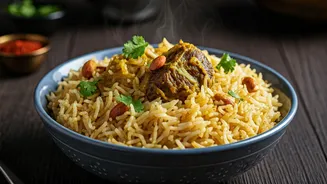
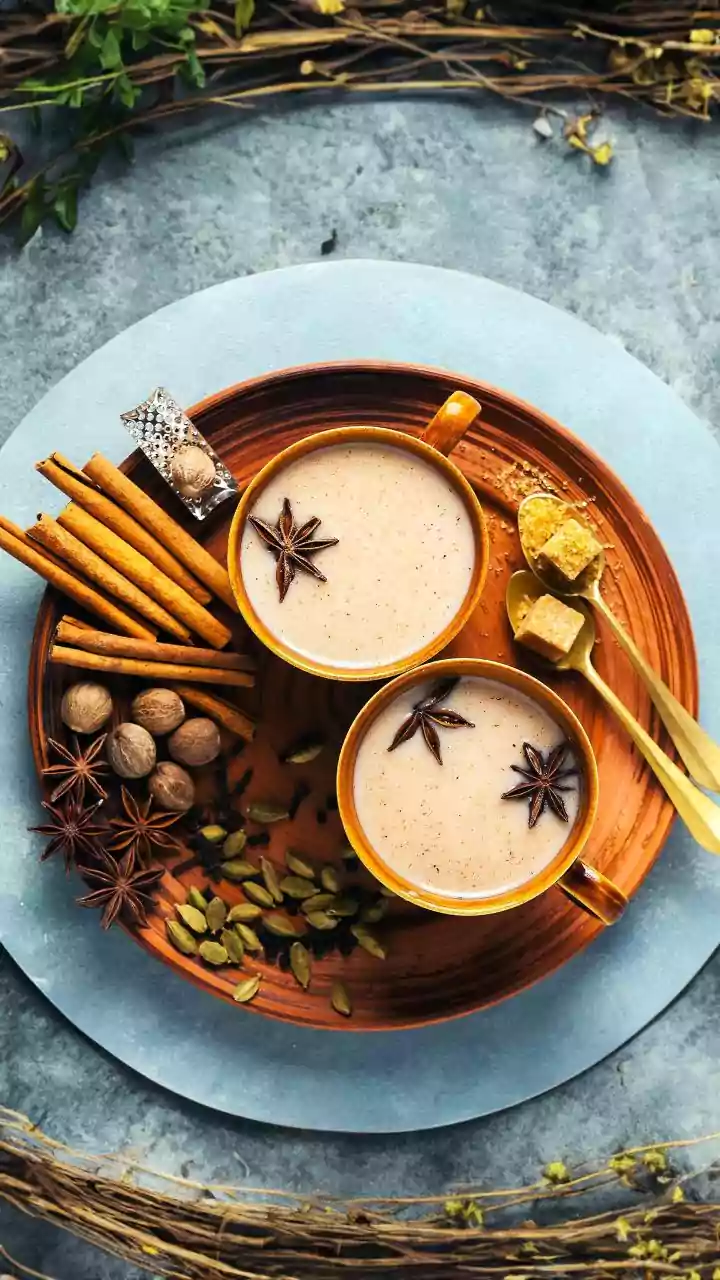
So, what exactly is Yakhni Pulao? The name itself holds the key. 'Yakhni' is a Persian word for a rich, aromatic stock or broth, typically made by slow-cooking meat (usually mutton or chicken) with whole spices. Unlike other pulaos where spices are often fried in oil before adding rice, the entire flavour foundation of Yakhni Pulao comes from this meticulously prepared broth. Bones and meat are gently simmered for hours with fragrant ingredients like fennel seeds (saunf), coriander seeds (dhania), ginger, garlic, bay leaves, cinnamon, and cardamom. This fragrant concoction is then strained and used as the liquid to cook the long-grain Basmati rice. The meat, tender and infused with flavour, is added back into the pot. The result is a dish where every grain of rice is saturated with the essence of the meat and spices.
Pulao vs. Biryani: A Tale of Two Techniques
It’s tempting to compare Yakhni Pulao to its more flamboyant cousin, the biryani, but they are fundamentally different. Biryani is about layering—par-cooked rice and a rich, spicy masala are layered and cooked on 'dum' (steam). It's a vibrant symphony of bold flavours, colours, and textures. Yakhni Pulao, on the other hand, is a composition. It's about harmony and absorption. The rice and meat are cooked together in the yakhni, allowing for a complete fusion of flavours. There is no bright red or orange from chilli powder or tomatoes, and no overpowering garam masala. Its beauty lies in its elegant simplicity and its pale, almost ivory hue, promising a clean yet deeply complex flavour profile. It's a testament to the 'less is more' philosophy.
Tracing Its Royal Roots
The origins of Yakhni Pulao are woven into the culinary tapestry of Mughal and Awadhi courts, with deep roots in Kashmiri cuisine as well. The technique of using a meat stock to cook rice was a hallmark of Persian-influenced royal kitchens, where slow-cooking and extracting maximum flavour from ingredients were prized skills. In Kashmiri Pandit cuisine, Yakhni is prepared without onions or garlic, relying on yoghurt and spices like fennel and dried ginger to create its signature flavour. This heritage lends the dish an air of sophistication. Eating Yakhni Pulao feels like partaking in a piece of culinary history, a tradition preserved and passed down through generations.
Why It's Winning Hearts Now
The rising popularity of Yakhni Pulao isn't an accident. In an age of over-processed foods and aggressive flavours, there's a growing appreciation for authenticity and nuance. Home cooks and restaurant chefs are rediscovering the joys of slow cooking and traditional techniques. Diners are becoming more adventurous, seeking out regional specialities that tell a story. Yakhni Pulao fits this mood perfectly. It’s nourishing, flavourful without being heavy, and feels both luxurious and wholesome. It satisfies the modern diner's desire for a meal that is both Instagram-worthy in its minimalist elegance and deeply comforting in its taste.