





The Body’s Drug-Processing System
To understand the interaction, we first need to look at how our bodies handle many oral medications. In the walls of our small intestine, we have a family of enzymes called cytochrome P450, with one in particular—CYP3A4—playing a starring role. This enzyme acts
like a bouncer, breaking down a portion of many drugs before they ever reach the bloodstream. This 'first-pass metabolism' is a normal, expected process. In fact, pharmaceutical companies calculate a drug's dosage knowing that CYP3A4 will neutralize a certain percentage of it. For some drugs, this effect is substantial; for example, only about 15% of an oral dose of the blood pressure medication felodipine normally enters the circulation because of this enzyme's activity.
Grapefruit: The Potent Enzyme Blocker
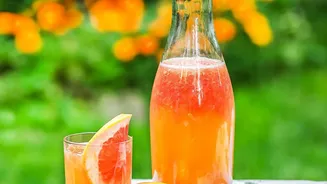
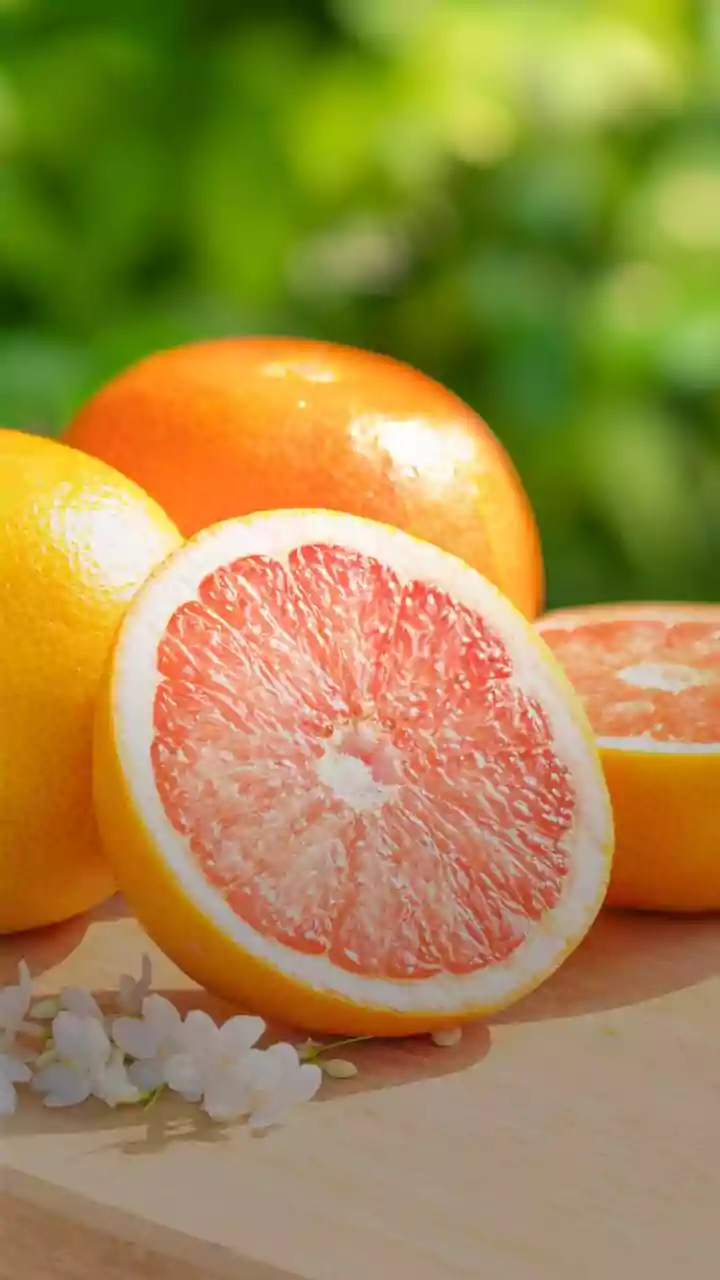
Grapefruit, and to a similar extent Seville oranges, pomelos, and limes, contain natural compounds called furanocoumarins. These compounds are the primary culprits behind the interaction. When you consume grapefruit, these furanocoumarins get to work on the CYP3A4 enzymes in your gut, but they don't just slow them down—they cause an irreversible inactivation. They essentially shut the enzyme down until your body can produce new ones, a process that can take 24 to 72 hours. This means that simply separating your medication and juice by a few hours won't solve the problem. With the CYP3A4 enzyme out of commission, much more of the drug can pass from the intestine into the bloodstream. A normal dose can suddenly become the equivalent of a double or even triple dose, dramatically increasing the risk of side effects, toxicity, and even life-threatening events. Just one whole grapefruit or a 200 ml glass of juice is enough to cause a clinically relevant interaction.
Are All Orange Juices Risky?
This is where the variability comes in. Most common sweet oranges, like navel or Valencia varieties, do not contain the furanocoumarins that inhibit CYP3A4, making them a much safer choice with most medications. However, Seville oranges, which are bitter and often used in marmalades, do contain these compounds and can cause the same interaction as grapefruit. But the story doesn't end there. Some juices, including orange, apple, and even grapefruit juice itself, can have a completely different and opposite effect on certain drugs. Instead of blocking metabolism, they can inhibit proteins called transporters (like OATPs) that are responsible for helping your body absorb the medication in the first place. For a drug like the antihistamine fexofenadine, drinking orange or apple juice can reduce its absorption, making it less effective.
How Dosage and Formulation Increase Danger
The formulation of a drug plays a critical role in how it's affected. Extended-release (ER or XR) versions are designed to be broken down slowly and predictably over many hours. This steady release relies on a functioning CYP3A4 enzyme system. When that system is knocked out by grapefruit, the drug may be absorbed much more rapidly, defeating the slow-release mechanism and creating a dangerously high spike in the bloodstream. This is particularly concerning for medications where the difference between a therapeutic dose and a toxic one is small. A higher dosage strength naturally means there is more of the drug available to be absorbed. When combined with the enzyme-blocking effect of grapefruit, a high-dose medication can quickly reach toxic levels, increasing the risk for serious adverse effects like muscle damage from statins or a sharp drop in blood pressure from heart medications.
Which Medications Are Most Affected?
The list of drugs that interact with grapefruit is long and growing, now exceeding 85 medications. It is not a class effect, meaning not all drugs in a category will interact. However, some of the most common types include: certain statins for lowering cholesterol (like atorvastatin and simvastatin), some blood pressure medications (like nifedipine), anti-anxiety drugs (like buspirone), organ transplant rejection drugs, and some antihistamines. Because the interaction depends on the specific drug, the amount of juice consumed, and even your own personal enzyme levels, the effect can vary widely from person to person.