


Understanding Complete Proteins
Proteins are essential for virtually everything your body does, from building tissues to making hormones. They are constructed from building blocks called amino acids. While your body can produce some amino acids, nine of them—known as essential amino acids—must
come from your diet. A food source that contains all nine of these in sufficient amounts is called a 'complete protein'. Most animal products like dairy and eggs fall into this category. Most plant foods, however, are 'incomplete', meaning they are low in one or more essential amino acids. This doesn't make them inferior; it just means a little strategy is required.
The Powerful Pulse and Grain Partnership
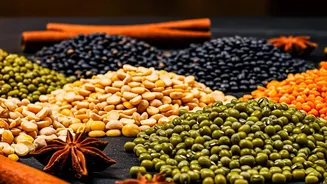
This is where the magic of synergy happens. Most grains, like rice and wheat, are low in an essential amino acid called lysine. On the other hand, pulses—which include dals, beans, and chickpeas—are rich in lysine but tend to be low in another amino acid, methionine. When you eat them together, they perfectly complement each other's shortfalls. The lysine from the dal completes the protein in the rice, and the methionine from the rice completes the protein in the dal. This concept, known as protein complementation, creates a meal with a complete amino acid profile, giving your body all the tools it needs.
Why This Matters for Your Fitness
For those who are active, getting enough high-quality, complete protein is non-negotiable. After a workout, your muscle tissues are broken down and need to be repaired and rebuilt stronger. Essential amino acids are the direct fuel for this process, known as muscle protein synthesis. Without a complete set of these amino acids, your body's ability to recover and build lean muscle is compromised. The portion of an incomplete protein can't be effectively used for muscle repair and is instead burned for energy. By ensuring your plant-based meals contain complete proteins through food combining, you are directly supporting faster recovery, reducing muscle soreness, and maximising the results of your training.
Everyday Synergy Hacks from the Indian Kitchen
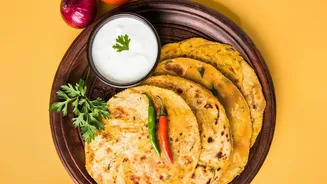
The best part is that this nutritional strategy is already deeply embedded in traditional Indian cuisine. You don't need to search for exotic ingredients; you're likely already practicing protein synergy without even realising it. Some classic examples include: Dal and Roti/Rice: This is the most iconic pairing. Whether it's toor dal with basmati rice or masoor dal with whole wheat roti, this combination is a staple for a reason. Khichdi: This ultimate comfort food, made from rice and moong dal, is a perfect one-pot complete protein meal. Rajma Chawal: The classic North Indian dish of kidney beans and rice is another powerful and delicious combination. Idli/Dosa with Sambar: The batter for idli and dosa is made from fermented rice and urad dal, creating a complete protein profile even before it's served alongside lentil-based sambar.
Expanding Your Combinations
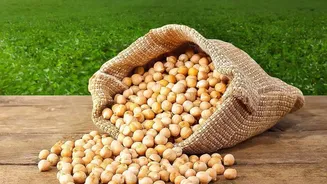
While grains and pulses are the most common pairing, the principle applies to other food groups as well. Combining legumes with nuts or seeds is also effective. Think of a peanut butter sandwich on whole-grain bread or a bowl of dal topped with a sprinkle of sesame seeds. Even dishes like hummus (made from chickpeas) served with pita bread (a grain) follow this same synergistic rule. The key isn't necessarily to have every single combination in one meal. As long as you consume a variety of complementary plant proteins throughout the day, your body can pool the amino acids to get what it needs.