







Why Are Oil Prices Climbing Again?
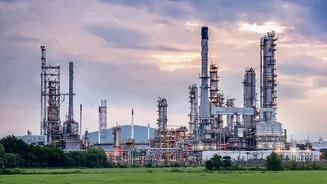
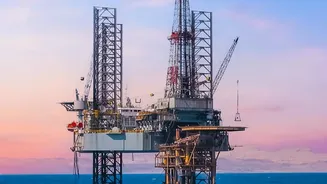
The primary driver of the recent surge in fuel prices is the volatility in global crude oil markets. Geopolitical tensions in West Asia, particularly disruptions around the critical Strait of Hormuz shipping route, have tightened supply. India imports
nearly 90% of its crude oil, making its economy highly sensitive to these international price movements. When the cost of a barrel of oil rises, or when the rupee weakens against the US dollar, the price of bringing that oil into the country increases automatically, even before it's refined. As of mid-August 2026, Brent crude, a key benchmark, has been trading around $93 per barrel, a significant jump from previous months, reflecting a substantial geopolitical risk premium.
The Direct Hit: Your Vehicle's Fuel Tank
For the average Indian, the most immediate impact is on petrol and diesel prices. What many don't realize is that the cost of crude oil itself only makes up about 35-45% of the final price you pay. The rest is a combination of central and state taxes (like excise duty and VAT), dealer commissions, and refining costs. Together, central and state taxes can account for a staggering 40-55% of the retail price. This is also why fuel prices vary significantly across different cities and states; each state applies its own VAT rate. Recent trends have shown oil marketing companies passing on the increased costs to consumers through steady price hikes, pushing petrol in major cities well over the Rs 100 per litre mark.
Up in the Air: The Aviation Squeeze
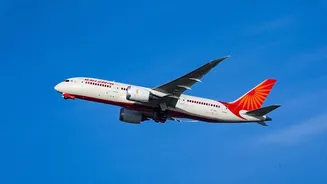
The aviation industry is particularly vulnerable to rising oil costs. Aviation Turbine Fuel (ATF), or jet fuel, can constitute 30-40% of an airline's operating expenses, a share much higher than the global average. When crude prices surge, ATF prices follow. In response to a sharp increase in global benchmarks, ATF prices for domestic airlines in Delhi were recently revised to approximately Rs 1,04,927 per kilolitre. To prevent a sudden and dramatic spike in airfares, the government has at times stepped in to cap the price increase for domestic carriers, though no such relief is typically extended for international flights. Airlines have already started passing these costs on to passengers by introducing or increasing fuel surcharges on both domestic and international tickets, with some hikes ranging from Rs 600 to as high as Rs 10,000 for long-haul routes. Some carriers have even resorted to temporarily reducing the number of flights on certain routes to manage costs.
The Ripple Effect on Overall Travel
The impact doesn't stop with flights. The entire travel and tourism ecosystem feels the strain. Higher diesel prices increase the operational costs for tour buses, taxis, and logistics, which can translate to more expensive holiday packages. Even hotels face higher input costs, from transporting supplies to running generators. Travel industry experts have noted that even marginal increases in airfares can dampen discretionary travel, particularly for the price-sensitive leisure segment. Families planning their holidays may be forced to make difficult choices: switching from a flight to a train, shortening their trips, or opting for closer, more accessible destinations over long-haul international ones. The trend shows travellers postponing outbound plans or choosing shorthaul Asian destinations instead of more expensive trips to Europe or the US.