





The Official September Forecast
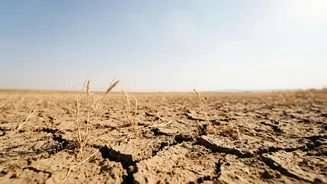
The India Meteorological Department (IMD) has officially predicted that rainfall across the country in September 2026 is likely to be 'below normal'. In meteorological terms, this means rainfall is expected to be less than 91% of the Long Period Average
(LPA), which for September is about 167.9 mm. This deficit is not expected to be uniform; some parts of northwest, northeast, and east-central India may still receive normal to above-normal rainfall. However, the broader, nationwide picture is one of reduced precipitation, driven largely by strengthening El Niño conditions in the Pacific Ocean, a phenomenon often linked to weaker monsoon rains in India. Alongside the rain deficit, most of the country is also expected to experience above-normal temperatures, which can further stress crops and water resources.
Why This Final Month Is Crucial
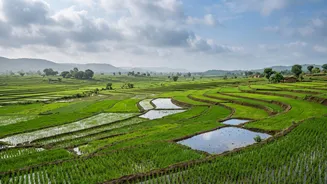
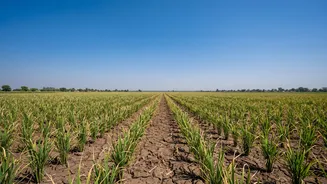
September is the withdrawal month for the southwest monsoon, and its performance is vital for several reasons. The rains received during this period are critical for the maturity of late-sown kharif (summer) crops, which have already faced a challenging season. The monsoon season from June to August has already been deficient, with cumulative rainfall about 14% below normal by the end of August. A poor September deepens this deficit and can severely impact yields. Furthermore, September rains are essential for replenishing soil moisture, which is a key factor for the upcoming rabi (winter) crop sowing season. A dry end to the monsoon could mean a difficult start for farmers planting crops like wheat, mustard, and gram.
From Fields to Food Prices
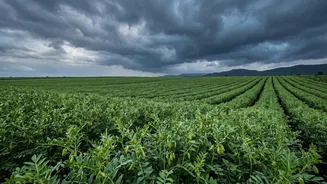
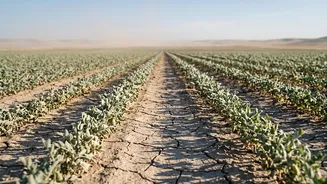
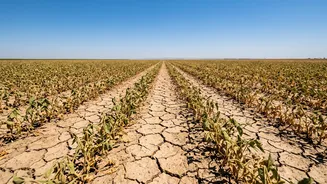
The direct consequence of inadequate rainfall is its impact on agriculture. Even before this forecast, the erratic monsoon had resulted in kharif sowing for several key crops lagging behind last year's levels. The acreage for essential commodities like pulses, coarse cereals, oilseeds, and even rice has been under pressure due to insufficient and uneven rainfall. A drier September threatens to exacerbate this situation, potentially leading to lower-than-expected harvests. When production falls, supply in the markets tightens. This supply-demand imbalance inevitably puts upward pressure on prices, a phenomenon known as food inflation. With food inflation already a concern even before the full impact of a weak monsoon is felt, a poor harvest could mean higher prices for daily staples at your local kirana store in the months ahead.
Reservoirs and Resources Under Strain
The monsoon's impact extends beyond the farm. These rains are the primary source for refilling India’s vast network of reservoirs, which are crucial for drinking water, industrial use, and hydroelectric power generation throughout the year. Data from late August already showed that water storage in India's major reservoirs was significantly lower than at the same point last year, with the deficit reported at over 18%. While some regional reservoirs, like those supplying Mumbai, were in a relatively healthy state, the national picture points to a strain on water resources. A weak performance in September would mean these reservoirs may not reach their optimal levels, posing potential challenges for water management in the post-monsoon period.