





A City Exhales in Relief
For Mumbaikars, the monsoon's arrival on June 9th wasn't just a change in weather; it was a deeply emotional, collective event. After a gruelling pre-monsoon season marked by oppressive humidity and soaring temperatures, the first downpour felt like a city-wide
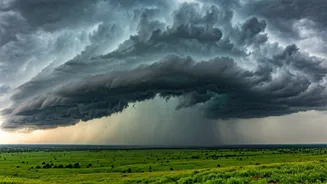
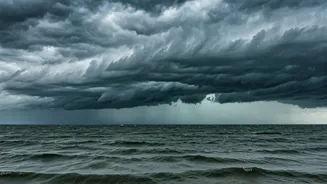
catharsis. Social media feeds instantly flooded with videos of rain-streaked windows, people dancing on Marine Drive, and children splashing in newly formed puddles. The hashtag #MumbaiRains trended for hours, a digital chronicle of shared joy. The scent of petrichor—the earthy smell of rain on dry soil—filled the air, a fragrance synonymous with relief and renewal across India. This was the monsoon in its most romantic, celebrated form: a dramatic, life-affirming spectacle that breaks the tyranny of summer heat. For a few glorious hours, the only thing that mattered was the cool air and the sound of falling rain.
The Sobering National Picture
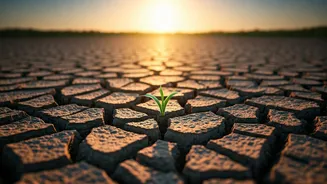
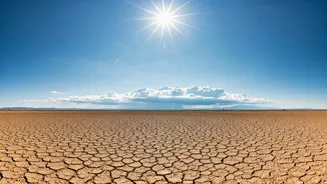
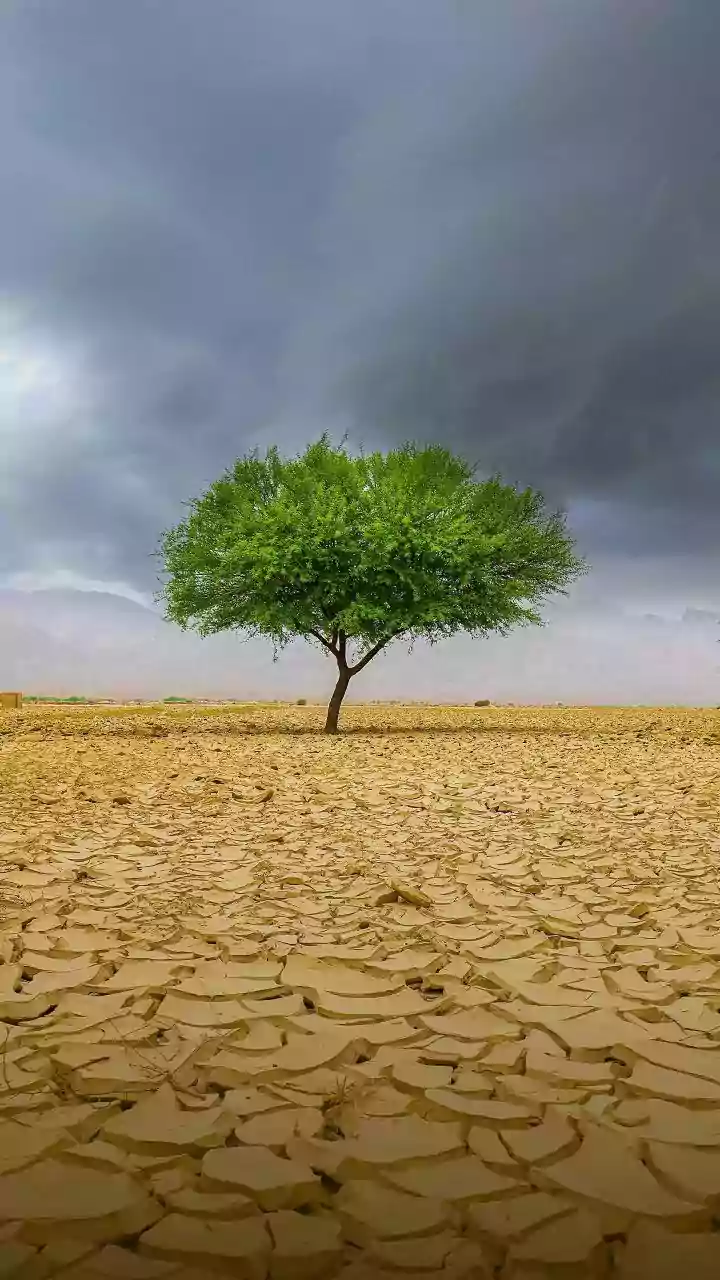
While Mumbai celebrated its timely, even slightly early, monsoon onset, meteorologists and policymakers were looking at a much larger and more concerning map. According to the India Meteorological Department (IMD), the monsoon's overall progress across the country had been sluggish. After making a strong start in Kerala, its advance stalled. By mid-June, the country as a whole was facing a rainfall deficit of around 20%. Many parts of central and northern India, which are critically dependent on monsoon rains for agriculture, remained dry and anxiously waiting. This stark contrast highlights a fundamental truth of the Indian monsoon: the experience in one city, however dramatic, does not represent the health of the system as a whole. The wild celebrations in Mumbai were a hyper-localised reaction to immediate relief, set against a backdrop of a nationally delayed and deficient rainfall pattern.
Why the Deficit Matters
A weak or delayed monsoon is far more than an inconvenience; it's a threat to India's economic and social stability. The season's rains are the lifeblood of the country's agriculture, particularly for the sowing of kharif crops like rice, soybean, and cotton, which account for almost half of India's food output. A deficit means farmers cannot sow their crops on time, leading to lower yields and potential food inflation. Beyond the farms, the monsoon replenishes over 150 major reservoirs that supply drinking water to cities and generate hydroelectric power. Lower water levels can lead to water rationing in urban areas—a perennial concern for megacities like Mumbai—and a strain on the power grid. The entire economy feels the ripple effect, as rural demand weakens and industries reliant on agricultural raw materials suffer. The initial joy in Mumbai, therefore, exists in a delicate balance with this larger, looming economic anxiety.
A Familiar Monsoon Paradox
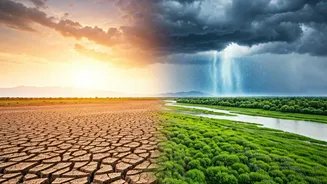
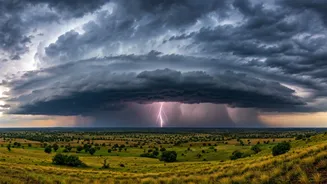
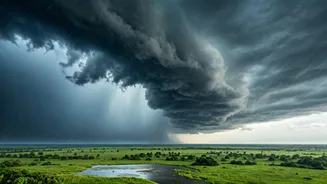
This duality—of intense, localised downpours coexisting with a broader deficit—is a classic feature of India's increasingly erratic weather patterns. Climate scientists have long warned that a warming world will lead to a more volatile monsoon. This can mean long dry spells punctuated by short, extreme rainfall events. One part of the country might experience flooding while another faces drought-like conditions. Mumbai itself is no stranger to this, often grappling with waterlogging and civic disruption caused by intense deluges, even in years when the overall national rainfall is poor. The city’s celebration of the rain's arrival is always tempered by the knowledge that too much, too soon, brings its own set of problems. It’s a complex relationship, where the very thing that brings relief can also cause chaos.