



Why the Danger Lingers After the Rain
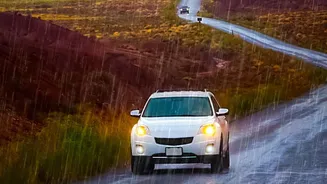
The most visible threat—heavy rain—may have passed, but the real danger often lies beneath the surface. Soil on slopes becomes saturated with water, significantly increasing the risk of landslides, which can occur days after the rain stops. This is a recurring
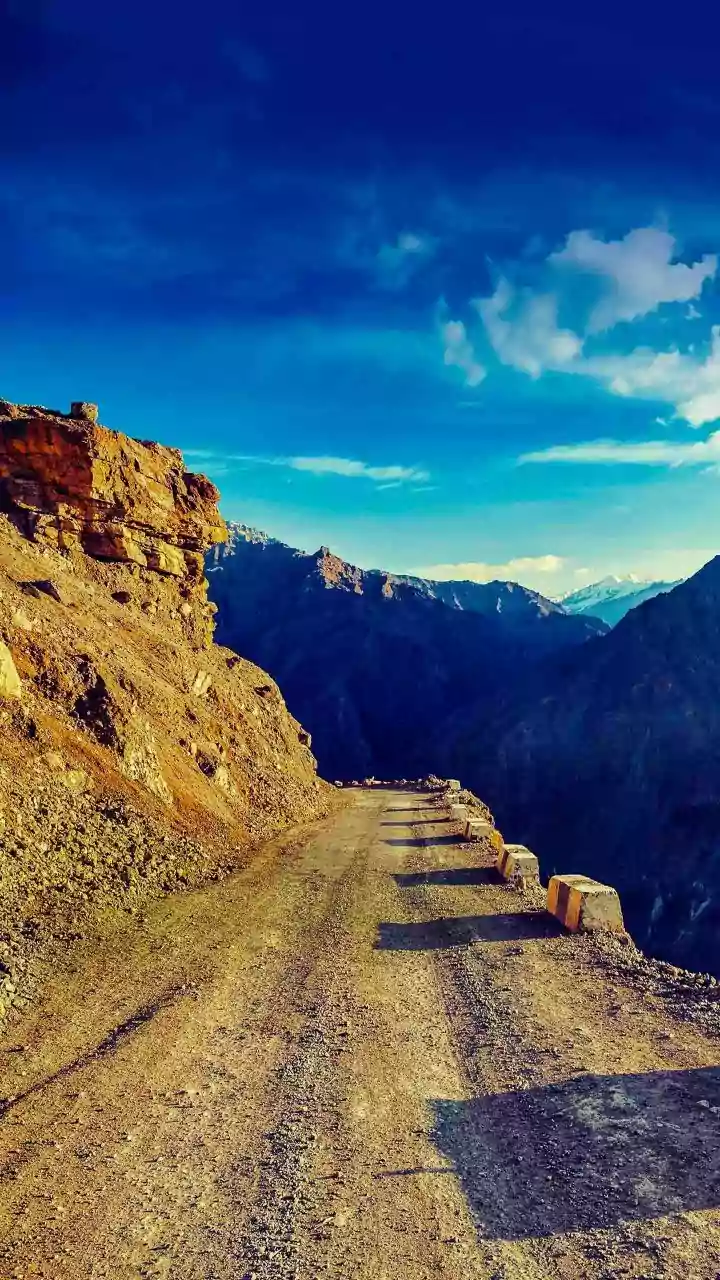
issue in geologically young and fragile ranges like the Himalayas and the steep Western Ghats. Furthermore, rainwater can wash away the road surface, creating hidden potholes, or weaken the road's foundation, making it unstable. Water accumulation and debris from smaller slides can also create unexpected hazards on winding routes.
Vehicle Health: Your First Line of Defence
Before you even think about starting the engine, a thorough vehicle inspection is non-negotiable. Mountain driving puts immense strain on a car. Pay close attention to your tyres; they are your only connection to the slippery road. Ensure they have adequate tread depth (a minimum of 3mm is recommended for wet roads) and are inflated to the manufacturer's specified pressure. Brakes are equally critical. Have the brake pads, fluid levels, and handbrake checked, as you'll rely on them heavily during steep descents. Finally, check all lights, including fog lamps, and ensure your wipers are in excellent condition to handle any lingering mist or sudden showers.
Route Planning and Real-Time Checks
Your journey planning shouldn't stop at a GPS route. Before and during your trip, actively check for real-time road conditions. Many parts of Himachal Pradesh and Uttarakhand are known for sudden road blockages due to landslides. Local authorities and state police often post updates on social media or official websites. National highway helplines can also provide current information. Avoid travelling at night when visibility is poor and it's harder to spot debris or damaged road sections. If an area has received intense rainfall, it's wise to build flexibility into your itinerary, as journeys may take longer than expected.
Safe Driving Techniques for Hill Roads
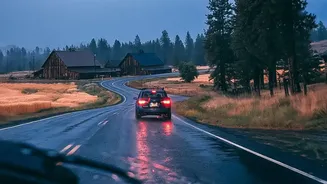
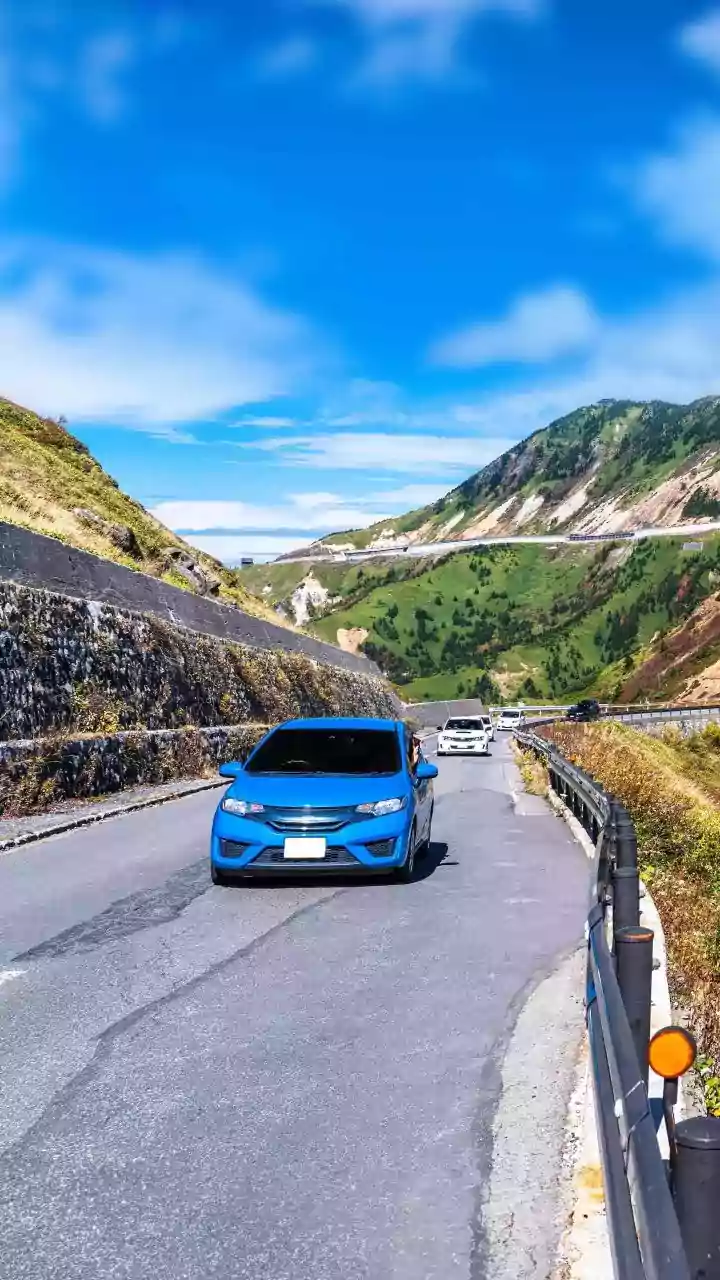
How you drive is as important as what you drive. On wet and unpredictable hill roads, slow down significantly. Wet surfaces can double your braking distance. Maintain a greater distance from the vehicle ahead. When driving downhill, use lower gears to let engine braking assist you, rather than relying solely on your brakes, which can overheat. Avoid sudden acceleration, braking, or sharp steering movements, as these can cause you to lose traction. If you encounter a narrow stretch, the vehicle travelling uphill generally has the right of way. Always stay alert for falling rocks or mud on the road, especially around sharp bends.
The Essential Emergency Kit
Being stranded in the hills is a serious situation, so an emergency kit is vital. Your kit should include a well-stocked first-aid box with bandages, antiseptic wipes, and pain relievers. Pack essential tools like a torch with extra batteries, a tow rope, jumper cables, and a portable tyre inflator. Given the possibility of long delays due to road blockages, always carry extra food and water. A high-visibility vest and reflective warning triangles are also crucial to ensure you are seen by other drivers if you break down.