




The Core Deception: How Fake Links Work
The most common UPI scams don't involve hacking your phone; they trick you. Scammers exploit a crucial misunderstanding about how UPI apps work. They often use the "Request Money" feature, sending you a link or notification that looks like a payment confirmation.
The message might say "Refund Approved" or "Cashback Received," but the button you're asked to press says "Pay." If you enter your UPI PIN, you are not receiving money—you are authorising a payment from your account to the scammer. The single most important rule to remember is this: you never need to enter your UPI PIN to receive money. That PIN is exclusively for sending money out.
Common Scams and Social Engineering Tactics
Fraudsters create convincing stories to make you act without thinking. A popular tactic involves online marketplaces, where a fake buyer insists on paying via a link they send, which turns out to be a payment request. Another common method is the refund scam, where you receive a message about a cashback or refund and are prompted to click a link and enter your PIN to claim it. Scammers also impersonate bank officials or customer care representatives, creating a sense of urgency by claiming your account needs verification or will be blocked. They might even ask you to install a screen-sharing app to "help" you, which gives them direct access to your financial information. In all these scenarios, the goal is to create panic or excitement, so you approve the transaction without careful review.
Five Red Flags to Instantly Spot a Scam
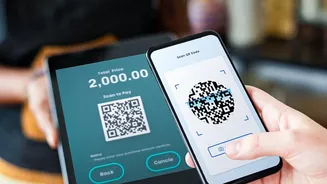
Developing a cautious mindset is your best defense. Watch for these clear warning signs: 1. You are asked for a PIN to receive money: This is always a scam. Receiving money on UPI is automatic and never requires a PIN. 2. The link comes from an unknown source: Be extremely wary of unsolicited payment links sent via SMS, WhatsApp, or email, especially if they promise prizes, refunds, or lottery wins. 3. There is a sense of urgency: Scammers will pressure you to act immediately, warning that an offer will expire or your account will be suspended. This is a tactic to prevent you from thinking clearly. 4. The sender asks you to scan a QR code to receive payment: Just like entering a PIN, scanning a QR code is only for making payments, not for receiving them. 5. The payment screen details don't match: Before ever entering your PIN, carefully read the screen. It will show the recipient's name and the direction of the transaction. If it says "Pay" when you expect to receive, it's a fraud attempt.
Your Defensive Strategy: Proactive Steps for Safety
Protecting your UPI account is about building safe habits. First, always verify payments directly within your own UPI or banking app. Never trust a screenshot sent by someone else as proof of payment, as these can be easily faked. Always double-check the recipient's name and UPI ID before authorising any payment. Decline all unknown or suspicious payment requests without engaging. Many UPI apps now have spam filters that flag suspicious requests; pay attention to these warnings. Finally, keep your UPI app updated to ensure you have the latest security features implemented by banks and the National Payments Corporation of India (NPCI).
What to Do If You've Been Scammed
If you suspect you've lost money to a fake payment link, you must act fast. The first step is to immediately call the national cybercrime helpline at 1930. Next, contact your bank to report the fraudulent transaction and request to have your account frozen to prevent further losses. Following that, file a formal complaint on the National Cyber Crime Reporting Portal at cybercrime.gov.in. You should also report the fraudulent transaction within the UPI app you used, whether it's Google Pay, PhonePe, or another service. According to RBI guidelines, reporting an unauthorised transaction within three days significantly increases your chances of getting a full refund. The faster you report the incident through these official channels, the higher the likelihood of recovering your funds.