




The Problem with All-or-Nothing Thinking
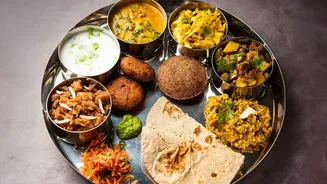
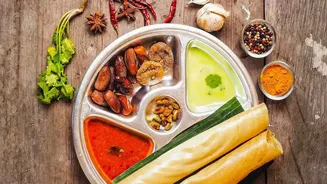
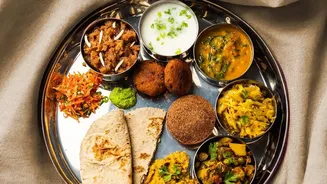
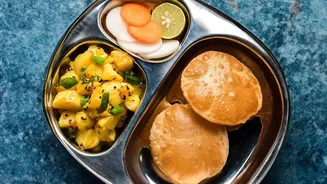
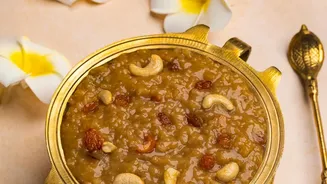
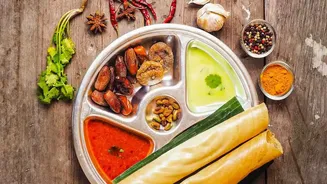
When faced with tables laden with ghee-soaked laddoos, crispy samosas, and rich curries, it's tempting to adopt a strict 'no-eating' policy. Many believe this is the only way to avoid gaining weight. However, nutritionists and psychologists agree that
severe food restriction often backfires. This all-or-nothing approach can lead to intense cravings, feelings of deprivation, and an unhealthy preoccupation with food. When you finally 'give in,' you're more likely to overeat, consuming far more than if you had allowed yourself a moderate indulgence from the start. Skipping meals to 'save' calories for a party is another common mistake that disrupts hunger signals and can lead to bloating and overconsumption later.
Embrace Mindful Indulgence Instead
A more sustainable and joyful approach is shifting from restriction to awareness. This is the essence of mindful eating and portion control. It isn't about forbidding foods but about making conscious choices. It means you can have your favourite kaju katli, but perhaps you savour one or two pieces instead of five. The goal is moderation, not deprivation. Taking smaller servings allows you to enjoy a variety of dishes without feeling overly full. Eating slowly, and engaging all your senses helps you appreciate the food more and recognise your body's fullness cues, which prevents overeating. This strategy allows you to participate fully in the cultural joy of festive food without the subsequent guilt.
Practical Tactics for Your Festive Plate
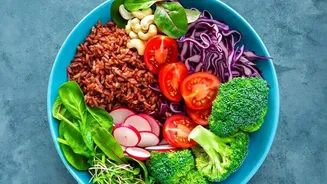
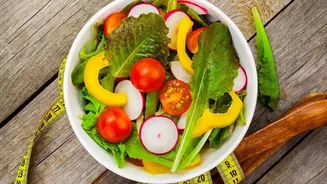
Putting portion awareness into practice can be simple. One of the most effective tricks is to use a smaller plate, which naturally helps control how much food you serve yourself. When at a party or gathering, try to do a visual scan of all the options before filling your plate. Prioritise one or two festive dishes you truly love rather than sampling everything. Another smart tactic is to fill half your plate with lighter options like salads or vegetables first. This fibre base helps you feel full with fewer calories. If you know you are heading to a big dinner, have a small, healthy snack like a banana, a handful of nuts, or a bowl of yoghurt beforehand. This prevents you from arriving ravenous and overindulging on starters.
Listen to What Your Body is Telling You
Mindful eating is a conversation with your body. During the hustle of festivals, it's easy to eat quickly and ignore signals of satiety. Make a conscious effort to eat slowly and chew your food thoroughly. This not only aids digestion but gives your brain the time it needs to register that you are full. Pay attention to how you feel. Are you satisfied and comfortable, or are you uncomfortably stuffed? Learning to stop when you are pleasantly full is a key skill for long-term health. If you feel sluggish or bloated after a meal, it's a sign from your body that you might need to moderate your portions next time.
Holistic Health: Beyond Just the Food
While food is a major focus, overall wellness during the festive season involves more. Staying hydrated is crucial; often, our bodies mistake thirst for hunger. Sipping water throughout the day can prevent mindless snacking and aid digestion. Try to balance celebratory drinks with glasses of water. Don't let your entire routine fall by the wayside. While long gym sessions may not be feasible, try to incorporate some form of movement, like a post-meal walk. Prioritising sleep is also important, as late nights can disrupt hormones that regulate appetite. A holistic approach ensures you stay energised and feeling your best throughout the celebrations.