




Breaking the Guilt Cycle
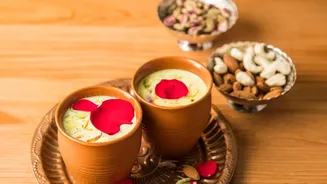
For years, the festive season in India has been synonymous with a predictable pattern: indulge, regret, repeat. Lavish spreads are central to celebrations like Diwali, Eid, and Christmas, where food symbolises love, tradition, and community. This often
involves an abundance of rich, fried, and sugary delicacies that are hard to resist. The aftermath, for many, is a heavy feeling of guilt, which can lead to counterproductive measures like extreme dieting or skipping meals to “compensate.” Health experts point out that this all-or-nothing approach is not only unsustainable but also damaging to our relationship with food. Starving yourself before a party often backfires, leading to intense hunger and overeating. This creates a stressful cycle where food, meant to be a source of joy, becomes a source of anxiety.
A New Mindset: Mindful Indulgence
A more compassionate and sustainable approach is gaining traction, championed by nutritionists and a more health-aware generation. This new conversation is not about restriction but about mindfulness. The goal is to detach food from negative emotions like guilt and embrace it as an integral part of the celebration. The key idea is that consistency over perfection is what truly matters for long-term health. A few days of festive eating will not derail months of healthy habits. This shift is supported by trends showing a growing consumer demand for healthier options, such as bite-sized sweets and dishes made with better ingredients, allowing for controlled indulgence. Experts are moving the focus from 'good' vs. 'bad' foods to an overall balanced and positive approach to eating. It’s about being present, savouring each bite, and listening to your body’s cues.
Savouring the Feast Without Fear
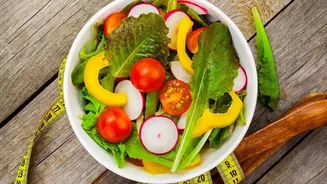
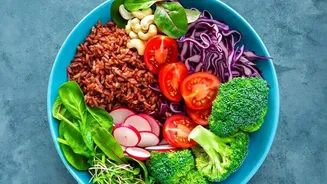
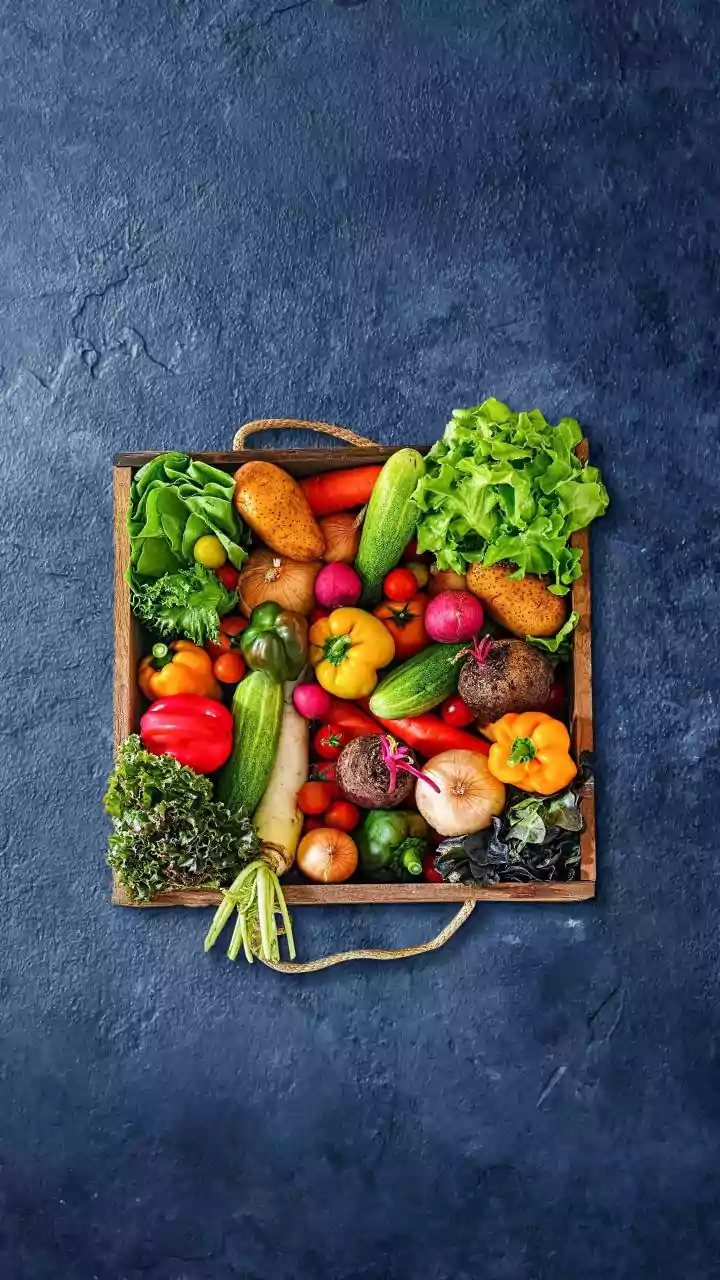
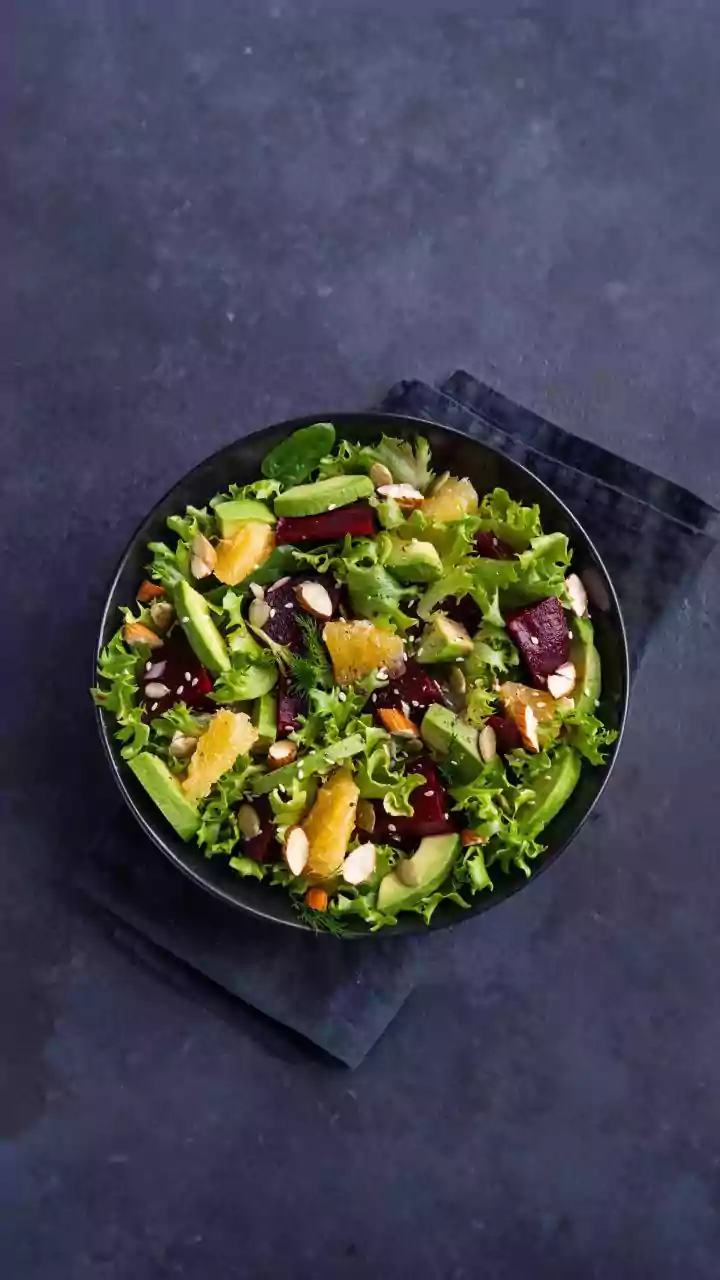
Putting mindful indulgence into practice doesn't require complex rules. One of the most effective strategies is portion control. Nutritionists suggest using smaller plates and taking smaller servings, which allows you to enjoy a variety of dishes without over-consuming. Another popular technique is the ‘plate method’: fill half your plate with vegetables or salad, a quarter with a protein source like dal or paneer, and the final quarter with carbohydrates like rice or roti. This ensures you get essential nutrients that help you feel full, making you less likely to overdo it on heavier items. Eating slowly and paying attention to the flavours and textures also gives your brain time to register that you are full, preventing that overstuffed feeling.
Smart Choices at the Table
Embracing a guilt-free festive season also involves making smarter, not stricter, choices. Instead of banning your favourite treats, dietitians recommend enjoying them in moderation. You can also make simple, healthier swaps. Opt for baked or air-fried versions of snacks like samosas and pakoras instead of deep-fried ones. When it comes to sweets, consider those made with natural sweeteners like jaggery or dates, or simply have a smaller piece of your favourite mithai. Staying hydrated is another simple yet powerful tool; drinking plenty of water can prevent you from mistaking thirst for hunger. Finally, remember to stay active. It doesn't have to be an intense workout; a simple walk with family can aid digestion and boost your mood, making the festivities even more enjoyable.