



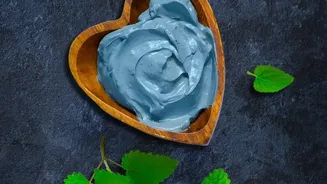

The idea of smoothing a rich, decadent chocolate mask on your face sounds like the ultimate self-care treat. But what if that blissful moment leads to redness and irritation? The culprit is often not the chocolate itself.
The Allure of the Chocolate Mask
It's easy to see the appeal. Chocolate,
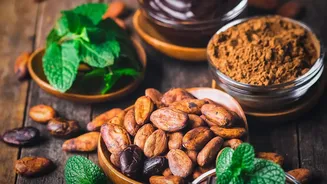
specifically dark chocolate and pure cocoa powder, is packed with beneficial compounds. Rich in antioxidants like flavonoids and polyphenols, cocoa can help protect the skin from damage caused by environmental stressors and UV light. Studies have shown these compounds can improve skin hydration, boost blood flow, and may even offer anti-inflammatory benefits. For these reasons, cocoa has become a celebrated ingredient in the wellness world, promising a glowing complexion and a delightful sensory experience. When you see a chocolate face mask, you're not just thinking of a treat; you're thinking of nourishing your skin with powerful, natural goodness. But the full ingredient list tells a more complex story.
When 'Natural' Doesn't Mean Gentle
The problem rarely lies with the cocoa itself, which is generally well-tolerated. Instead, the irritation often stems from other ingredients added to the formula to create a certain texture, scent, or effect. This is true for both commercial products and popular DIY recipes. Many 'natural' additives sound harmless but are known to be potent skin irritants for many people. The blissful chocolatey scent can easily mask the presence of ingredients that your skin might not find so sweet.
Hidden Irritants in Commercial Masks
On the shelf, a chocolate mask can contain a long list of ingredients. The most common triggers are fragrances and essential oils. While 'natural fragrance' sounds better than 'synthetic,' your skin often can't tell the difference. Essential oils are complex cocktails of volatile molecules that can cause contact dermatitis, leading to redness, itching, and rashes. Citrus oils (like lemon and bergamot), lavender, peppermint, and cinnamon are frequent offenders. These oils can also become more sensitizing over time as they are exposed to air. Other potential irritants in pre-packaged masks can include certain preservatives, alcohols that dry out the skin, and physical exfoliants like sugar or salt crystals with jagged edges that can cause micro-tears.
The Dangers of DIY Recipes
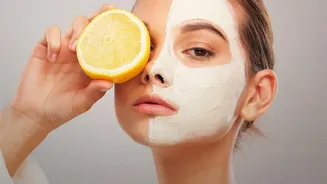
Whipping up a mask in your own kitchen seems like the safest bet, but many online recipes suggest ingredients that have no place on your face. Lemon juice is a common additive in DIY masks, but its high acidity can disrupt the skin's natural pH barrier, leading to severe irritation and increased sun sensitivity. Spices like cinnamon and nutmeg, often added for their aroma, are also well known skin irritants that can cause burning and redness. Even seemingly benign ingredients like milk or yogurt can be problematic for those with a dairy sensitivity or allergy, which can manifest as skin issues. Without the precise formulation of a cosmetic chemist, it's easy to create a mixture that does more harm than good.
How to Indulge Safely
This doesn't mean you have to give up on your chocolatey skincare. The key is to be a savvy consumer. First, always perform a patch test. Apply a small amount of the product to a discreet area, like behind your ear or on your inner wrist, and wait 24–48 hours to see if a reaction develops. When buying a commercial mask, look for a short ingredient list. Opt for products labeled 'fragrance free' rather than 'unscented,' as the latter can contain masking fragrances that are just as irritating. If you choose to go the DIY route, stick to simple, proven ingredients. A basic paste of high quality, unsweetened cocoa powder and water, or mixed with a gentle humectant like honey or glycerin, can provide the antioxidant benefits without the added risk. Listen to your skin; if it feels tingly, itchy, or tight, wash the mask off immediately.