






What Exactly Is Being Proposed?
The Food Safety and Standards Authority of India (FSSAI) has issued draft amendments that specify Maximum Residue Limits (MRLs) for two commonly used pesticides in tea cultivation. The proposal, published in the Gazette of India on October 16, 2026, sets
a limit of 20 milligrams per kilogram (or parts per million) for Acetamiprid and 50 mg/kg for Imidacloprid. An MRL is the highest legally permitted concentration of a pesticide residue in a food item. It serves as a regulatory benchmark for authorities to monitor safety and enforce compliance, rather than an indicator of immediate health risk. These are currently draft regulations and have not yet been finalised.
The Chemicals Under Scrutiny
Acetamiprid and Imidacloprid are insecticides used by farmers to protect crops, including tea plants, from damaging pests. Their use is crucial for maintaining agricultural productivity and minimising crop losses. However, concerns about their potential long-term health effects when residues are consumed have prompted regulatory bodies worldwide to establish clear safety limits. The proposed FSSAI rules aim to create a clear, science-based framework that balances the practical needs of agriculture with the paramount importance of consumer safety.
Aligning With Global Standards
This move is part of a broader effort by the FSSAI to modernise its food safety regulations by reviewing scientific data and international best practices. The proposed limit for Imidacloprid, for instance, has been formulated with reference to the international Codex standards, which act as a global benchmark for food safety. Notably, the proposed MRL for Acetamiprid (20 ppm) is stricter than the limits currently in place in Japan (30 ppm) and the United States (50 ppm). By aligning with and, in some cases, exceeding international standards, India aims to bolster consumer confidence both at home and in crucial export markets.
Impact on the Tea Industry
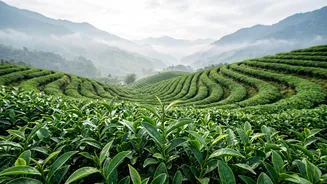
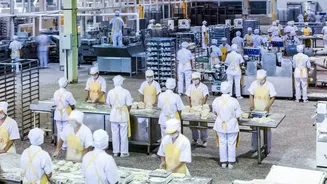
For India's vast tea industry, the new regulations will provide greater clarity and a uniform standard to adhere to. The Tea Board of India has long advocated for the judicious use of plant protection products to comply with national and international food safety standards. However, adapting to stricter MRLs can pose challenges, particularly for smaller growers who may lack the resources and technical expertise to implement advanced pest management practices. The regulations will require diligent monitoring throughout the supply chain, from the plantation to the processing factory, to ensure compliance. This move is seen as essential for securing the long-term sustainability and competitiveness of Indian tea on the world stage.
What This Means for Your Daily Chai
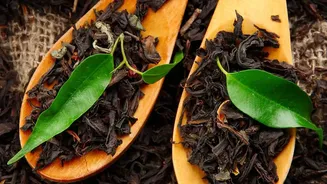
For the average tea drinker, these proposed regulations are a positive step towards ensuring the long-term safety of their daily cup. The establishment of clear MRLs allows for more effective monitoring and enforcement, creating a stronger safety net for consumers. Health experts note that while the limits are important, it's also crucial to assess how much of these chemicals actually transfers into the brewed beverage. The presence of a residue below the legal limit does not automatically imply a health risk. Ultimately, the goal of these draft rules is to formalise and strengthen the standards that protect consumers, ensuring that every cup of Indian tea is not just flavourful but also safe.