





The TikTok-to-Checkout Pipeline
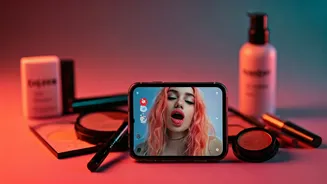
The single biggest shift in beauty discovery can be traced to one platform: TikTok. For Gen Z, beauty discovery is no longer a deliberate search but a passive, algorithm-led experience. Short-form videos, from user-generated reviews to influencer tutorials,
have become the primary engine of what's often called "social commerce." In 2024, beauty and personal care were the top-selling categories on TikTok Shop. The platform’s influence is so profound that the hashtag #TikTokMadeMeBuyIt has billions of views, turning products viral overnight and driving huge sales spikes. This has created a seamless funnel from passive viewing to impulse buying, with many users feeling inspired to shop directly within the app.
Authenticity Is the New Authority
Unlike previous generations who trusted brand names and celebrity endorsements, Gen Z places its faith in peer reviews and unfiltered content. Authenticity is their core value, and they can quickly spot when marketing feels forced or dishonest. This has led to the rise of "skinfluencers" and micro-influencers who build trust by offering genuine opinions and detailed ingredient breakdowns. Research shows that Gen Z trusts these content creators far more than traditional ads, with a significant majority purchasing products based on influencer recommendations. For brands to succeed, they must be transparent, show the human side of their business, and engage in real conversations, as Gen Z expects to be part of the brand narrative.
The Smart Appeal of 'Dupe' Culture
Driven by financial savvy, Gen Z has championed "dupe" culture—the practice of finding affordable alternatives to high-end luxury products. This isn't about buying counterfeits; it's about finding products that deliver similar performance without the premium price tag. More than two-thirds of Gen Z and millennials use dupes to save money. TikTok is the primary engine for this trend, with countless videos comparing a high-end blush or primer to its much cheaper look-alike. Brands like e.l.f. Cosmetics have built a business model around creating high-quality, affordable alternatives to popular prestige items, resonating deeply with a generation that prizes value as much as performance.
Values Over Vanity
For Gen Z, a great product is not enough. They are conscious consumers who expect brands to align with their values. Inclusivity, sustainability, and ethical practices are not just nice-to-haves; they are core drivers of purchasing decisions. This generation is ingredient-savvy, often researching product formulations before buying and showing a preference for "clean" and science-backed claims. They are more likely to support brands that demonstrate a genuine commitment to social and environmental causes. This shift means brands are now held accountable not just for the quality of their products, but for their impact on the world.
A New Playbook for India
This global trend is rapidly reshaping the Indian market. Gen Z shoppers now account for nearly 60 percent of beauty purchases on platforms like Flipkart, driving a 50 percent year-on-year growth in the category. By 2030, Gen Z is projected to command a significant share of India's beauty market, which is expected to almost double to around $40 billion. This growth is not just in metros; two out of three beauty-related searches on Flipkart now come from non-metro areas. Indian Gen Z consumers prioritize ingredient-led formulations, holistic wellness, and have a growing interest in men's grooming, with searches for men's skincare routines surging.