






The Hidden Cost of a Single Day
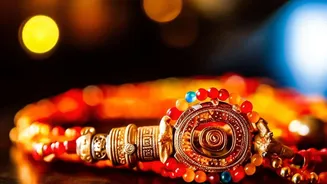
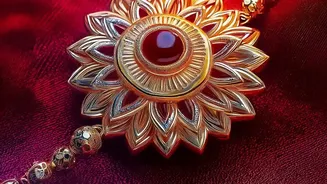
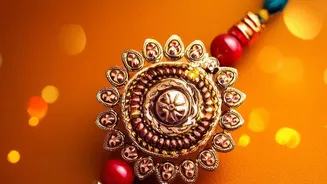
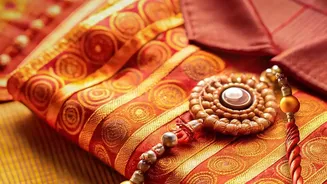
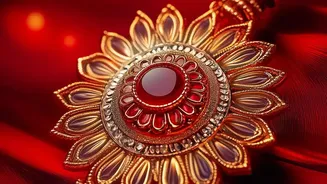
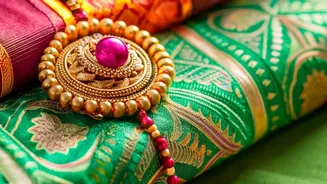
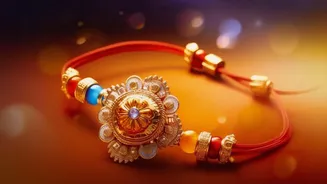
Every year, the festival of Raksha Bandhan brings immense joy, but it also leaves behind a trail of waste. Many traditional Rakhis are made from non-biodegradable materials like plastic beads, synthetic threads, glitter, and chemical adhesives. These
materials can take hundreds of years to break down, contributing to landfill and water pollution. When millions of these single-day tokens are discarded, the environmental impact adds up significantly. The chemicals from synthetic dyes can also be harmful, posing risks as they seep into the environment. This reality has prompted a shift towards more mindful celebrations, leading to the rise of eco-friendly alternatives that honour both tradition and the planet.
A Rakhi with a Second Life
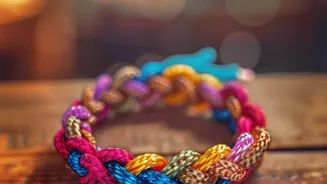
Enter the seed bead Rakhi, a beautiful and innovative solution. These Rakhis are thoughtfully designed using entirely biodegradable materials. The threads are often made of hand-spun organic cotton, jute, or silk, coloured with natural dyes. The centerpiece, which looks like a bead or decorative element, is typically made from recycled paper pulp or natural clay. Embedded within this centerpiece are the seeds of flowers, herbs, or vegetables like marigold, basil (tulsi), tomato, or coriander. Instead of being thrown away, the entire Rakhi is designed to be planted after the festival, giving it a second life.
From a Sibling's Wrist to a Blooming Plant
The transition from a cherished Rakhi to a living plant is a simple yet meaningful process. After the celebration, you don't need to separate the parts. The entire seed-bearing portion of the Rakhi can be placed in a pot filled with soil. After covering it with a thin layer of soil and watering it gently, you can place the pot in a spot with indirect sunlight. Within about 7 to 14 days, the first sprouts begin to appear. The biodegradable paper or clay base naturally decomposes into the soil, leaving only the growing plant. This simple act transforms the Rakhi from a temporary symbol into a lasting, living reminder of the sibling bond that continues to grow and flourish.
Beyond the Pot: The Broader Green Impact
The benefits of choosing a seed Rakhi extend far beyond a single potted plant. On a larger scale, this choice directly reduces plastic waste and pollution. By opting for biodegradable materials, we prevent tonnes of non-recyclable waste from ending up in landfills and oceans. Furthermore, planting these Rakhis promotes biodiversity, even in urban areas. The resulting plants can help purify the air and provide a habitat for pollinators like bees and butterflies. It’s a small change that, when adopted by many, sends a powerful message that sustainable choices matter and inspires a wider awareness of eco-friendly practices during festivals.
A Thread That Connects More Than Siblings
The positive impact of seed Rakhis often includes a social dimension. Many of these eco-friendly Rakhis are handcrafted by local artisans and women's self-help groups across India. Choosing to buy these products helps support small-scale businesses, preserves traditional craftsmanship, and provides livelihood opportunities, particularly in rural communities. This adds another layer of meaning to the festival, connecting the celebration of a personal bond to the well-being of a larger community. It ensures that your celebration contributes positively not just to the environment, but to the lives of the people who create these thoughtful products.