





What is the Vande Bharat Sleeper?
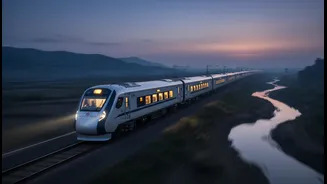
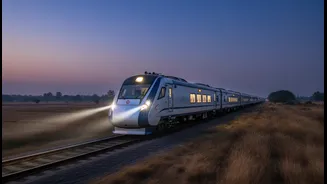
Following the success of the Vande Bharat Express chair cars, Indian Railways is expanding the fleet to include a sleeper version designed for long-distance overnight routes, typically between 800 and 1,200 kilometres. The first prototype, built by BEML,
was rolled out in late 2024, with the inaugural commercial service launching in January 2026 between Howrah and Kamakhya. Unlike traditional locomotive-hauled trains, these are self-propelled trainsets, which allow for faster acceleration and deceleration, ultimately reducing travel time. Each 16-coach train is designed to carry 823 passengers across three classes: First AC, Second AC, and Third AC. The goal is to provide a faster, more comfortable, and modern alternative to existing long-distance trains like the Rajdhani Express.
A New Benchmark for Comfort and Style
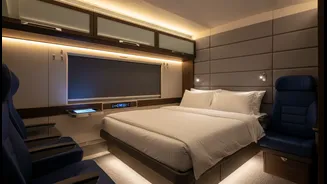
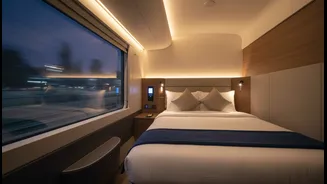
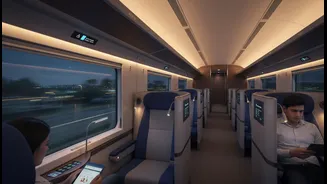
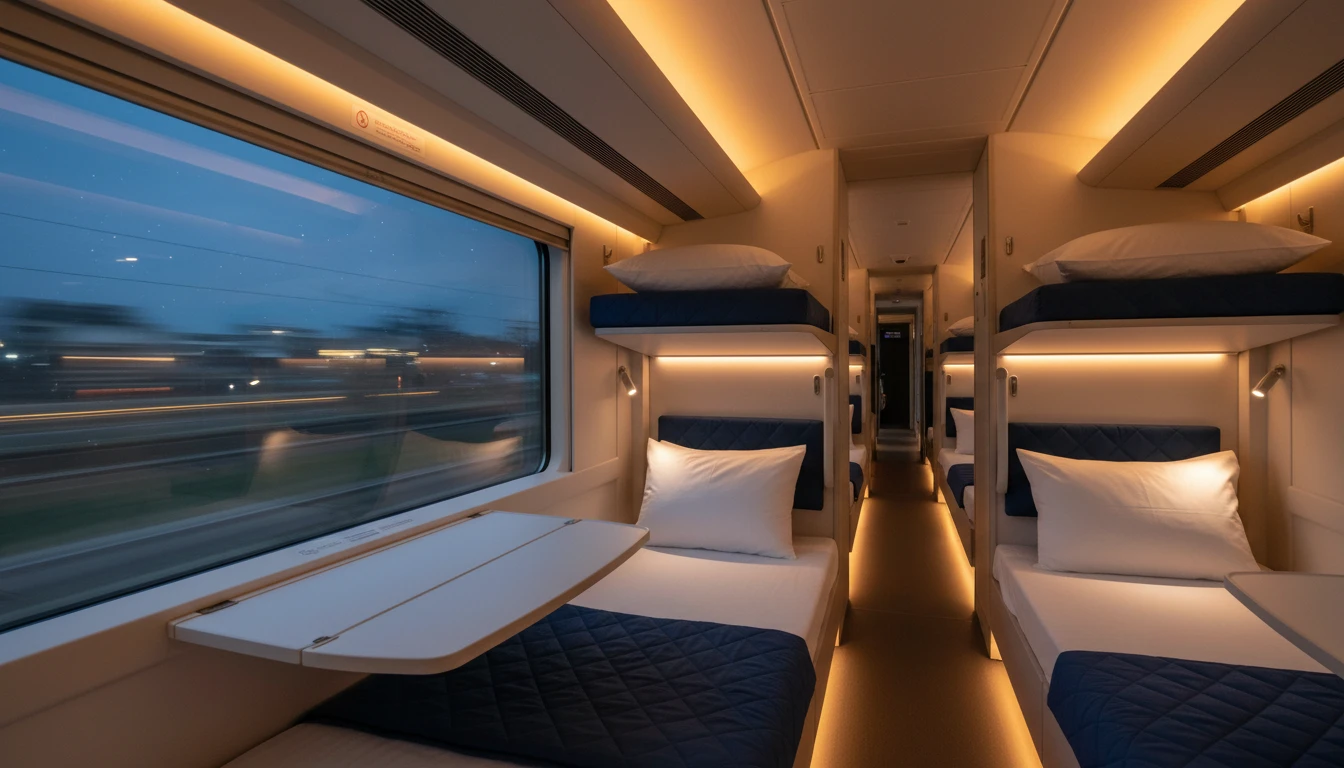
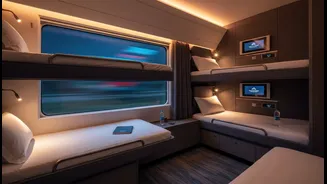
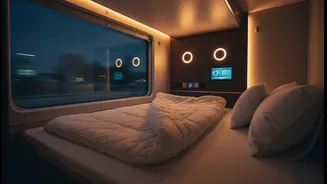
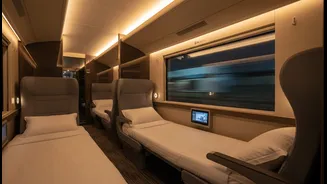
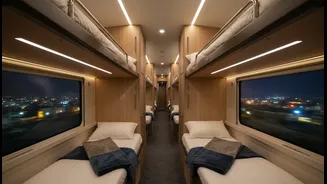
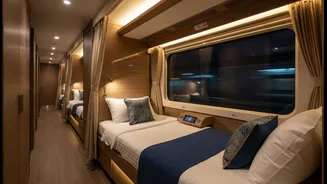
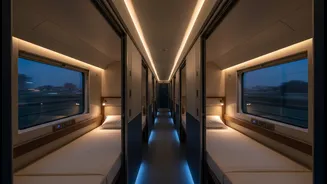
The interiors of the Vande Bharat sleeper are where the real change is felt. The design philosophy focuses on passenger comfort and creating a superior travel environment. Berths are engineered to be wider and better cushioned for better spine support. Each berth comes equipped with its own reading light and charging ports. The coaches feature improved soundproofing for a quieter journey, sensor-based lighting in common areas, and automatic doors for enhanced safety and climate control. The bio-vacuum toilets are equipped with odour-control systems and touchless faucets, while First AC passengers have the exclusive amenity of onboard hot showers, a first for Indian Railways. The overall aesthetic, with its warm lighting and thoughtfully designed cabins, has been compared by some travellers to a boutique hotel on wheels.
Connecting Hubs and Creating Weekend Warriors
The strategic rollout of Vande Bharat sleepers is poised to change how people approach travel. By connecting major economic and cultural hubs with efficient overnight services, these trains make weekend trips to new cities more feasible than ever. A passenger can board a train on a Friday night and wake up in a new city on Saturday morning, ready to explore. The first service already connects eastern and northeastern India. The second route, between Varanasi and Chheharta (Amritsar), was flagged off in July 2026. A highly anticipated service connecting India's financial capital, Mumbai, with its tech hub, Bengaluru, is also on the cards, with trainsets already stationed in Bengaluru for trials. This route is expected to reduce travel time significantly compared to existing services. Other proposed routes include connections from Tatanagar to Mumbai and Varanasi, and from New Delhi to major cities like Mumbai and Srinagar.
The Technology Driving the Change
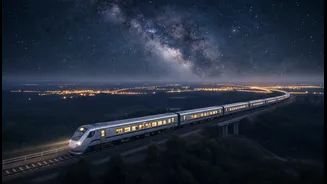
The Vande Bharat sleeper is not just a cosmetic upgrade; it's a technological leap. The trainsets can reach a maximum speed of 180 km/h, though operational speeds are capped at 160 km/h due to track limitations. The aerodynamic design and distributed power system, with motors in alternate coaches, allow for quick turnarounds at terminal stations since there is a driver cabin at both ends. Safety is also a key component, with the indigenous 'Kavach' anti-collision system integrated into the trains. These technological advancements work in concert to provide a journey that is not only faster but also smoother and safer, reducing the jerks and sounds common in conventional trains.
The Future of Overnight Travel
The introduction of the Vande Bharat sleeper marks a pivotal moment for Indian Railways and for travellers. The strong demand for initial services, with tickets for the inaugural run selling out rapidly, shows a clear public appetite for premium and efficient rail travel. These trains offer a compelling alternative to short-haul flights, saving passengers the hassle of airport procedures while providing a comfortable night's rest. While some production timelines have seen delays, the commitment to expanding the network remains strong. This new era of sleeper trains is about more than just getting from point A to B; it's about making the journey itself a pleasant and integral part of the travel experience, potentially reshaping leisure and business travel patterns across the nation for years to come.