



What Exactly is Sattu?
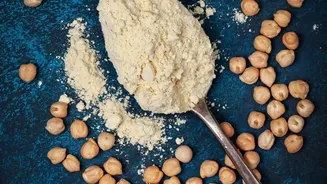
Sattu is a flour made from roasted Bengal gram (chana). For centuries, it has been a dietary cornerstone in states like Bihar, Jharkhand, Uttar Pradesh, and West Bengal, often called the “poor man’s protein” for its affordability and high nutritional
value. The traditional process involves dry-roasting the grams, which imparts a unique nutty flavour and, more importantly, makes the nutrients easier for the body to absorb. Unlike besan (gram flour), which is made from raw chickpeas, sattu is made from roasted ones, meaning it can be consumed without cooking, making it an incredibly convenient food.
The Nutritional Powerhouse
The buzz around sattu in fitness circles is backed by solid nutritional science. It is exceptionally rich in plant-based protein, with approximately 20-25 grams per 100-gram serving, rivaling many commercial protein powders. This protein is crucial for muscle repair and growth, especially after a workout. Beyond protein, sattu is an excellent source of dietary fibre, which aids digestion, promotes a feeling of fullness, and helps manage weight by curbing unhealthy cravings. It is also packed with essential minerals like iron, magnesium, and calcium, which are vital for energy levels and overall health.
From Rural Staple to Modern Superfood
So, why the sudden surge in popularity? Sattu’s low glycemic index is a major factor. It provides a slow, sustained release of energy rather than a quick sugar spike, making it perfect for pre-workout fuel or to avoid that mid-day slump. This quality also makes it a suitable food for people managing blood sugar levels. Fitness enthusiasts are increasingly turning away from highly processed supplements in favour of whole, natural foods. Sattu fits this trend perfectly—it's gluten-free, natural, and free from artificial additives. Its ability to cool the body also makes it a popular choice, especially as a post-workout drink to rehydrate and replenish nutrients.
Crafting Your Perfect Sattu Fitness Bowl
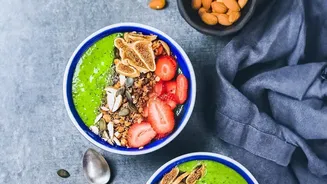
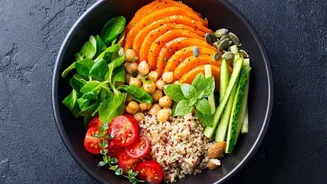
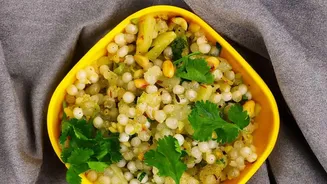
The “fitness bowl” is a modern take on the traditional ways of eating sattu, turning it into a thick, porridge-like meal. Creating one is simple and requires no cooking. Start by taking 4-5 tablespoons of sattu powder in a bowl. Slowly add water or milk (dairy or plant-based) while whisking continuously to avoid lumps, until you achieve a thick, creamy consistency similar to a smoothie bowl. From here, you can customize it. For a sweet bowl, mix in jaggery, honey, or mashed banana. Top it with fresh fruits, nuts, and seeds like chia or pumpkin for extra texture and nutrients. For a savoury version, mix the sattu paste with yogurt or buttermilk, a pinch of black salt, roasted cumin powder, and finely chopped onions and coriander. This versatile base can be adapted to your taste and nutritional needs, making it a quick and satisfying meal for breakfast or after a workout.
More Than Just a Bowl
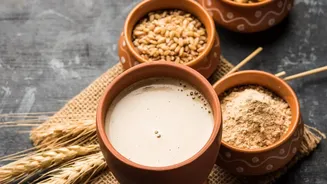
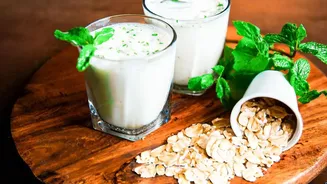
While the fitness bowl is gaining traction, the most classic way to consume sattu is as a refreshing drink. The savoury version, known as 'sattu sharbat', involves mixing the flour with water, lemon juice, black salt, and roasted cumin—a perfect natural electrolyte drink. Sweet versions are made with jaggery and water. Beyond drinks and bowls, sattu is also used to make nutritious parathas, litti (a traditional Bihari dish), and even energy balls by mixing it with ghee and jaggery. This versatility allows you to easily incorporate its benefits into various meals throughout the day.