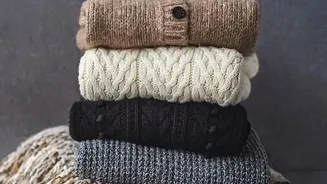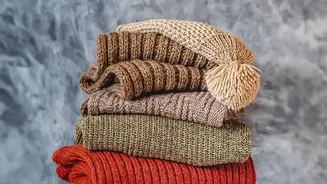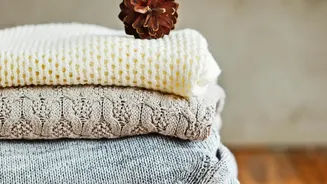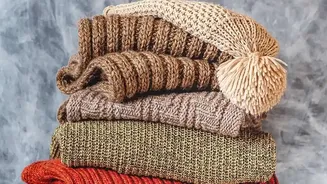






As warmer days arrive, the ritual of packing away our cosy woollens begins. Proper storage is the secret to ensuring your favourite sweaters and shawls emerge next winter just as beautiful as you remember them, free from damage or distortion.
Start with a Clean Slate
The single
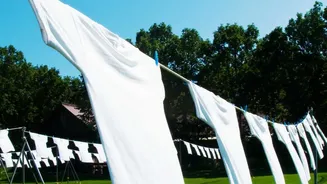
most important rule of storing wool is to ensure every item is clean. Never store woollens that have been worn, even just once. While they may look clean, invisible body oils, sweat, and microscopic food particles are a feast for pests like clothes moths. It's these residues, not the clean wool itself, that attract them. Before packing anything away, either hand wash, machine wash on a delicate cycle with a wool-specific detergent, or dry-clean your garments, always following the care label. Ensure every piece is completely and thoroughly dry before it goes into storage, as even a little dampness can lead to mildew and musty odours.
The Art of the Fold
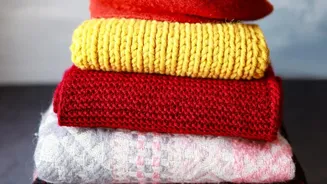
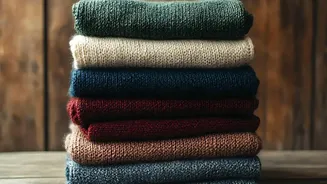
Hangers are the enemy of knitwear. Storing heavy wool sweaters and cardigans on hangers is a common mistake that leads to stretched-out shoulders and distorted necklines. Gravity will pull the fabric down, permanently altering its shape. The correct method for almost all woollen knitwear is to fold it flat. A simple fold is sufficient; lay the sweater face down, fold the arms in, and then fold the body in half. For bulky knits, you can place a layer of acid-free tissue paper in the fold to prevent a hard crease from forming over the months. The only exceptions are structured wool coats and jackets, which should be stored on wide, padded hangers to support their shape.
Choose Your Container Wisely
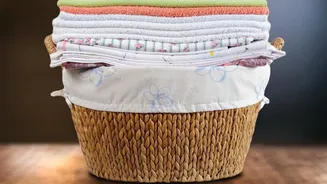
Wool needs to breathe, so your choice of container is crucial. The best options are breathable containers like canvas bins or cotton storage bags. These allow air to circulate, which prevents moisture from getting trapped while still protecting your clothes from dust. While airtight plastic bins might seem like a good defence against moths, they carry the risk of trapping residual moisture, which can cause fibres to yellow or develop mildew. If you must use plastic, ensure the contents are bone-dry and consider adding silica gel packets to absorb any humidity. Avoid cardboard boxes, as they can attract pests and their acidic material can damage fabric over time. Also, steer clear of vacuum-sealed bags for long-term storage; the compression can crush and permanently flatten delicate wool fibres.
An Ounce of Pest Prevention
Forget the pungent, chemical-laden mothballs of the past. Natural repellents are a safer and more pleasant way to deter pests. Clothes moths dislike the strong scents of certain botanicals. Cedar is a classic and effective choice; you can use cedar blocks, rings, or balls in your storage containers. Sachets filled with dried lavender, cloves, or rosemary also work well to make the environment unattractive to moths. In India, placing dried neem or bay leaves between the folds is another traditional and effective method. Remember that the scent of natural repellents fades over time, so you may need to refresh them by lightly sanding cedar blocks or adding a few drops of essential oil to sachets mid_season.
Location, Location, Location
Where you store your containers is just as important as what is inside them. The ideal environment for storing wool is cool, dark, dry, and well‑ventilated. Moths and mildew thrive in warm, humid, and undisturbed places. Avoid storing your woollens in damp basements, hot attics, or garages where temperatures and humidity can fluctuate dramatically. A better spot is at the top of a wardrobe, in a clean spare room, or under a bed in a climate‑controlled part of the house. It’s also a good practice to check on your stored items once or twice during the off‑season. Briefly open the containers to let the clothes air out and inspect for any signs of trouble, which can prevent a small issue from becoming a major problem.