



Fabric Is Your Foundation
The single most important decision you'll make during the monsoon is your choice of fabric. Heavy materials that absorb water are your worst enemy. Denim and thick cottons can take hours, or even days, to dry in the humid air, leaving you feeling damp
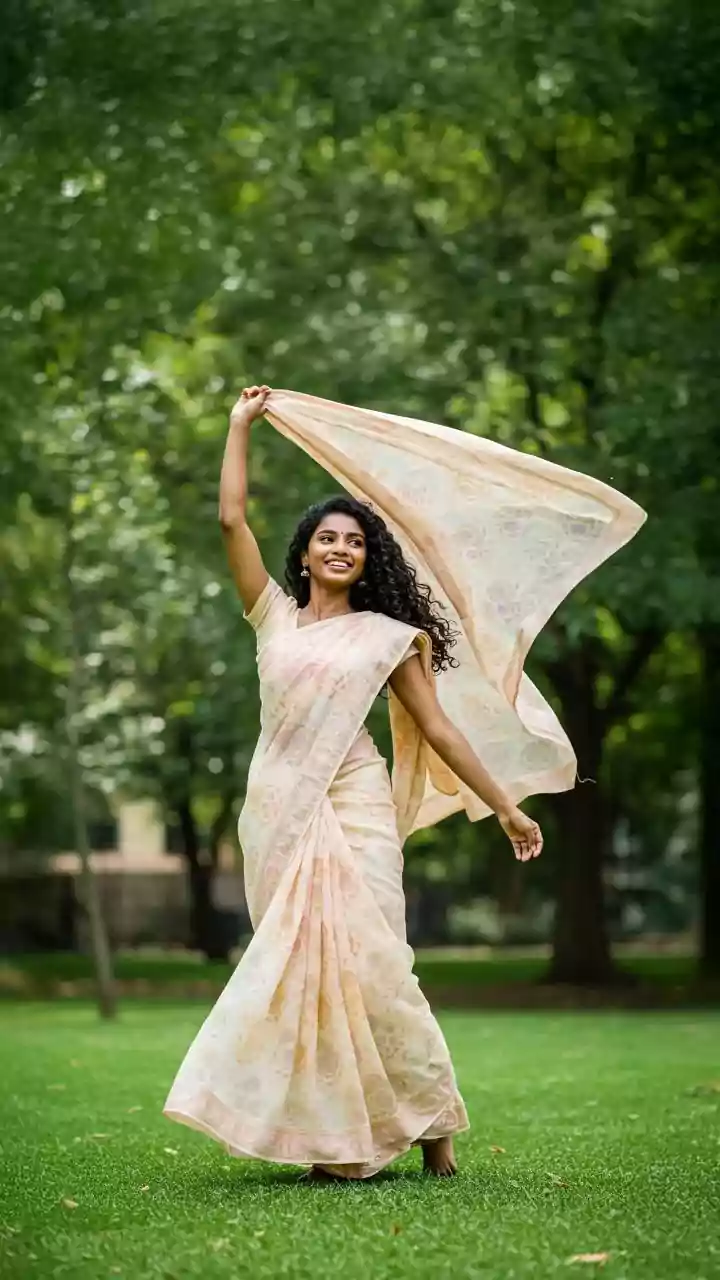
and uncomfortable. Instead, opt for lightweight and quick-drying fabrics. Cotton-polyester blends are an excellent choice as they dry faster than pure cotton while remaining breathable. For Indian wear, fine cotton, often called muslin, is a classic for a reason; it's light and doesn't become transparent easily. Crepe, rayon, and synthetic georgette are also fantastic options, as they resist wrinkling, dry quickly, and don't cling to the body when damp. Many modern ethnic wear brands now offer kurta sets in these practical materials.
Raise Your Hemlines Strategically
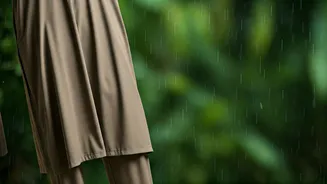
Long, flowing trousers, skirts, and palazzos that drag on the ground are a guaranteed way to soak up dirty puddle water. The solution is to shorten the length of your bottom wear. Ankle-length or cropped trousers are your best friend during these months. For both Indian and Western workwear, styles like cigarette pants or straight-cut trousers are ideal because they don't have excess fabric to catch water. If you prefer skirts or dresses, opt for knee-length or midi styles to keep your hems safely away from splashes. When wearing ethnic suits, swap out voluminous salwars for more fitted churidars or leggings that end at the ankle.
Rethink Your Colour Palette
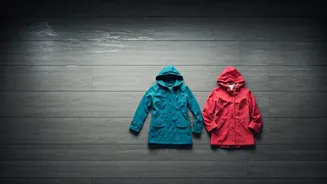
While summers are for whites and pastels, the monsoon calls for a darker, more practical palette. Light colours like white, cream, and beige show every single splash and water mark. Instead, embrace deeper shades like navy blue, charcoal, black, and olive green. These colours are adept at hiding mud splashes and water spots from a difficult commute, ensuring you arrive at the office looking polished. If you want to add some cheer to a grey day, choose jewel tones like teal or burgundy, or opt for busy prints where water marks are less visible.
Choose Smart, Water-Resistant Footwear
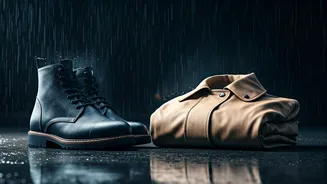
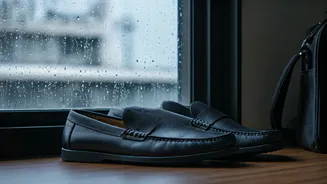
Leather and suede shoes are a definite no during the rainy season, as water can cause them to spoil and develop fungus. The key is to find footwear that is both waterproof and office-appropriate. Jelly shoes, rubber sandals, and waterproof floaters with a good grip are excellent for the commute. However, these may not fit a formal office dress code. The best strategy is to keep a dedicated pair of professional shoes at your desk—like neutral heels or loafers—and wear your rain-friendly footwear for the journey. For days with lighter rain, water-resistant flats or closed shoes made of materials like EVA or PU can work for all-day wear.
Accessorise for the Elements
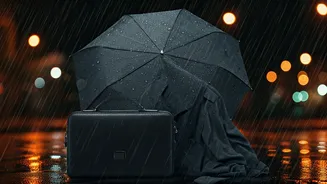
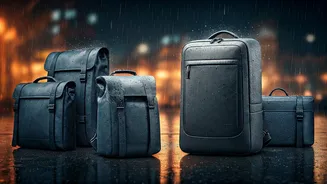
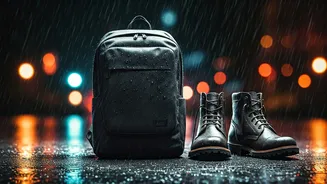
Your accessories also need a monsoon-ready update. A sturdy, waterproof bag is non-negotiable to protect your laptop, phone, and important documents from a sudden downpour. Consider replacing long, difficult-to-manage dupattas with lighter scarves or stoles made from quick-drying fabrics. When it comes to jewellery, it's wise to avoid oxidised metal, which can tarnish from the moisture, or wooden pieces that can develop fungus. Simple gold, silver, or resin jewellery is a safer bet. Lastly, invest in a vibrant, sturdy umbrella that can withstand the wind and add a pop of colour to your look.
Assemble an Office Survival Kit
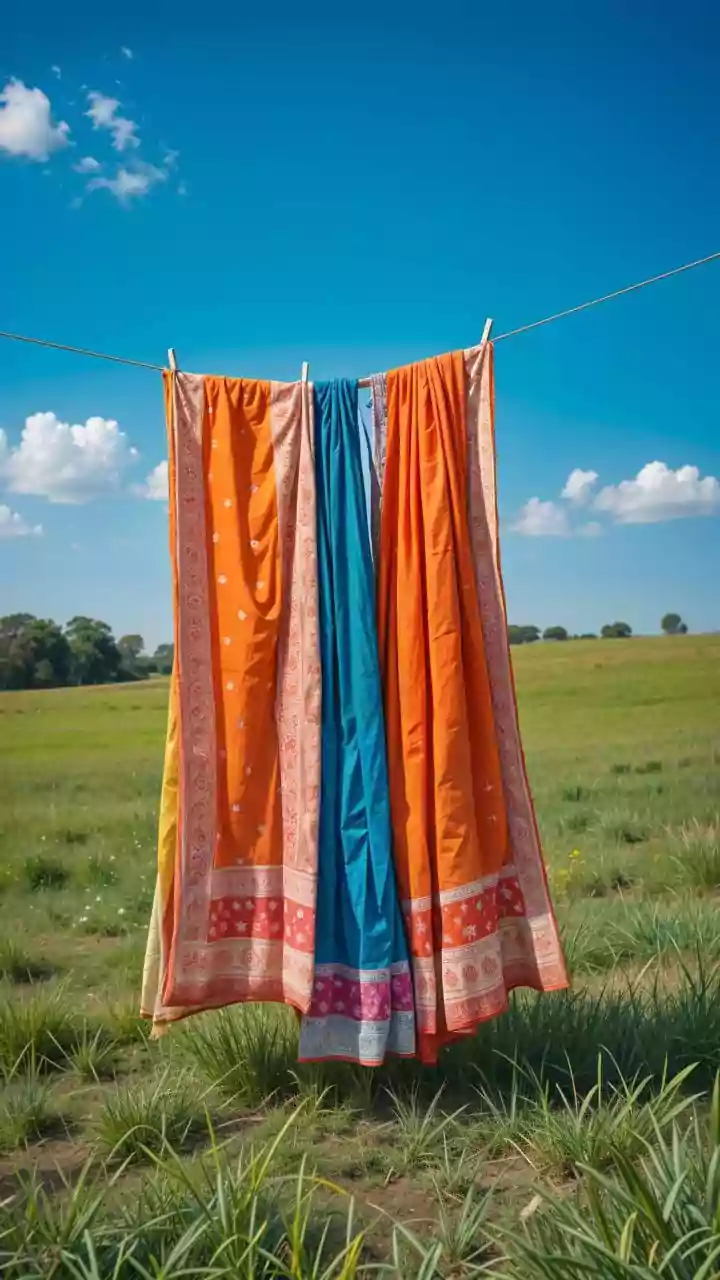
Even with the best planning, some days you're bound to get caught in the rain. Having a small survival kit at your desk can be a lifesaver. Include a small, quick-dry towel, a comb or hairbrush to fix frizzy hair, and essential makeup for touch-ups. It’s also wise to keep a complete backup outfit at the office, including everything from a fresh shirt to trousers. This ensures that even on the worst days, you won't have to sit through meetings feeling damp and unprofessional. Hanging any wet clothes properly to allow for air circulation will help them dry faster and prevent musty smells.