





The Psychology of a Warm Hug
There's a scientific reason we reach for comforting foods when the weather turns gloomy. Rainy days, with their lack of sunlight, can lead to a dip in serotonin, the body's 'feel-good' hormone. [21, 23, 24] This can leave us feeling a bit low or tired.
[6] Our brain, in its quest to restore balance, starts craving carbohydrates, sugars, and fats. [4, 23] These foods can trigger the release of dopamine, a neurotransmitter associated with pleasure and satisfaction. [4, 17] A warm dessert acts as more than just a treat; it's a form of self-care, a psychological anchor providing a sense of security and familiarity when the world outside feels chaotic. [3, 10] The act of eating something warm and sweet becomes a hug in a bowl, temporarily elevating our mood and making us feel content. [17]
A Contrast to the Damp and Cold
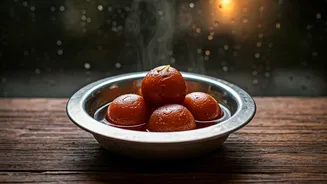
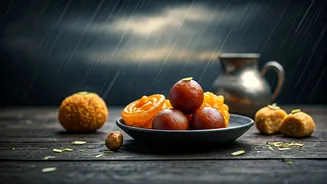
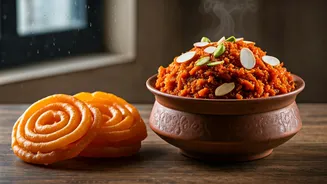
The monsoon brings a welcome respite from the scorching summer heat, but it also ushers in a pervasive dampness and chill. Eating warm food is a simple, effective way to regulate our internal body temperature, making us feel cozier from the inside out. [20, 6] The sensory contrast between the cool, humid air and the comforting heat of a dessert is deeply satisfying. [7] Think of the steam rising from a bowl of *gajar ka halwa* or the gooey center of a freshly made gulab jamun. [22, 15] This warmth feels soothing and provides a feeling of safety and contentment that a cold snack simply can't match on a rainy evening. [6, 7]
Echoes of Tradition and Nostalgia
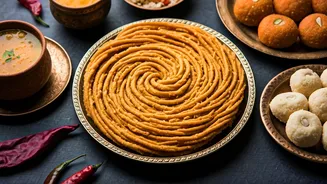
For many in India, monsoon cravings are deeply intertwined with nostalgia and family traditions. [7] The season is emotionally connected to memories of hot snacks and sweets being prepared in the kitchen as the rain pours down. [7, 21] Many desserts are specifically associated with monsoon-time festivals like Teej and Raksha Bandhan. [8, 15] Dishes like Ghevar in Rajasthan, Malpua across North India, or Ada Pradhaman in Kerala are staples of the season. [8, 13] These foods aren't just about flavour; they are about recreating cherished moments of security, family, and belonging. [4] This emotional connection makes the food taste even better, transforming a simple dessert into a powerful link to our past. [3, 17]
An Ayurvedic Approach to Monsoon Wellness
Traditional Indian wisdom, particularly Ayurveda, also advocates for a shift in diet during the monsoon. The rainy season is believed to dampen the digestive fire (*agni*), making our systems sluggish. [11] Ayurveda recommends consuming warm, cooked, and easily digestible foods to counteract this. [2, 5, 9] Cold, raw foods are generally avoided as they can be harder on the gut. [2, 9] Warm desserts, especially those made with ingredients like ghee, jaggery, and warming spices like cardamom and ginger, are not just indulgent but are also seen as supportive of the digestive process. [11, 12, 18] Following this approach helps maintain the body's balance and strengthens immunity during a season when we're more susceptible to illness. [2, 5]
Celebrating the Senses
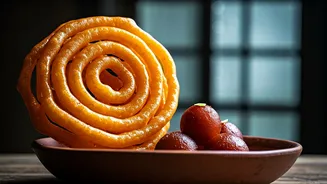
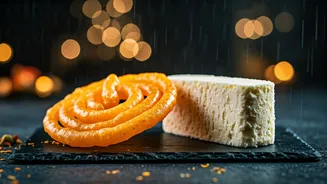
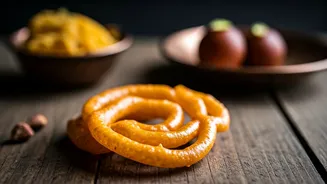
A warm dessert is a feast for all the senses, an experience amplified by the monsoon atmosphere. Moist air helps smells travel more effectively, meaning the aroma of a freshly prepared sweet feels richer and more inviting. [6] The scent of simmering milk for kheer, the fragrance of cardamom and saffron in a halwa, or the sizzle of jalebis being fried can fill a home with an intoxicating sense of comfort. [15] The texture also plays a crucial role—the softness of a steamed *patoleo* or the melt-in-your-mouth quality of *puran poli* offers a sensory delight that transcends mere nourishment. [3, 13, 18] It's this complete sensory engagement that makes a warm dessert the perfect culinary ritual for a rainy day.