







The convenience of 10-minute delivery, once a luxury for metro dwellers, is rapidly becoming a reality in smaller Indian cities. This expansion is not just about more delivery riders; it's a story of sophisticated logistical innovation.
The New Digital Frontier
For years, the
quick commerce battleground was confined to India's major metropolitan areas. Companies like Blinkit, Zepto, and Swiggy Instamart perfected their models in the dense, high-demand environments of cities like Bengaluru, Mumbai, and Delhi. Having saturated these core markets, their next frontier for growth is clear: the hundreds of Tier-2 and Tier-3 cities across the country. This strategic shift is driven by the recognition that a vast, untapped consumer base with rising aspirations and increasing internet penetration resides in these emerging urban centres. These markets represent not just an opportunity for expansion, but the future of retail volume in India.
Cracking the Logistics Code
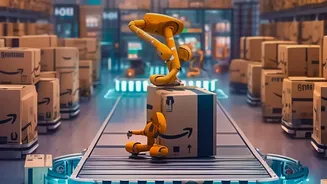
Delivering groceries in minutes requires more than just speed; it demands a complex, tech-driven logistical backbone. The key to this expansion lies in a model of hyperlocal fulfillment. Central to this are 'dark stores' – small, non-public warehouses strategically placed within a few kilometres of residential areas, designed purely for rapid order packing. Companies are deploying hundreds of these micro-fulfilment centres in new cities like Jaipur, Nagpur, Kochi, and Coimbatore. This physical infrastructure is powered by a sophisticated technology stack, including Artificial Intelligence for demand forecasting, which predicts what a neighbourhood will order based on local events, weather, and buying patterns. Real-time inventory management prevents stockouts, while AI-powered route optimisation ensures delivery partners take the fastest possible path.
Tapping into a Rising Demand
The push into smaller cities is a direct response to a significant pull from consumers. Increased smartphone adoption, the ubiquity of UPI payments, and greater exposure to global trends have created a new class of shoppers in non-metro India. These consumers, already familiar with traditional e-commerce, now expect a higher level of convenience. For them, quick commerce offers a solution that is less about impulse buys and more about dependable, timely access to daily essentials. Platforms are finding that while basket sizes may initially be smaller, the operating economics can be more favourable. Lower real estate costs for dark stores and reduced competition for gig workers can create a faster path to profitability compared to the hypercompetitive metros.
The Impact on Local Economies
The arrival of quick commerce has a dual effect on local economies. On one hand, it creates a significant number of jobs, particularly for delivery workers and warehouse staff, and provides a boost to the local logistics sector. It also offers consumers access to a wider variety of products that may not be available locally. On the other hand, it presents a formidable challenge to traditional kirana stores. These small, family run shops, which have long dominated India's retail landscape, struggle to compete with the speed, discounts, and vast inventory offered by well funded platforms. Reports indicate that the rise of quick commerce has contributed to the closure of numerous small stores, forcing a difficult adaptation for a sector that has been the backbone of neighbourhood commerce for generations.
The Road Ahead: Challenges and Opportunities
Despite the momentum, the expansion into Tier -2 and Tier -3 cities is not without hurdles. Building consumer trust around product freshness and payment security is a major challenge in new markets. Order density is naturally lower than in metros, which can strain unit economics. To succeed, companies are realising they must do more than just replicate their metro playbook. This includes expanding beyond groceries into higher -margin categories like electronics, beauty, and personal care effectively becoming an 'everything in minutes' store. Some are also exploring franchise -led models to reduce the cost of network expansion. The long -term success of quick commerce in India's heartland will depend on its ability to adapt its model to local needs and prove its value proposition of not just speed but also reliability and trust.