





The Modern Traveller’s Secret Weapon
Air extraction bags, also known as compression or vacuum bags, are essentially sealable plastic bags designed to remove excess air from soft items, dramatically reducing their volume. For years, they have been a home storage staple for stowing away bulky
winter duvets and seasonal clothing. Now, travel-specific versions have become a game-changer for savvy packers. By forcing out the air trapped between fabric fibres, these bags can shrink a stack of clothes by up to 75 percent, turning a puffy jacket into a dense, slim package that slides easily into your suitcase. They also offer the added benefit of protecting your garments from moisture and dust, an invaluable feature during the damp monsoon season.
How the Magic of Compression Works
There are two primary types of compression bags available for travellers. The first, and most common for home use, requires a vacuum cleaner to suck the air out through a valve. While highly effective, this style is impractical for travel, as you’re unlikely to have a vacuum at your hotel for the return journey. The second, more travel-friendly option, is the roll-up bag. These bags feature a one-way pressure valve at the bottom. After filling the bag with clothes and sealing the top, you simply roll it tightly from the sealed end. The pressure forces the air out through the valve, which then prevents it from re-entering. This manual method requires no extra tools and makes repacking for your flight home a breeze.
Choosing the Right Bag for Your Trip
When selecting compression bags, look for a variety pack with multiple sizes. Small and medium bags are ideal for hand luggage, allowing you to organise different clothing types. Pay attention to the material; a durable, thicker plastic is less likely to puncture or tear. The quality of the seal is also crucial—a double-zipper seal is often more reliable and helps ensure the bag remains airtight throughout your journey. While you might be tempted by the cheapest option, investing in a reputable brand can save you the frustration of a bag that loses its compression mid-trip, leaving you with an overflowing suitcase.
A Step-by-Step Guide to Perfect Packing
Using these bags effectively is simple. First, neatly fold or tightly roll your clothes. While rolling is often recommended to minimise wrinkles, some creasing is inevitable with compression. Arrange the items flat inside the bag, being careful not to overfill it past the indicated 'fill line'. Overstuffing can strain the seal and cause it to fail. Once packed, press the double-zipper seal firmly from one end to the other, running your fingers over it two or three times to ensure it’s completely airtight. Finally, if you're using a roll-up bag, place it on a firm surface and begin rolling it tightly from the zipper end towards the valve end, pushing the air out as you go. You’ll hear the air escaping and see the bag shrink dramatically.
Ideal for the Monsoon Wardrobe
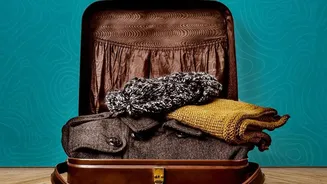
Monsoon travel requires a mix of clothing for changing temperatures. These bags are perfect for compressing bulky but lightweight items that are essential for rainy weather. Think of your light waterproof jacket, a cosy fleece for cool evenings, or a couple of thick cotton kurtas. Synthetic quick-dry fabrics, which are highly recommended for the monsoon, also compress well. However, avoid using them for delicate fabrics like silk or heavily embroidered garments, as the intense pressure can damage the material and embellishments. The goal is to compress items that take up a lot of space, not necessarily heavy ones.
A Weighty Word of Warning
Here is the most important rule of compression packing: smaller does not mean lighter. Air extraction bags reduce volume, not mass. In fact, because they allow you to fit more into your luggage, it becomes incredibly easy to exceed airline weight limits for hand baggage, which are often quite strict. A bag that feels deceptively light can quickly become an expensive problem at the check-in counter. Always weigh your packed suitcase before heading to the airport. The primary benefit of these bags is fitting awkwardly shaped, puffy items into a confined space, not enabling you to pack double the amount of clothes.