





The Global Crude Oil Factor
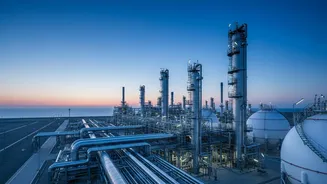
First, let's look at the headline news. A group of major oil-producing countries, known as OPEC+, has agreed to increase output by 188,000 barrels per day starting in September. This decision completes a phased rollback of production cuts made in 2023.
In theory, more supply helps to cool down global crude oil prices, which is the base cost of the fuel we use. However, this is only a modest increase, and it comes at a time when other geopolitical tensions continue to disrupt supply chains, limiting the immediate impact on the market. Furthermore, a separate, larger cut of about 2 million barrels per day remains in effect until the end of 2026.
The Central Government's Slice: Excise Duty
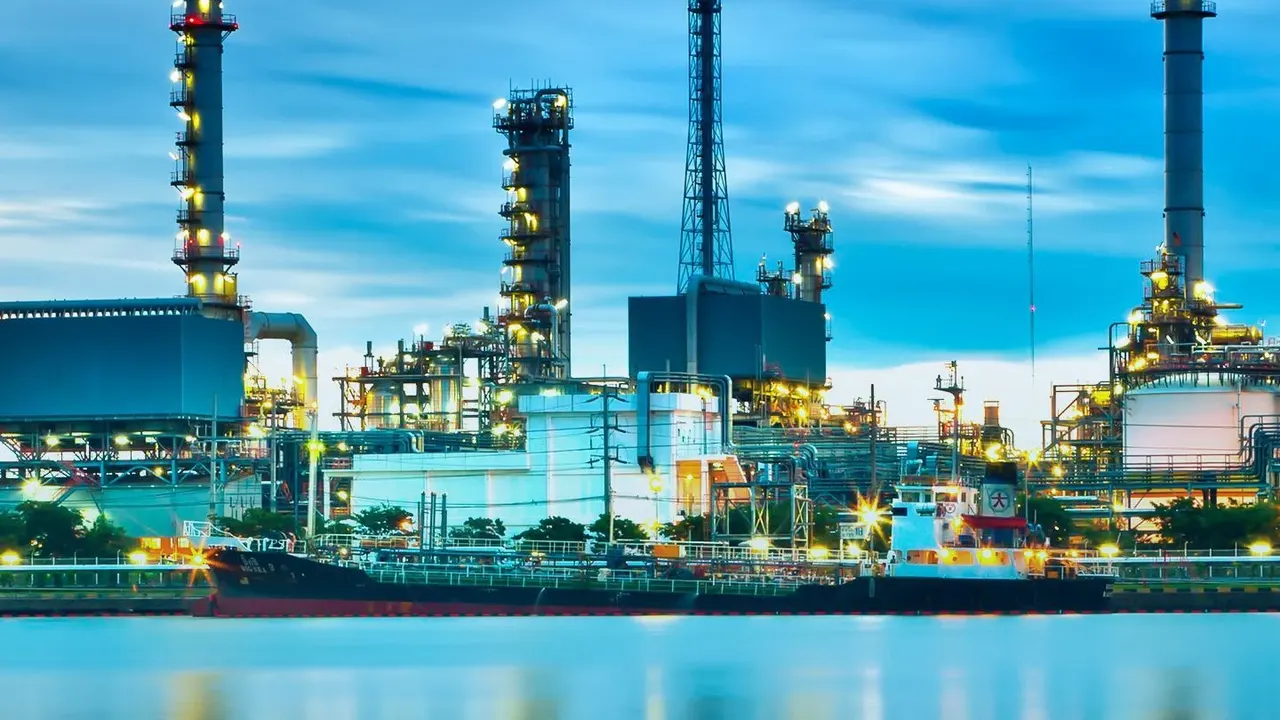
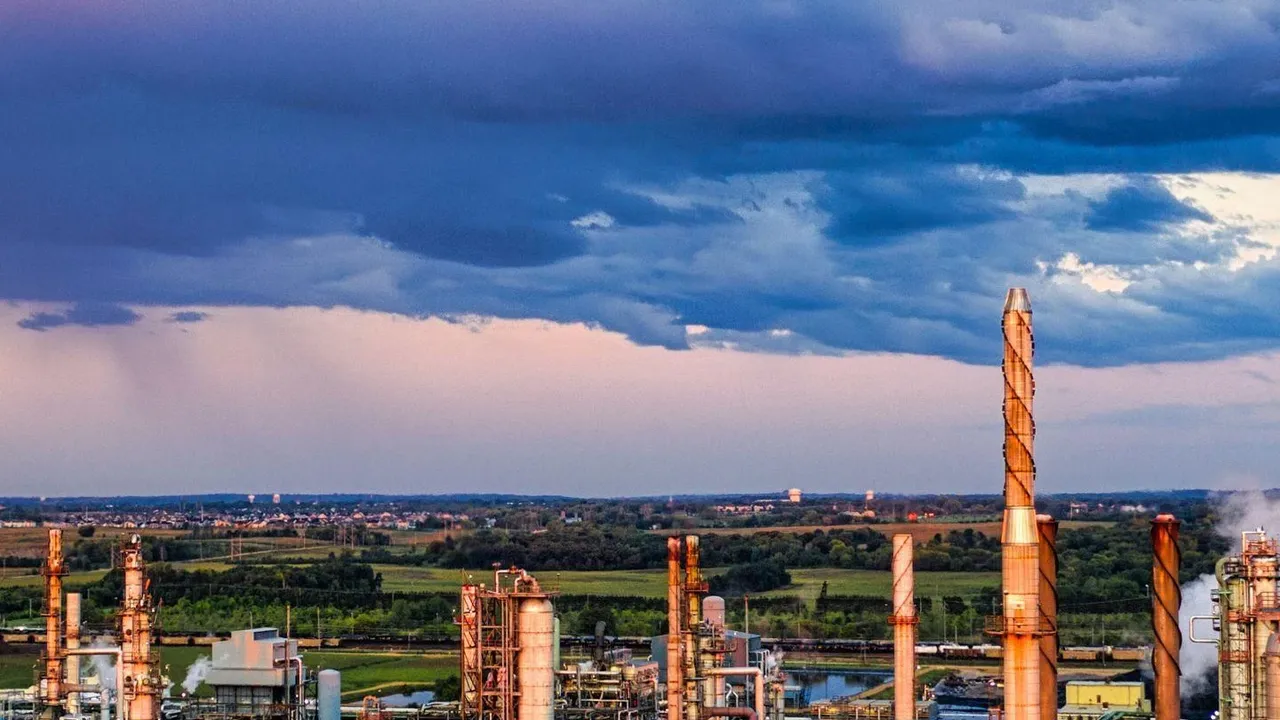
Once crude oil is purchased and refined, the biggest additions to the price come from taxes. The central government levies a fixed charge called excise duty on every litre of petrol and diesel sold in the country. Currently, this central tax is a substantial component of the final retail price. Unlike a percentage-based tax, this amount doesn't decrease even if the base price of crude oil falls. Over the years, the government has adjusted these duties to manage revenues, sometimes increasing them when global oil prices were low to shore up its finances. This fixed duty is a primary reason why a drop in international crude prices doesn't translate into an equivalent drop at the pump.
The State's Share: Value Added Tax (VAT)
After the central government takes its share, state governments add their own tax, known as Value Added Tax (VAT). Unlike the fixed excise duty, VAT is typically an ad valorem tax, meaning it's a percentage of the total price, which includes the base price, freight charges, and the central excise duty. This is why fuel prices vary significantly from one state to another. A state with a higher VAT rate will have more expensive fuel. The central government has pointed out that states have the power to reduce VAT on their own to provide relief to consumers.
The Rupee-Dollar Dance
India imports over 85% of its crude oil requirements, and all of these international transactions are settled in US dollars. This makes the USD-INR exchange rate a critical factor. If the rupee weakens against the dollar, it costs more in rupee terms to buy the same barrel of oil. For example, even if the price of crude oil remains stable in dollar terms, a depreciating rupee will increase the import cost for Indian oil marketing companies, and this higher cost is inevitably passed on to consumers. This currency fluctuation can easily offset any potential benefit from a minor drop in global oil prices.
The Final Mile: Dealer Commission and Freight
The final components of the pump price are smaller but still significant. These include the commission paid to the petrol pump owners for their services and the freight charges for transporting the fuel from refineries to different parts of the country. The price charged to dealers by oil marketing companies includes the cost of refining and transportation. This is why you might see slight price differences even within the same state, depending on how far a particular pump is from the supply depot. While these costs are less volatile than taxes or crude prices, they form the final layer of the price you pay.