









What is Wholesale Inflation and Why Is It Surging?
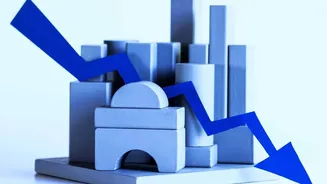
Wholesale inflation, measured by the Wholesale Price Index (WPI), tracks the price of goods sold in bulk by businesses to other businesses, before they reach you, the consumer. Recent government data shows this figure surged to 11.39% in September 2026,
a significant jump from 9.92% in August. This double-digit spike is driven by sharp increases across three major categories: fuel and power, manufactured goods, and food items. The cost of fuel and power rose by a staggering 25.85%, while manufactured products inflation hit a series high of 9.76%. This widespread increase points to cost pressures at the very beginning of the supply chain, from the factory gate to the wholesale market.
Global Pressures and Local Pains
The primary drivers behind this surge are external. Geopolitical tensions in the Middle East have pushed up global crude oil and fertiliser costs. Since India is heavily dependent on imported crude oil, these international price hikes have an immediate and significant impact. These higher energy prices don't just affect fuel costs; they also increase expenses for transportation, irrigation for farms, and the production of essential goods like chemicals, textiles, and plastics. Consequently, the price of raw materials and intermediate goods used by Indian manufacturers is rising, creating a ripple effect across the economy.
The Lag Effect: From Wholesale to Your Wallet
While wholesale inflation doesn't directly hit your monthly budget, it's often a preview of what's to come. Economists refer to a 'lag effect', where rising costs for producers and wholesalers are eventually passed on to retail consumers. A business facing higher costs for raw materials and transport will likely increase the price of the final product to protect its profit margins. This is already beginning to show. Retail inflation, measured by the Consumer Price Index (CPI), climbed to a 23-month high of 5.54% in September. While still within the RBI's tolerance band, the upward trend is a concern, with wholesale prices rising at more than twice the pace of retail prices.
How Metro Households Will Feel the Pinch
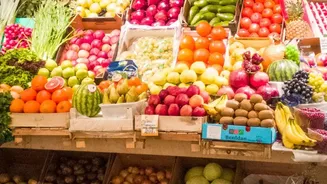
For families in major metropolitan areas, this economic trend translates into a tangible reduction in purchasing power. Your salary may stay the same, but it will buy you less. The most immediate impacts will be felt in essential spending. Food inflation is a significant concern, with the WPI food index rising to 8.66%. At the retail level, prices for essentials like onions have already seen dramatic spikes. Beyond the grocery bill, higher fuel costs mean more expensive transportation, whether you're commuting to work or paying for delivery services. Discretionary spending on items like clothing, home appliances, and travel may also need to be scaled back as budgets tighten to accommodate rising essential costs. With interest rates on loans already high to combat existing inflation, the financial cushion for many urban households is shrinking.