





The New Default: From Theatres to Your Living Room
Not long ago, the journey of a film was predictable: a grand theatrical release followed by a long wait for a television premiere. The pandemic dramatically accelerated a change that was already brewing, turning platforms like Netflix, Amazon Prime Video,
and Disney+ Hotstar into primary destinations for new movies. What began as a temporary measure when cinemas were closed has become a permanent habit for many. This direct-to-digital model offers filmmakers a way to bypass traditional distribution hurdles and reach a national, and even global, audience instantly. For viewers, it has meant an unprecedented explosion of choice available on demand, fundamentally altering viewing habits.
The Convenience versus The Cost
The most significant advantage for viewers is undeniable convenience and cost-effectiveness. A single family outing to a multiplex, including tickets and snacks, can cost upwards of ₹2,000 in major metros. In contrast, an annual subscription to a major streaming service often costs less than that single trip. This simple math makes OTT platforms an attractive proposition for middle-class consumers. However, this convenience comes with its own price. With over 70 OTT platforms operating in India, viewers face 'subscription fatigue'. The cost of multiple subscriptions adds up, and the frustration of content being fragmented across different services is a growing issue, particularly in urban areas where the average user may subscribe to four or more platforms.
A Lifeline for Smaller Cinema?
One of the most celebrated impacts of streaming has been the platform it provides for small and mid-budget films. These movies often struggled to secure screen space and marketing budgets against blockbuster releases. OTT platforms have offered them a lifeline, creating a space for unconventional stories, regional cinema, and experimental filmmaking to find an audience. The boom in regional content, particularly from the South, has been a major pillar of OTT growth, with viewers showing a strong preference for authentic stories in their own languages. However, the initial boom where platforms aggressively acquired all types of films has cooled. Streamers are now more selective, which could once again make it challenging for films without major star power.
The Undisputed Power of the Big Screen
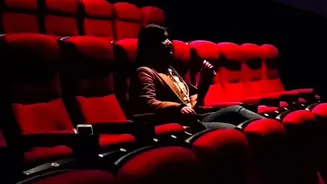
Despite the digital wave, the magic of the theatrical experience persists. The industry has learned that while streaming is great for everyday entertainment, theatres are for events. Large-scale spectacles, action films, and superstar-driven projects thrive on the collective energy of a live audience and the superior technical presentation that a cinema hall offers. Recent box office records show that audiences are still willing to pay for a 'must-watch' big-screen experience. This has led to a market correction, with the industry settling into a hybrid model. The exclusive theatrical window is stabilizing, ensuring cinemas get a fair run before films move to streaming, acknowledging that the two formats can and must coexist.
The Digital Divide and a Hybrid Future
While streaming appears to have democratized access, it's crucial to remember the digital divide. The OTT boom is largely an urban and semi-urban phenomenon, fueled by affordable data and high smartphone penetration. For a significant portion of the Indian population, theatrical viewing remains the most accessible form of community entertainment. The future of film access for Indian viewers isn't a battle of OTT versus theatres, but a story of their coexistence. Viewers have become more selective, reserving theatre visits for major events while relying on streaming for a diverse range of other content. This shift empowers the audience, whose choices—what to watch in a theatre and what to stream at home—will continue to shape the entire entertainment landscape.