








The Real Story: A TCS Cut, Not a Hike
First, let's address the headline. While chatter about a high 20% tax on overseas spending caused alarm in previous years, the situation for travellers has actually improved. The Union Budget 2026 brought a significant and welcome change. Instead of complex
slabs, there is now a much lower, flat 2% TCS on overseas tour packages. This is a sharp reduction from the previous system, which had a 5% rate for packages up to a certain limit and a hefty 20% rate for amounts beyond that. This development, effective from April 1, 2026, means less of your money is blocked upfront, significantly easing the cash flow for your international holidays.
What Exactly is TCS?
It's crucial to understand that TCS is not an additional tax that you lose forever. Think of it as an advance tax, similar to Tax Deducted at Source (TDS) that many salaried individuals are familiar with. The government requires the seller (your tour operator or bank) to collect this amount from you at the time of purchase and deposit it against your Permanent Account Number (PAN). The entire collected amount is credited to you and shows up in your tax documents like Form 26AS. This mechanism helps the government track large overseas expenditures and ensure tax compliance.
How Other Spending is Affected
The new 2% flat rate specifically applies to overseas tour programme packages. For other foreign remittances under the Liberalised Remittance Scheme (LRS), such as sending money for investments, gifts, or family maintenance, the rules are different. As of 2026, there is no TCS on such remittances up to a cumulative total of ₹10 lakh in a financial year. Beyond this ₹10 lakh threshold, a 20% TCS rate applies. Spending on your international credit card while physically overseas currently remains outside the scope of TCS, as a proposed rule to include it has been deferred.
Claiming Your TCS Refund
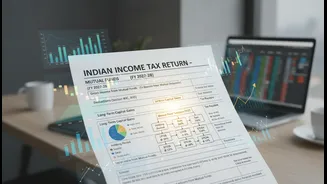
Since TCS is essentially a pre-payment of your taxes, you can easily claim it back. When you file your annual Income Tax Return (ITR), the TCS amount you've paid is adjusted against your total tax liability for the year. For example, if your total tax due is ₹50,000 and you have already paid ₹10,000 as TCS, you will only need to pay the remaining ₹40,000. If the TCS paid is more than your total tax liability, or if you have no tax liability at all, the excess amount will be refunded directly to your bank account after your ITR is processed.
Smart Planning for Smart Travellers
While the new 2% rate on tour packages is a relief, smart planning can still help manage your cash flow. Always provide your correct PAN to the tour operator or bank to ensure the TCS is correctly credited to your name. It's also wise to check your Form 26AS a few weeks after the transaction to confirm the credit has appeared. For expenses other than tour packages, be mindful of the ₹10 lakh annual LRS threshold. If possible, timing large remittances across two financial years (before and after March 31st) can help you stay within the zero-TCS limit for longer.