






As November ushers in cooler, crisper air, our bodies naturally begin to shift. You might feel hungrier or a bit more sluggish. This is your metabolism adapting, and the secret to supporting it lies in nature's own pantry.
Understanding the Autumn Metabolic Shift
As temperatures drop, your body's
internal processes adjust. This is a normal, evolutionary response. Cooler weather can trigger changes in hormones like leptin and ghrelin, which regulate hunger and fullness. This sometimes leads to cravings for denser, higher-calorie foods as your body works harder to maintain its core temperature. Your metabolism might slightly slow down as it enters a more conservative 'storage' mode to prepare for the leaner months, a leftover trait from our ancestors. Rather than fighting this natural rhythm, we can work with it by choosing foods that provide sustained energy and essential nutrients tailored for the season.
Why Eating Seasonal Is Smarter
Choosing seasonal produce isn't just about tradition; it's about peak nutrition. Fruits and vegetables harvested at their natural peak are often more nutrient-dense, flavourful, and affordable. When produce is allowed to ripen fully before being picked, it develops a richer profile of vitamins, minerals, and antioxidants. Eating seasonally also encourages dietary diversity, which is fantastic for gut health. By rotating different types of produce, you feed a wider range of beneficial gut bacteria, supporting digestion and overall metabolic wellness.
Embrace Hearty Root Vegetables
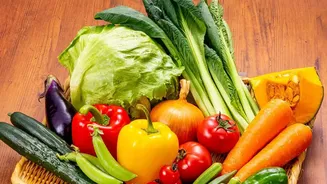
November is the perfect time for root vegetables like sweet potatoes and carrots, which are widely available across India. Sweet potatoes are a nutritional powerhouse, offering complex carbohydrates for steady, slow-release energy. They are packed with fiber, which aids digestion and helps manage blood sugar levels. Both carrots and sweet potatoes are rich in beta-carotene, an antioxidant that the body converts to vitamin A, crucial for immune function and eye health. Roasting them with a bit of spice not only brings out their natural sweetness but also makes for a comforting, metabolically supportive meal.
Go Green with Leafy Powerhouses
Winter greens begin to make their muchstawaited appearance in November. Mustard greens (sarson) and spinach (palak) are at their freshest and most nutrient-rich during this time. These leafy greens are loaded with vitamins A, C, and K, as well as essential minerals like iron and calcium. The antioxidants in greens like sarson help combat cellular stress and reduce inflammation. Their high fiber content promotes satiety, helping you feel full and manage weight, while the rich nutrient profile supports energy production, fighting off the lethargy that can accompany the changing season.
The Underrated Power of Pumpkin
Pumpkin (kaddu) is more than just a festive decoration; it's a metabolic superstar. Incredibly low in calories but high in water and fiber, pumpkin helps you feel full and satisfied, which is excellent for weight management. The fiber content also helps to stabilize blood sugar levels, preventing the energy crashes that can lead to cravings. Furthermore, pumpkin is a fantastic source of potassium, which supports heart health, and beta-'carotene', a powerful antioxidant that gives it its vibrant orange hue.
Amla and Pomegranate: The Antioxidant Duo
As winter approaches, so does the season for colds and flu. Nature provides the perfect defence in the form of amla (Indian gooseberry) and pomegranate (anaar). Amla is one of the most potent natural sources of vitamin C, an essential nutrient for a robust immune system. Pomegranate is packed with powerful antioxidants that help reduce inflammation and protect cells from damage. Both fruits have been shown to support heart health and enhance metabolism. A daily dose of amla juice or a handful of pomegranate seeds can be a delicious way to bolster your body's defences.