



Why Make the Switch to Oats Dosa?
The primary appeal of the oats dosa is its convenience. Unlike its traditional counterpart made from a fermented batter of rice and lentils, the most popular version of oats dosa is instant. This means you can whip up a fresh batch for breakfast without
any overnight planning. Beyond speed, it offers significant health advantages. Oats are packed with soluble fiber, which aids digestion and can help in managing blood sugar levels. This makes it a wholesome and filling option to start your day. Many recipes are also naturally gluten-free, provided you use certified gluten-free oats, catering to various dietary needs. It's a fantastic way to incorporate the well-known benefits of oats into your diet in a form that's more exciting than a simple bowl of porridge.
The Essential Ingredients
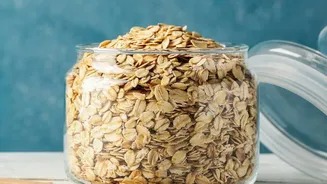
At its core, an instant oats dosa batter is a simple mix. The star is, of course, oats. Rolled oats or quick-cooking oats work well; they are typically ground into a fine powder. To achieve the signature crispiness that makes a dosa so satisfying, two other flours are key: rice flour, which provides structure, and fine semolina (rava or sooji), which lends a crunchy, lacy texture similar to a rava dosa. From there, it's all about flavour. Common additions include finely chopped onions, green chillies, fresh coriander leaves, grated ginger, and whole cumin seeds. A bit of curd or buttermilk can be added for a slight tang, though it's often optional. Salt is essential, and a pinch of black pepper or asafoetida can elevate the taste even further.
Mastering the Batter Consistency
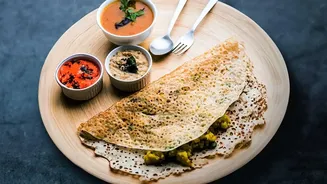
The secret to a perfect, net-like oats dosa lies in the batter. Forget the thick, pancake-like consistency of traditional dosa batter. For an instant oats dosa, you need a very thin, watery batter. The consistency should be similar to that of buttermilk or unstrained juice. After mixing your dry ingredients—oat powder, rice flour, and semolina—with the spices, you'll add water gradually until it's a runny liquid. It's important to whisk well to ensure there are no lumps. Most recipes recommend letting this thin batter rest for about 15 to 20 minutes. This allows the semolina and oats to absorb the water, which is crucial for achieving the right texture. The batter will thicken slightly as it sits, so you may need to add a splash more water right before you start cooking to bring it back to the correct flowing consistency.
How to Cook for Perfect Crispiness
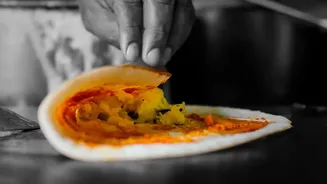
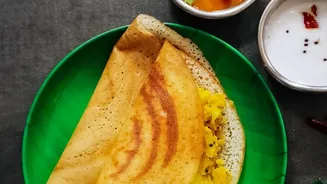
Cooking an oats dosa is different from spreading a regular dosa. First, ensure your pan (a non-stick tawa is recommended) is properly hot over a medium to medium-high flame. A light greasing with oil or ghee is all you need. When the pan is hot, give your batter a good stir, as the solids tend to settle at the bottom. Then, using a ladle, pour the batter from a height of a few inches onto the pan, starting from the outer edge and moving towards the centre in a circular motion. Do not try to spread the batter with the back of the ladle; let it flow and create its own lacy pattern. You will see small holes forming as it cooks. Drizzle a little oil over the top and along the edges. Be patient and let it cook undisturbed for a few minutes until the top looks dry and the edges start to turn golden brown and lift from the pan. This dosa is typically cooked on one side only. Once crisp, gently fold it and serve immediately.
Serving and Variations
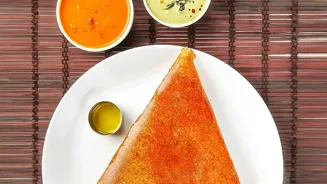
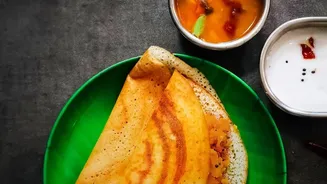
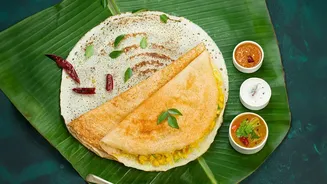
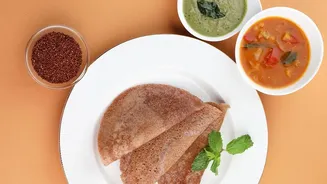
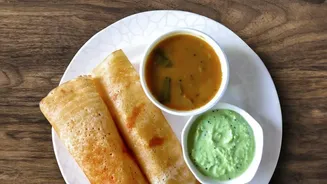
Oats dosa is best served piping hot, straight off the tawa, to be enjoyed at its crispiest. It pairs beautifully with classic South Indian accompaniments. Coconut chutney, tomato chutney, or a flavourful sambar are all excellent choices. For a quick meal, even a simple podi (gunpowder) mixed with ghee or oil works wonderfully. You can also get creative with the batter itself. Add finely grated vegetables like carrots or beetroot for a colourful and even more nutritious version. For those who miss the fermented flavour, some recipes involve soaking and grinding oats with urad dal, similar to a traditional dosa, and allowing it to ferment for a few hours. While this takes more time, it results in a dosa that is both healthy and has a more classic texture.