



The Taste of Summer Holidays
For an entire generation of Indians who grew up in the 90s and early 2000s, Tang is not just a drink; it's a core memory. It’s the flavour of scorching summer afternoons, the reward after playing outside, and the go-to welcome drink for guests. Before
the explosion of sodas and artisanal beverages, Tang, with its distinctive orange and mango flavours, held a special place in our kitchens. It was simple, affordable, and a slight step up from the usual nimbu pani or Rooh Afza. The iconic cylindrical container, the little plastic scoop, and the satisfying swirl of colour as the powder dissolved in water are all potent triggers for nostalgia. This emotional connection is the bedrock of its enduring appeal, a relic from a time when life felt simpler and less cluttered.
From Kitchen Staple to Content Star
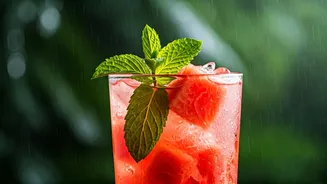
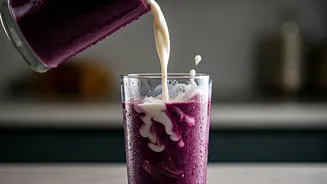
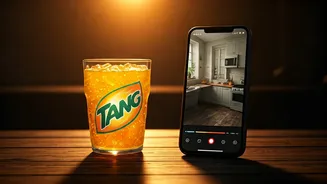
In the digital age, everything is content. Your morning coffee, your skincare routine, your walk to the grocery store—it’s all potential material for an Instagram Reel or a YouTube Short. So, why not a simple glass of Tang? The internet has a unique way of unearthing and re-contextualizing the past. What was once a humble kitchen staple is now being transformed into an aesthetic object. We’re seeing a subtle but growing trend where creators are using Tang not just as a drink, but as a prop in a larger narrative about simplicity, nostalgia, and comfort. A quick scroll through social media might reveal a video of someone making a Tang popsicle, a “90s kids will remember” meme featuring the old packaging, or a beautifully shot clip of the orange liquid being poured into a glass, set to a trending lo-fi beat. It’s no longer just a drink; it’s a vibe.
The Allure of the Simple Meal
This Tang-aissance is part of a broader movement online. For years, food content was dominated by complex, gourmet recipes that were aspirational but often unattainable for the average person. But lately, there has been a significant shift towards authenticity and relatability. Content creators are finding massive audiences by showcasing simple, everyday meals. Think a plate of dal rice, a humble bowl of Maggi, or a comforting cup of chai. This isn't about culinary excellence; it’s about emotional resonance. In a world saturated with hyper-curated perfection, there is a deep craving for something real. A glass of Tang fits perfectly into this narrative. It's unpretentious, instantly recognizable, and evokes a feeling of comfort and familiarity that a fancy, multi-ingredient smoothie simply cannot.
Why Tang Works for the Algorithm
If you were to design a product for social media success in 2024, it might look a lot like Tang. First, it’s incredibly visual. The vibrant orange colour pops on screen, making for an eye-catching video or photo. The act of making it—the powder, the water, the swirl—provides a simple, satisfying process that is perfect for short-form video. Second, it has a low barrier to entry. Anyone can make a glass of Tang, which makes the trend highly replicable. Users can easily join in, creating their own versions and sharing their own memories. Finally, and most importantly, it taps into a powerful, pre-existing emotional well. The nostalgia factor does the heavy lifting, instantly creating a connection with millions of viewers who share that same cultural memory. It’s colourful, simple, and emotional—a trifecta for digital engagement.